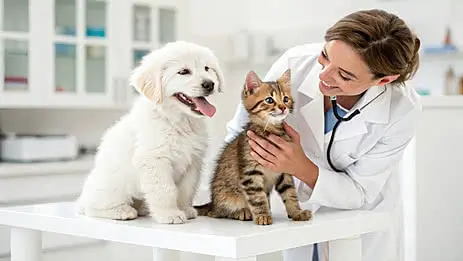
You might be feeling pulled in every direction right now. Work, family, errands, a phone that never seems to stop buzzing, and in the middle of it all, a pet who depends on you for everything. You love them, but between last-minute meetings and late pick-ups, even scheduling a simple vet visit at an animal hospital in Guelph can feel like one more thing you are failing at.end
Maybe you have caught yourself thinking, “They are due for vaccines, but I will call next week.” Then next week turns into next month. Or your dog has been licking a paw for days, your cat has lost a little weight, and you keep wondering if it is serious, but you are too tired to spend hours searching online and second-guessing every symptom.
The truth is, you are not a bad pet parent. You are a busy one. And this is exactly where a general veterinarian can quietly become one of your strongest allies. A good family vet does far more than give shots once a year. They help you manage your pet’s health in a way that fits a crowded, real-life schedule, so you can stop feeling guilty and start feeling supported.
In simple terms, here is what you can expect. A general vet can help you plan ahead so care is not always an emergency. They can spot problems early so you avoid big crises and big bills. They can guide you on food, behavior, and safety at home so you are not guessing. They can be your first call for weird symptoms, your coach when life gets hectic, and your pet’s steady medical home across the years.
So, where does that leave you when your time and energy are already stretched thin?
Why busy pet owners feel overwhelmed by veterinary care
The pressure usually starts quietly. Your dog’s annual visit is coming up, you get the reminder email, you mean to call, then your week explodes. By the time you look again, you are months overdue. That nagging feeling sits in the back of your mind. You care, but there are only so many hours in a day.
On top of that, pet care advice online can be confusing. One source says wait and watch. Another says rush to the emergency clinic. You might worry about the cost of being “over cautious,” yet you also fear missing something serious. This tug of war between time, money, and worry is exhausting.
Here is the hard part. When things get pushed off, small issues can quietly grow. Dental tartar turns into painful tooth infections. A little stiffness turns into advanced arthritis. Mild weight gain becomes obesity, which can shorten a pet’s life. By the time the problem is obvious, you may be facing more visits, more medication, and a bigger bill than if it had been handled earlier.
Because of this tension, you might wonder how regular care with a family veterinarian actually helps when you are already so busy.
A strong relationship with a general vet changes the whole rhythm of pet care. Instead of reacting to every new worry, you have a plan. Instead of repeating your pet’s history to a different doctor each time, you have one team that knows your animal from puppy or kittenhood through their senior years. That history matters. It allows your vet to notice subtle changes and advise you quickly, often by phone or a short visit, before things snowball.
6 specific ways a general vet supports your busy life
So what does that support look like day to day? Here are six concrete ways that a general veterinarian service can make life easier for a busy pet owner.
1. Preventive care that actually fits your calendar
General vets focus heavily on prevention, because preventing disease is usually simpler, cheaper, and less stressful than treating it later. During routine checkups, they do more than give vaccines. They check weight, teeth, skin, joints, heart, and behavior. They talk with you about daily routines and what has changed.
Many clinics now offer reminder systems by text or email, wellness plans that bundle vaccines and visits into predictable monthly payments, and scheduling options that respect your time. Paired with trusted resources such as the American Veterinary Medical Association’s pet care guides, this kind of planning helps you stay ahead without constant mental load.
2. Early detection that saves you time, worry, and money
Busy owners often miss small changes. Maybe your cat is drinking a bit more water, or your dog’s energy is just slightly off. A general vet is trained to notice patterns across visits. Mild changes in weight, lab work, or behavior can point to early kidney disease, diabetes, thyroid problems, or joint pain.
Catching these early usually means shorter visits, fewer emergency trips, and treatment that can be managed around your schedule. It also means less emotional turmoil. You are not blindsided by a crisis that might have been preventable.
3. Clear guidance on everyday hazards at home
When you are busy, it is easy to overlook small risks around the house. A bag of sugar-free gum on the table. Lilies on the counter. A pill dropped on the floor. A general vet can walk you through common household dangers and simple steps to make your home safer for your pet.
You can also lean on trusted education from sources like the AVMA’s list of household hazards for pets. Instead of spending late nights searching random forums, you have clear, reliable information and a vet who can answer follow-up questions tailored to your specific home.
4. A medical home for everything from itchy skin to big surgeries
Life does not pause for your pet’s health quirks. Maybe your dog’s skin flares every spring, or your cat gets urinary issues when stressed. Running to different clinics each time can mean repeating tests and stories. A general vet becomes your pet’s medical home. They keep records, track what worked in the past, and coordinate any needed referrals.
Even when your pet needs advanced care, such as surgery or specialist treatment, your general vet is usually the one who catches the problem, guides your choices, and helps manage recovery in a way that fits your daily routine.
5. Support during emergencies and serious illness
When something truly scary happens, like sudden collapse, severe vomiting, or trauma, you do not want to be starting from scratch with a stranger. A long-term relationship with a general vet means there is already trust and history. They can quickly review your pet’s background and help triage whether you need an emergency hospital right now or if a same-day appointment is enough.
Some general practices are also connected with programs that quietly save lives, like organized pet blood donor networks. For example, Cornell University’s veterinary hospital runs a structured blood donor program for dogs and cats, which supports emergency transfusions. Your general vet can point you toward similar resources in your area if your pet ever needs that level of care.
6. Practical coaching for food, behavior, and daily life
Feeding, training, and exercising a pet can feel like one more job. There are endless brands of food, treats, and gadgets. A general vet helps you cut through the noise. They can recommend nutrition based on age, breed, and health status. They can coach you on weight control that fits your schedule, not an ideal world where you have hours to spare.
Behavior issues like barking, scratching, anxiety, or house soiling are also part of their support. Instead of feeling embarrassed or frustrated, you can talk openly and get a step-by-step plan. That kind of coaching can turn daily friction into a calmer, steadier home life for both you and your pet.
Comparing “DIY” pet care with partnered care from a general vet
It can help to see the difference between trying to manage everything on your own and working steadily with a general vet over time.
| Approach | Short-term experience | Long-term impact | Typical stress level for busy owners |
|---|---|---|---|
| “DIY” care with rare vet visits | Fewer appointments at first. Lots of online searching and guesswork when problems arise. | Higher risk of missed early disease, more emergency visits, bigger surprise bills. | High. Constant worry about whether you are doing enough or missing something. |
| Partnered care with a general veterinarian | Planned checkups and vaccines. Quick advice for new issues. Clear guidance on what matters now. | Earlier detection of problems, smoother aging, more predictable costs and treatment plans. | Lower. You have a trusted guide and do not carry every decision alone. |
Three simple steps you can take right now
1. Make one preventive appointment and bring a short list
Instead of trying to fix everything at once, start with a single routine checkup. Write down the top three things that worry you. Maybe it is weight, bad breath, or changes in drinking or energy. Bring that list to your general vet and be honest about your schedule and budget. A good vet will help you prioritize what truly matters this month and what can wait.
2. Set up reminders and lean on trusted resources
Ask the clinic to enroll you in their reminder system for vaccines, heartworm prevention, flea and tick control, and annual labs. Then bookmark a small set of reliable sites for questions between visits, such as the AVMA’s core pet owner care information. This reduces late-night searching and gives you a quick way to check basic concerns before you call.
3. Talk with your vet about an “emergency plan”
During your next visit, ask your general veterinarian what to watch for that means “call us today” versus “go straight to an emergency clinic.” Clarify where to go after hours and which symptoms are true red flags. Having this plan written down, maybe on your fridge or in your phone, can save precious minutes and emotional turmoil when something unexpected happens.
Finding steady support for you and your pet
Caring for a pet while juggling a busy life is not about perfection. It is about support. A strong relationship with a general veterinarian gives you a partner who understands your pet’s medical needs and your human limits. Instead of carrying the weight alone, you have someone to share the decisions, spot problems early, and guide you through the hard days and the ordinary ones.
You are already doing a lot simply by worrying about your pet and seeking better answers. The next step is small and very doable. Reach out to a trusted general vet, schedule that checkup, and start building the kind of steady, long-term care that makes life easier for both of you.