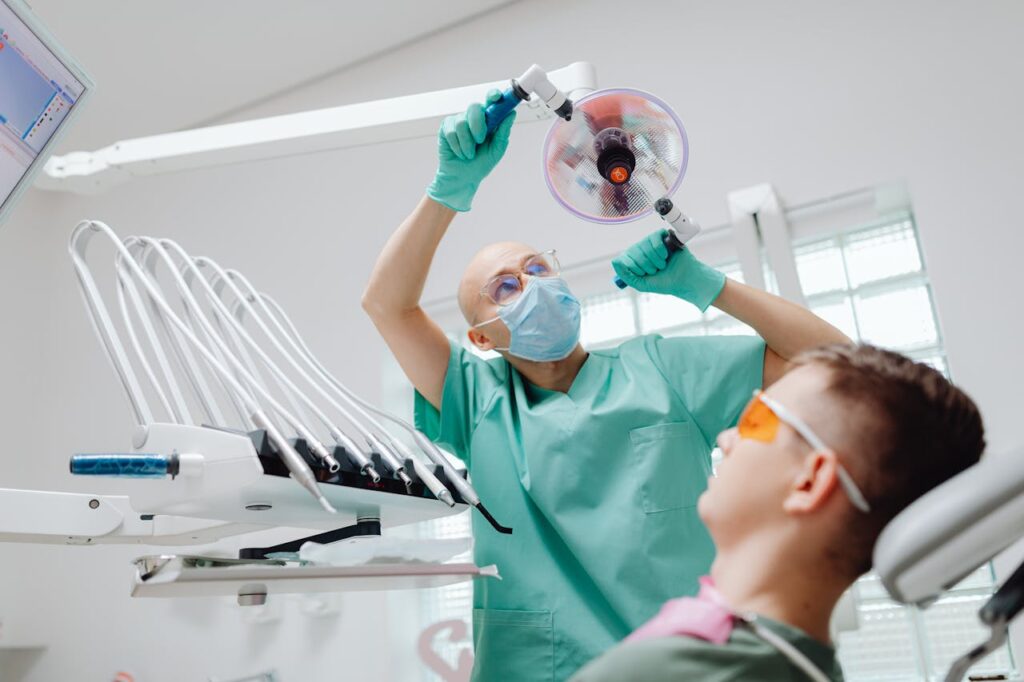
You might be looking at your child’s teeth and thinking, “We brush, we try to floss, we get busy, and sometimes things slip.” Then you remember your own childhood fillings, maybe a root canal as an adult, and you wonder if your kids are headed for the same problems. A visit to a Rancho San Diego dentist can help you change that trajectory. It can feel like dental issues just run in the family, almost like a curse you cannot break.end
Because of that, you may feel a mix of guilt and worry. You want your family healthy, yet dental visits can be stressful, expensive, and easy to postpone. So you push it to “next month” and hope for the best. At the same time, something in you knows that small choices now can shape your children’s health for years.
Here is the heart of it. Preventive dentistry is not only about preventing one cavity. It is about lowering generational health risks, since oral health and overall health are connected. Good habits, regular care, and support from a trusted family dentist can change the story for your children and even your grandchildren. You are not stuck with your family’s dental history. You can write a different one.
How do dental problems really affect your family over time?
It often starts quietly. A bit of plaque builds up. A child resists brushing at night. You miss a checkup because life is busy. Nothing seems urgent, so you carry on. Then, years later, you see patterns. Multiple fillings in your teens. Gum issues in your 30s. Maybe missing teeth or expensive implants in your 40s or 50s.
So where does that leave your children? If they copy what they see, skip regular care, and only go to the dentist when something hurts, they are likely to repeat the same cycle. That is the emotional burden. It is not just about money or discomfort. It is the fear that your kids will suffer preventable pain because no one showed them a different way.
There is also a deeper health side that often gets missed. Poor oral health is linked to heart disease, diabetes control, and pregnancy complications. The Centers for Disease Control and Prevention explains how basic preventive steps like brushing with fluoride, flossing, and regular dental visits reduce tooth decay and gum disease, which then supports better overall health. You can see more about this in the CDC’s guidance on oral health prevention.
Financially, it adds up in a harsh way. Skipping a low-cost cleaning today can turn into a high-cost root canal or extraction later. One emergency often leads to another, and soon dental care feels like a constant drain instead of an investment. That is how dental problems become a generational pattern. Parents struggle, children learn to fear the dentist, and everyone pays more than they needed to, both in money and in stress.
What makes preventive dentistry so powerful for breaking family patterns?
Think of preventive dental care for families as a quiet shield that protects your household year after year. It does not feel dramatic. It is regular checkups, cleanings, sealants, fluoride, and daily brushing and flossing. Yet together, these simple habits can cut the risk of cavities, gum disease, and tooth loss in a big way.
Researchers have found that children who grow up with consistent oral care routines are far less likely to develop severe tooth decay. They also tend to keep more of their natural teeth as adults. The National Institutes of Health notes that oral conditions often track across a lifetime and that early prevention can change that path. You can read more in this overview of oral health across the life course.
A family dentist plays an important guiding role here. Instead of seeing a dentist only when there is a problem, you build a relationship with someone who knows your family history, your children’s habits, and your personal worries. That dentist can spot small issues before they grow, explain how your overall health and your mouth are connected, and help your kids feel safe in the chair instead of afraid.
There is also the power of modeling. When your children see you brush and floss, keep appointments, and ask questions, they learn that caring for their mouth is simply part of caring for themselves. That is how preventive dentistry for long term health becomes a family value instead of a chore. It turns into something you pass down, just like family recipes or stories.
Is doing it yourself enough, or do you really need a family dentist?
You might wonder if good home care alone can protect your family or if professional support is truly needed. Both matter. They work together.
Here is a simple comparison to help you see the difference between home care alone and working with a family dentist focused on prevention.
| Approach | What It Looks Like | Short Term Impact | Long Term Generational Impact |
|---|---|---|---|
| Home care only | Brushing twice a day, occasional flossing, no regular checkups, dental visits only when there is pain. | Some plaque and tartar remain. Cavities may grow silently. Problems surface as emergencies. | Higher risk of repeated fillings, extractions, and gum disease. Children copy inconsistent habits and repeat the cycle. |
| Home care plus regular family dentist visits | Daily brushing and flossing, professional cleanings, exams every 6 to 12 months, sealants and fluoride for children, early treatment of small issues. | Less plaque and tartar. Cavities caught early. Fewer emergencies and less pain. | Lower risk of tooth loss and advanced gum disease. Kids grow up seeing dental care as normal, which reduces generational health risks. |
| Home care, family dentist, and education | Everything above, plus age-appropriate coaching, nutrition guidance, and support for anxious or special needs family members. | Better cooperation from kids, fewer missed appointments, improved oral hygiene habits at home. | Stronger family routines, better overall health outcomes, and lasting protection for future generations. |
Good home care is your daily foundation. Yet professional care reaches what your toothbrush cannot. A dentist can remove hardened tartar, spot early gum inflammation, and apply treatments like sealants that are not possible at home. The National Institute of Dental and Craniofacial Research explains simple habits and professional care steps in its guide on oral hygiene, and these habits become even more powerful when a whole family follows them together.
What can you do this week to protect your family’s future health?
You do not have to fix everything at once. Small, steady steps make the biggest difference, especially when you think about years and generations, not just days.
1. Reset your family’s daily routine
Start with what happens in your home. Choose set times to brush, usually morning and night, and treat it like any other non-negotiable routine. Use soft toothbrushes and fluoride toothpaste. Help younger children brush until they can do it well on their own, usually around age 7 or 8.
Make flossing part of the routine at least once a day for adults and older kids. For little ones, use floss picks if that makes it easier. The goal is not perfection overnight. The goal is consistency that your children will remember and carry into their own adult lives.
2. Schedule preventive visits before there is a problem
If it has been more than a year since your last cleaning or checkup, choose a family dentist and book appointments for everyone. Try to put these visits on the calendar twice a year. If that feels like too much right now, start with once a year and build from there.
At the visit, ask about your family’s specific risks. For example, does anyone have early signs of gum disease, weak enamel, or dry mouth from medications. Ask how often each family member should be seen, and whether treatments like sealants or fluoride could help your children. This turns a simple visit into a plan.
3. Talk openly with your kids about dental fears and family history
If you had painful experiences at the dentist as a child, your kids may sense your anxiety. It helps to be honest without scaring them. You might say, “When I was your age, I did not go to the dentist very often, so I had some big problems. We are doing it differently for you, so your visits can be quicker and more comfortable.”
Encourage questions. Let your children know the dentist is part of their health team, not someone to fear. When they grow up understanding that preventive dentistry is normal and protective, they are more likely to pass that belief to their own children.
How do you move forward from worry to confidence?
You may still feel a bit of guilt about the past or worry about the cost of regular care. That is understandable. Many parents carry those feelings quietly. Yet every small preventive step you take now is a gift to your family’s future. You are not just preventing a cavity. You are lowering the risk of serious health problems, easing financial strain over time, and teaching your children that they are worth caring for.
You do not need to be perfect. You simply need to be consistent. Strengthen your home routine, connect with a trusted family dentist, and keep the conversation open with your children. Over time, you will see the difference in fewer emergencies, calmer visits, and healthier smiles. That is how you protect your family from generational health risks, one ordinary day at a time.