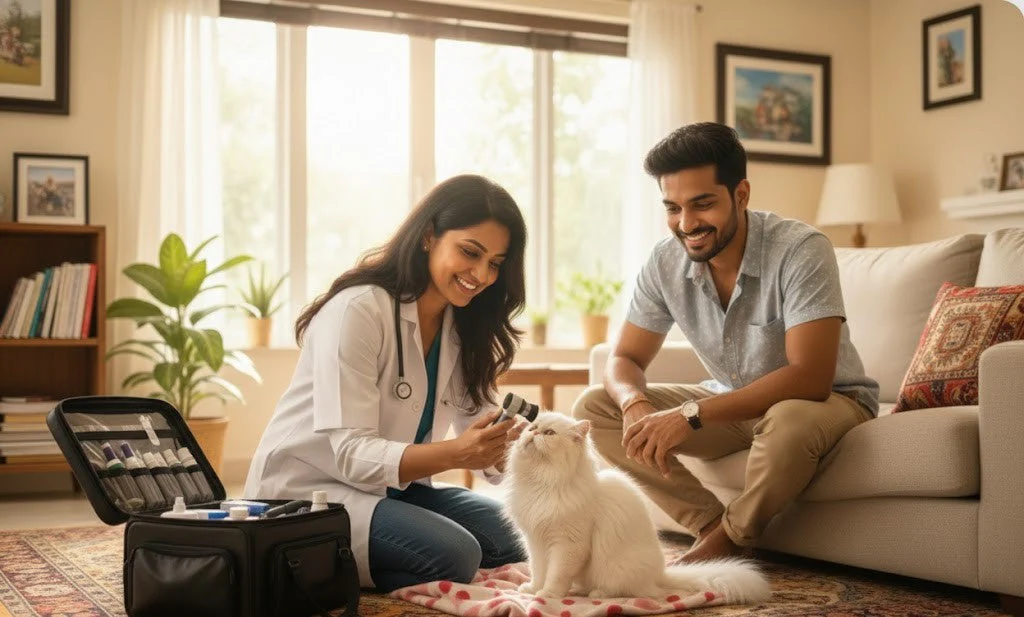
You might be feeling a mix of worry and doubt every time you walk into a vet clinic, especially if it’s not a North West San Antonio veterinary clinic. You love your pet like family, you are trying to make the right choices, yet you are not always sure if you are being heard, or if you can fully trust the advice you are given. Maybe you have left an appointment still confused about a diagnosis, or you felt rushed when you wanted to ask more questions. That uneasy feeling tends to stay with you long after you get home.end
- Why does going to the vet feel so stressful for families?
- What gets in the way of trust with a general veterinarian?
- How do general veterinarians actually build trust with families?
- Comparing experiences with a trusted vet vs a poor fit
- What can you do right now to build more trust with your vet?
- Finding steady, honest care for your pet and your family
At the same time, you probably know you need a steady, long term partner in your pet’s care. Someone who understands your animal, your budget, and your limits, and who talks to you in a way that calms things down instead of making them more stressful. That is what real trust with a general veterinarian looks like. In simple terms, it comes from clear communication, consistent care, and shared decisions about your pet’s health.
This is about how general veterinarians earn that trust with you and your family, what can get in the way, and what you can do to find and build a relationship that actually feels safe and honest.
Why does going to the vet feel so stressful for families?
Think about the last time your pet was sick. Maybe your dog stopped eating, your cat hid under the bed, or your older pet suddenly could not get up the stairs. You likely went online, saw a dozen possible illnesses, and by the time you called a clinic, your mind was racing.
Then you arrive at the vet. Your pet is anxious. You are anxious. Money is on your mind as you wonder what this visit will cost. The veterinarian uses medical terms you are not used to, and you are trying to remember it all while also keeping your pet calm. It is a lot for anyone.
Because of this tension, you might wonder if your general veterinarian really understands your situation. Do they see you as a partner in your pet’s care, or just as the next appointment on the schedule. This is where trust either builds or breaks.
What gets in the way of trust with a general veterinarian?
Several common issues tend to erode trust, even when everyone has good intentions.
1. Medical language that feels confusing
Veterinary medicine has its own vocabulary, and when you are already worried, terms like “renal insufficiency” or “idiopathic condition” can feel overwhelming. If your veterinarian does not slow down, check your understanding, and translate medical language into everyday words, you can walk out feeling lost. The American Veterinary Medical Association even emphasizes that using the right language with clients improves care and understanding. You can see more about that in their guidance on communicating with clients using clear language.
2. Money pressure and surprise costs
Even when you are ready to spend money on your pet, you still need to plan. When estimates are vague or costs are not explained before tests are done, you can feel blindsided. That kind of surprise is a fast way to lose trust, even if the medical care is good.
3. Feeling rushed or dismissed
If you sense that your vet is in a hurry, or that your questions are brushed aside, it can feel like your worries do not matter. You might start to hold back important information or skip appointments, which only makes things harder in the long run.
4. Inconsistent information
You might see different veterinarians in the same clinic, and if they give different opinions without explaining why, it can leave you unsure who to believe. Consistency, or at least clear reasoning, is a big part of trust.
So where does that leave you when you simply want someone you can rely on for your pet’s care.
How do general veterinarians actually build trust with families?
Real trust with a family veterinarian is not about perfect outcomes. It is about honest communication, shared decisions, and reliable follow up. Here are a few ways strong general veterinarians work to earn that trust.
They listen first, then talk
A trustworthy vet lets you describe what you have seen at home, asks follow up questions, and repeats key details back to you. This shows you that they heard you. Only then do they move into explaining what they think might be going on.
They use plain, human language
Instead of only giving a technical diagnosis, they say what it means in real life. For example, not just “arthritis,” but “this is joint pain that can make stairs and jumping into the car hard for your dog.” They explain treatment options in terms of comfort, time, and cost, not only in medical terms.
They are transparent about options and money
A trustworthy general veterinary service does not assume you will always choose the most advanced or expensive option. They walk you through different levels of care. For example, “gold standard” care, a middle option, and a basic comfort-focused approach. They give you estimates before you decide, and they respect your choice.
They use technology to stay connected, not to avoid you
Many clinics now use telehealth or virtual check ins to support you between visits. The American Animal Hospital Association and AVMA have clear telehealth guidelines for veterinary practices, and good clinics use these tools to answer quick questions, review progress after surgery, or decide if an in person visit is needed. When used well, this can deepen trust, because you feel your vet is there for you, not only when you are in the building.
They admit uncertainty and share decisions
Animals cannot tell us exactly what they feel. Sometimes the diagnosis is not clear yet. A strong veterinarian will say “Here is what we know, here is what we are not sure about yet, and here are the paths we can take.” That kind of honesty builds more trust than pretending to have instant answers every time.
Comparing experiences with a trusted vet vs a poor fit
It can help to see the difference between a healthy relationship with a general veterinarian and one that may not be serving you or your pet well. Use this as a quiet check in with your own experience.
| Aspect of Care | Trusted General Veterinarian | Poor Fit or Low Trust Experience |
|---|---|---|
| Communication style | Uses everyday language, checks your understanding, invites questions | Speaks mostly in medical terms, moves on quickly, little room for questions |
| Discussion of costs | Explains options and estimates before tests or treatment, respects your budget | Recommends many tests without clear explanation, costs feel like a surprise |
| Decision making | Describes choices, risks, and benefits, then asks what matters most to you | Tells you what “must” be done, little discussion of alternatives |
| Follow up | Plans rechecks, calls or messages to see how your pet is doing | Little or no follow up unless you reach out again |
| Emotional tone | Calm, respectful, acknowledges your worry and your bond with your pet | Impatient or dismissive, focuses only on medical facts |
If your current experience feels closer to the right column, it may be time to ask for changes or to consider another clinic that aligns better with how you want your family and pet to be treated.
What can you do right now to build more trust with your vet?
You are not powerless in this relationship. There are clear steps you can take to shape a more trusting partnership with your veterinarian.
1. Prepare for each visit with a simple “care sheet”
Before your appointment, write down a short list with three parts. First, your main concern in one sentence. Second, a list of changes you have noticed, such as eating, drinking, bathroom habits, energy, or behavior. Third, your limits and worries, such as time, money, or giving medication. Bring this sheet and hand it to the vet at the start. It helps them focus on what matters most to you and reduces the chance that you forget to mention something important.
2. Ask for plain language and summaries
During the visit, if something is unclear, use simple requests like “Can you say that in everyday words” or “If I had to explain this to my partner at home, how would you suggest I say it.” At the end of the visit, ask “Can you summarize the plan for me” and write it down. This makes you an active partner and signals to your vet that clarity matters to you.
3. Talk openly about cost and options
It can feel uncomfortable to talk about money, but it is part of good care. You might say “I want to do what is best, but I do need to stay around this budget. Can you walk me through the most important tests or treatments first.” A trustworthy pet care veterinarian will respect this and help you prioritize. If you ever feel pushed into something without understanding, it is reasonable to pause and say “I need a moment to think about this” or “Can we talk about any other options.”
Finding steady, honest care for your pet and your family
Trust with a general veterinarian is built over time, through many small moments of listening, explaining, and showing up for your pet and for you. It is not about never having bad news or hard choices. It is about feeling that you are not facing those moments alone, and that your vet is walking beside you, not talking down to you.
You are allowed to expect clear language, honest options, and respect for your limits. You are allowed to ask questions until you understand. You are allowed to choose a clinic that treats your pet as family and treats you as a partner in care.
Your next step can be simple. At your next appointment, bring your questions, ask for a clear plan, and notice how your veterinarian responds. Those small actions can be the start of a safer and more trusting relationship for you and your pet.