You might be staring at your smile in photos and thinking, “It’s not terrible, but something feels a little off.” Maybe one front tooth looks longer than the other, or a corner chip catches your eye every time you brush. You are not imagining it. A skilled dentist in Century City can help. Tiny details in tooth shape can change how your entire smile feels to you.end
- Why do tiny imperfections in tooth shape feel so big to you?
- What exactly is cosmetic tooth contouring and how does it work?
- What are the real pros, cons, and tradeoffs of tooth contouring?
- What should you do if you think contouring might be right for you?
- Moving toward a smile that finally feels like you
At the same time, you may not want braces, veneers, or anything that feels too dramatic. You just want your teeth to look a bit smoother, a bit more even, without a huge treatment plan or a painful recovery. Because of this tension, you might wonder if there is a gentle middle ground.
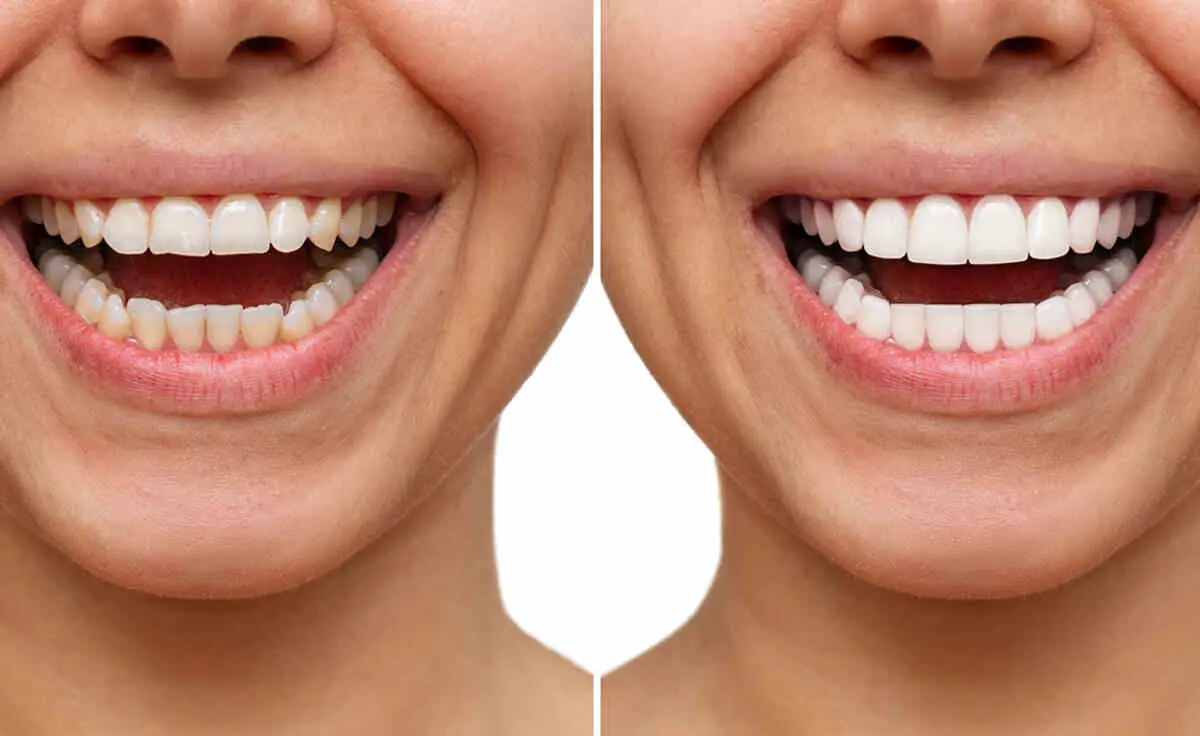
That is where cosmetic tooth contouring comes in. It is a conservative procedure where a dentist reshapes the outer enamel of your teeth to soften sharp edges, even out small length differences, and create a more balanced smile. In many cases it is quick, it is usually painless, and the change can be surprisingly powerful for such a small adjustment.
So the short version is this. If you are bothered by little imperfections in the edges or shape of your teeth, cosmetic tooth reshaping may offer a simple, low‑stress way to refine your smile without major dental work.
Why do tiny imperfections in tooth shape feel so big to you?
It often starts with something minor. A chipped edge after biting on a fork. A canine that looks a bit too pointy. A tooth that twists just enough to catch the light differently. Other people might not see it, but you do, and once you see it, you cannot unsee it.
Over time you may start to smile with your lips closed in photos, or you tilt your head a certain way to hide that one tooth. You might feel a little self‑conscious at work events or dates, even though you know it is “just a small thing.” The emotional weight can feel much bigger than the physical issue.
On top of that, you might be worried about the cost or commitment of cosmetic dentistry. When you hear about veneers, crowns, or orthodontics, you may picture long treatment plans, frequent visits, and high fees. You may also be nervous about removing healthy tooth structure or making a permanent change that you might regret.
So where does that leave you if you want a nicer smile but do not want major dental work?
What exactly is cosmetic tooth contouring and how does it work?
Cosmetic tooth contouring, sometimes called enamel reshaping or tooth recontouring, is a treatment where a dentist gently polishes and reshapes the outer enamel of a tooth. The goal is not to change the entire tooth. The goal is to fine‑tune the edges and surfaces that show when you smile.
Here is what usually happens during tooth reshaping in a cosmetic setting.
The dentist examines your teeth, often with X‑rays, to make sure there is enough healthy enamel and that the changes will not affect the bite or tooth strength. They may mark areas to adjust with a pencil or use a clear guide to visualize the final shape. Then they use fine instruments to smooth, shorten, or slightly reshape the enamel. It is more like careful sculpting than drilling. In most cases you do not need numbing because the dentist stays in the outer enamel layer, which has no nerves. Finally they polish the teeth so they feel smooth and natural.
The procedure is often combined with cosmetic bonding, where tooth‑colored material is added to build up chipped or worn areas. Together, contouring and bonding can straighten a jagged smile line, soften sharp corners, and create a more even look without aggressive treatment. You can read more about these and other cosmetic options through resources like this overview of cosmetic dentistry services from a university clinic.
Because the changes are subtle, contouring is best for people with minor cosmetic concerns. If teeth are very crooked, heavily worn, or structurally weak, your dentist may recommend orthodontics or restorative work instead.
What are the real pros, cons, and tradeoffs of tooth contouring?
Any time you change your teeth, even a little, it is worth pausing to think about both the benefits and the limits. You want beauty, but you also want long‑term health.
On the positive side, cosmetic tooth contouring is usually quick, conservative, and relatively affordable compared with many other cosmetic treatments. There is no lab fee. There is often no anesthetic. Many people walk out the same day with a smile that simply looks “more like them,” just a bit more refined.
The tradeoff is that enamel removal is permanent. Once a small amount is smoothed away, it does not grow back. A skilled cosmetic dentist will stay within safe limits, but you still need to be sure the teeth are strong enough for any adjustment. If too much enamel is removed, teeth can become sensitive or more prone to chipping. This is why proper evaluation is so important and why DIY attempts with nail files or drugstore tools are risky.
So how does this compare to other cosmetic choices you might be considering?
| Treatment | Best For | How It Works | Time & Cost Range* | Key Considerations |
|---|---|---|---|---|
| Cosmetic tooth contouring | Minor chips, uneven edges, slightly long or pointy teeth | Gently removes small amounts of enamel to refine shape | Often 1 visit, usually lower cost than veneers or braces | Permanent enamel change, relies heavily on dentist’s skill |
| Bonding | Chips, gaps, shape changes where material needs to be added | Tooth‑colored resin is bonded to the tooth and shaped | 1 visit, moderate cost per tooth | Material can stain or wear, may need touch‑ups over time |
| Veneers | Multiple cosmetic concerns, color and shape changes | Thin shells cover the front of teeth | Multiple visits, higher cost per tooth | More enamel removal, long‑term commitment |
| Orthodontics | Crowding, spacing, bite problems | Braces or aligners move teeth into new positions | Months to years, overall higher investment | Changes position, not shape, but can transform the smile |
*Actual time and cost depend on your location, dentist, and specific needs.
For some people, a small contouring procedure is the final polish after orthodontic treatment. For others, it is a stand‑alone way to refine a smile without committing to braces or veneers. The right choice depends on your tooth health, your goals, and your tolerance for cost and maintenance. If you are curious about how to care for your teeth after any cosmetic work, it can help to review trusted guidance such as this patient instruction on dental care.
What should you do if you think contouring might be right for you?
Once you start to see cosmetic tooth contouring as an option, the next question is how to move from curiosity to a confident decision.
1. Get a cosmetic evaluation and be honest about what bothers you
Schedule a visit with a cosmetic dentist and tell them exactly what you see when you look at your smile. Point to specific teeth. Mention if there is sensitivity, grinding, or any history of chips or fractures. Ask whether enamel reshaping is safe in your case and what limits they would follow. A good dentist will measure enamel thickness, check your bite, and explain not only what can be done, but also what should not be touched.
2. Ask to “preview” the changes before committing
Because contouring is permanent, it is reasonable to ask your dentist to show you a preview. This might involve drawing on the teeth, using temporary bonding material, or sharing digital images that simulate the final shape. Use this time to check how the planned changes look from the front and the side. Make sure the adjustments feel like a refined version of your smile, not a completely different one.
3. Protect your teeth after contouring with good daily habits
If you decide to move forward, treat your newly shaped teeth with care. Use a soft toothbrush and a non‑abrasive fluoride toothpaste. If you grind or clench at night, talk to your dentist about a night guard to protect the edges that were adjusted. Keep up with regular cleanings and exams, so any small issues are caught early. Simple routines can help your cosmetic results last longer and keep your teeth healthy.
Moving toward a smile that finally feels like you
Wanting small changes to your teeth does not make you vain. It makes you human. Your smile is part of how you show up in the world, and when something about it feels “off,” it can quietly drain your confidence day after day.
Enamel reshaping is not right for everyone, and it is not meant to fix every problem. Yet for the right person, those tiny, careful adjustments can create a calm, even smile that feels more natural and more “you” without a long, complicated treatment plan.
You do not need to have everything figured out before you talk to a cosmetic dentist. Start with a conversation, bring your questions, and see what is safely possible for your teeth. Even that first step can feel like a weight off your shoulders.