

Understanding How Television Is Evolving
Television has changed dramatically over the past decade. Instead of relying solely on traditional aerial, satellite, or cable connections, many households now use internet-based technologies to access live channels and on-demand entertainment. For newcomers, this shift can seem confusing at first, especially with so many services and technical terms available.
If you’re exploring IPTV for UK viewers, understanding the basics before choosing a service can help you make a more informed decision. Learning how IPTV works, what equipment is required, and what features to compare can make the transition much smoother.
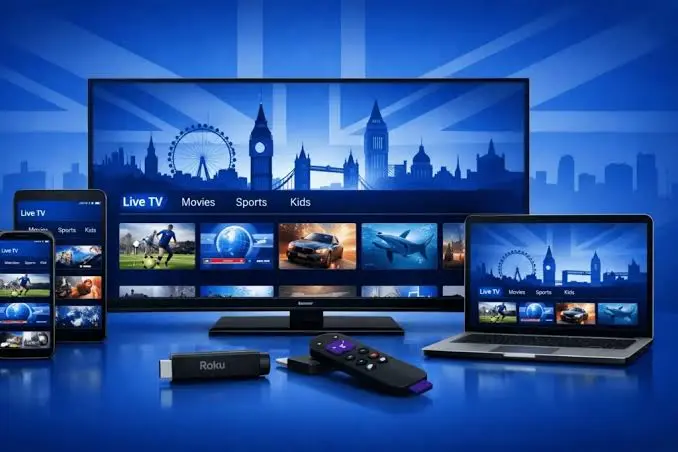
Unlike conventional broadcasting, IPTV delivers television content through an internet connection. This means viewers can often access live television, catch-up programming, and video-on-demand content using compatible devices such as Smart TVs, streaming devices, smartphones, tablets, or computers.
What Is IPTV?
IPTV stands for Internet Protocol Television. Instead of transmitting television signals through satellite dishes or cable infrastructure, IPTV uses internet protocols to deliver video content directly to compatible devices.
In simple terms, if you have a stable broadband connection, IPTV allows television programming to be streamed over the internet rather than through traditional broadcast methods.
This technology has become increasingly popular because it offers greater flexibility and allows viewers to watch content across multiple devices without being tied to a single television.
Types of IPTV Services
Not every IPTV service works in the same way. Understanding the different categories can help beginners choose an option that matches their viewing habits.
Generally, IPTV services may include:
- Live TV: Channels broadcast in real time, similar to traditional television.
- Video on Demand (VOD): Watch movies and television series whenever you choose.
- Catch-Up TV: Access programmes that aired recently without recording them beforehand.
- Time-Shifted TV: Pause or replay certain live broadcasts depending on the platform’s available features.
Many providers combine these features into one service, giving viewers greater flexibility than conventional broadcasting.
Why More UK Households Are Exploring IPTV
Consumer viewing habits continue to evolve. People no longer want entertainment to revolve around fixed television schedules.
Several reasons explain why internet-based television continues to grow in popularity:
- Greater viewing flexibility
- Access across multiple devices
- Larger content libraries
- On-demand entertainment
- Improved picture quality
- Easier access while travelling
Instead of asking what is currently being broadcast, viewers increasingly decide what they want to watch and when they want to watch it.
Devices That Support IPTV
One advantage of IPTV is its compatibility with a wide range of devices.
Many modern services support:
- Smart TVs
- Amazon Fire TV and Fire Stick
- Android TV devices
- Apple TV
- Smartphones
- Tablets
- Windows computers
- Mac computers
- Streaming boxes
This flexibility allows users to continue watching across different screens without being limited to one television.
Internet Speed Requirements
Because IPTV relies on an internet connection, having suitable broadband is important.
General recommendations include:
| Streaming Quality | Recommended Speed |
| HD | 10–20 Mbps |
| Full HD | 20 Mbps or higher |
| 4K Ultra HD | 25–50 Mbps or higher |
A stable connection is often more important than simply having very high download speeds. Using an Ethernet connection instead of Wi-Fi can also improve reliability in many homes.
Features Beginners Should Compare
Not all IPTV services offer the same experience. Before making a decision, compare the features that matter most.
Important considerations include:
- Channel selection.
- Video quality.
- Device compatibility.
- User interface.
- Electronic Programme Guide (EPG).
- Catch-up television.
- Video-on-demand library.
- Customer support.
- Multi-device compatibility.
- Overall reliability.
Taking time to compare these areas can help avoid disappointment later.
Picture Quality Continues to Improve
Modern IPTV platforms often support several video resolutions depending on both the available content and the user’s internet connection.
Common formats include:
- HD
- Full HD (1080p)
- 4K Ultra HD
- HDR-supported content
Higher resolutions can provide sharper images and improved colour, particularly when watching sports, documentaries, and films on larger television screens.
Setting Up IPTV Is Usually Straightforward
For many beginners, installation sounds more complicated than it actually is.
The general process usually involves:
- Selecting a compatible service.
- Installing a supported player or application.
- Enter the login information supplied by the provider.
- Allowing the content library to load.
- Beginning to browse available channels and on-demand content.
Many providers also publish detailed installation guides for different devices, making the process accessible even for users with limited technical experience.
Common Mistakes Beginners Should Avoid
People using IPTV for the first time often encounter avoidable issues.
Some common mistakes include:
- Choosing a service without checking device compatibility.
- Using slow or unstable internet connections.
- Ignoring available customer support resources.
- Not updating streaming applications regularly.
- Expecting every feature to work identically across all devices.
Learning these basics beforehand usually results in a much smoother experience.
Choosing a Platform That Fits Your Needs
Every household has different viewing preferences.
Some people primarily watch live sport, while others spend most of their time enjoying films, documentaries, or television series.
Rather than focusing only on price, it is often worth comparing overall value, including available content, supported devices, picture quality, and ease of use. Platforms such as Cineva are among the options available for viewers who want compatibility across multiple devices and a broad entertainment experience.
Understanding IPTV with Confidence
IPTV has transformed how many people access television by delivering live channels and on-demand entertainment through internet connections instead of traditional broadcast methods. For beginners, understanding how the technology works, what devices are supported, and which features to compare makes choosing a suitable service much easier.
As internet speeds continue improving and connected devices become even more common, IPTV is likely to remain an important part of the UK’s television landscape. By taking the time to understand the basics and comparing services carefully, viewers can choose an option that matches their entertainment preferences and viewing habits both now and in the years ahead.
Frequently Asked Questions
Is IPTV legal in the UK?
IPTV itself is simply a technology used to deliver television over internet networks. Whether a particular service is legal depends on whether it has the appropriate rights and licences to distribute the content it offers.
Can I use IPTV on more than one device?
Many services support multiple devices, although the number of simultaneous streams depends on the individual provider and subscription.
Do I need a Smart TV?
No. IPTV can often be used on streaming devices, smartphones, tablets, computers, and compatible TV boxes, as well as Smart TVs.
Is fast internet required?
A stable broadband connection is recommended. Higher-quality video formats,s such as 4K generally require faster internet speeds than standard HD streaming.
Is IPTV suitable for beginners?
Yes. Most modern IPTV platforms are designed with simple interfaces and installation guides, making them accessible even for users with limited technical knowledge.
Technology Perspective
Technology continues to transform industries through artificial intelligence, cloud computing, automation, cybersecurity, digital platforms, and data-driven decision making. As organizations increasingly adopt digital solutions, understanding emerging technologies becomes essential for businesses, professionals, and consumers. DGM News regularly covers these developments through expert analysis, technology news, and educational resources.
Innovation Outlook
Rapid advances in artificial intelligence, automation, machine learning, cloud infrastructure, and digital transformation continue reshaping global industries. Monitoring these developments helps organizations adapt to changing technologies, improve efficiency, and prepare for future innovation.
Did you know?
Artificial Intelligence is expected to influence nearly every major industry over the coming decade, from healthcare and finance to transportation, manufacturing, education, and entertainment.
AI, Machine Learning, Deep Learning and Generative AI Explained
Google AI Updates
About DGM News
DGM News is an independent digital publication delivering the latest Technology News, AI News, and FinTech News. We provide expert insights on startups, innovation, cybersecurity, software, business, gadgets, cloud computing, artificial intelligence, and emerging technologies. Our mission is to publish informative, accurate, and regularly updated content that helps readers stay informed in today's rapidly evolving digital landscape.
Since our editorial focus includes technology, artificial intelligence, and financial technology, we continuously expand our coverage as new innovations emerge.
Editorial Standards
Every article published on DGM News undergoes editorial review before publication. We prioritize factual accuracy, clarity, transparency, and reader value while following responsible digital publishing practices.
Research Methodology
Our editorial team researches publicly available information from official announcements, technical documentation, research publications, developer resources, reputable industry reports, and trusted public sources whenever applicable. Information is reviewed to improve clarity and accuracy before publication.
Fact-Checking Policy
We make reasonable efforts to verify factual information before publishing. Articles are reviewed for accuracy, consistency, and relevance. If significant developments occur after publication, content may be revised to reflect updated information.
Update Policy
Technology evolves rapidly. Articles may be reviewed and updated periodically to reflect software releases, AI developments, security advisories, regulatory updates, product launches, and other important industry changes.
Source Verification
Whenever possible, DGM News reviews information using official company announcements, technical documentation, research publications, government resources, publicly available reports, and reputable industry references before updating articles.
Editorial Independence
DGM News maintains editorial independence in all publishing decisions. Editorial content is produced independently and is intended to provide balanced, informative, and reader-focused coverage without influence from advertisers or commercial partnerships.
AI Usage Disclosure
Artificial intelligence tools may assist with research organization, grammar improvement, formatting, or editorial workflows. Every article is reviewed by human editors before publication to help maintain quality, clarity, and factual accuracy.
Corrections Policy
Accuracy is important to us. If readers identify outdated information or factual inaccuracies, they are encouraged to contact our editorial team. Verified corrections are reviewed and incorporated whenever appropriate.
Reader Feedback
Reader feedback helps improve our journalism. We welcome suggestions, corrections, and constructive feedback through our Contact page to continuously improve the quality of our reporting.
Last Editorial Review
This article follows the DGM News editorial review process and may be updated periodically as new information becomes available.
Why Trust DGM News?
DGM News is committed to publishing technology journalism that emphasizes accuracy, transparency, editorial independence, and regularly updated information. Our editorial process is designed to provide readers with reliable coverage of technology, AI, fintech, startups, and digital innovation.
DGM News Resources
Topics We Cover
Artificial Intelligence • AI Tools • Machine Learning • FinTech • Cybersecurity • Cloud Computing • Programming • Software Development • Gadgets • Mobile Technology • Business Technology • Startups • Digital Marketing • Blockchain • Cryptocurrency • Science • Innovation • Consumer Technology • Enterprise Technology • Automation
