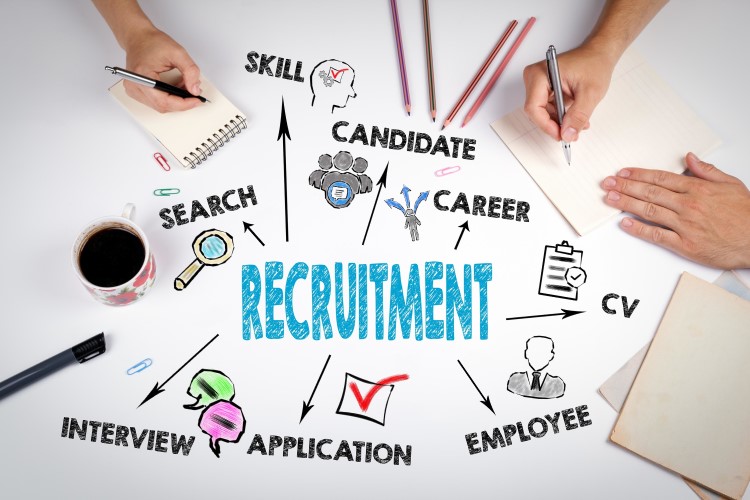
Hiring the right person isn’t simply about resumes and interviews, it’s about securing talent that fits your company’s culture, goals, and future. Recruitment experts excel in matching businesses with candidates who not only meet qualifications but also strengthen your organization.
The Modern Hiring Challenge
Hiring in today’s competitive job market is no easy task. Companies are bombarded with applications, yet many struggle to find candidates that truly fit the role. It’s a balancing act of speed versus quality, budget versus experience, and culture fit versus technical skills.
As businesses grow, these challenges become more pronounced. Internal HR teams may find themselves overwhelmed, especially if hiring isn’t their full-time focus. That’s when turning to recruitment experts becomes a smart and strategic move.
What Recruitment Experts Really Do
Recruitment experts are not just resume sorters or interview schedulers. They offer a comprehensive, end-to-end service that helps streamline every step of the hiring process. From sourcing candidates and pre-screening resumes to coordinating interviews and negotiating offers, they handle the heavy lifting.
A recruitment agency like Coady’s offers tailored support to help businesses overcome the usual hiring bottlenecks. They understand the nuances of different industries and can match companies with candidates who are not only qualified but also highly compatible with the workplace culture.
Deep Industry Knowledge
Recruitment professionals bring a wealth of industry insight to the table. They know where to find top talent, what motivates candidates, and how to present opportunities in a compelling way. Their understanding of salary benchmarks, required skill sets, and industry trends allows them to act as trusted advisors throughout the hiring process.
Time-Saving Screening Process
Recruiters employ refined screening techniques to ensure that only the most qualified candidates advance to the interview stage. This reduces the time employers spend on unqualified applicants. Instead of sifting through hundreds of resumes, hiring managers can focus on interviewing the top five candidates who actually fit the role.
Access to Hidden Talent
Many top-performing professionals aren’t actively looking for a job. However, recruitment agencies often have access to a network of “passive candidates” individuals who are open to the right opportunity but not actively job hunting. Coadys Personnel Consultants, for example, leverages its network to connect companies with talent that might never apply through traditional job boards.
The Power of Personalization in Hiring
Every company is different, and so is every hire. What works for one business may not work for another. That’s why a one-size-fits-all hiring approach often falls short. Recruitment experts personalize their approach to match each client’s unique needs, values, and goals.
Understanding Company Culture
One of the most overlooked aspects of hiring is culture fit. A candidate may have the right qualifications, but if they don’t mesh well with the company’s environment, problems can arise down the road. Recruitment specialists spend time understanding what makes a company tick — from leadership style to team dynamics to ensure candidates align not just with the job description, but also with the company’s culture.
Tailored Job Descriptions
A well-crafted job description is essential for attracting the right candidates. Recruiters help companies create clear, engaging, and accurate listings that appeal to the ideal candidate persona. This reduces unqualified applications and increases interest from the right professionals.
Streamlined Interview Coordination
Scheduling interviews and providing feedback can be time-consuming, especially when multiple stakeholders are involved. Recruitment experts coordinate these logistics smoothly, ensuring the process stays on track and communication is consistent.
The Long-Term Value of Expert Recruitment
While some businesses view recruitment agencies as a short-term fix, the value they bring often extends far beyond the initial hire.
Reducing Turnover
Hiring mistakes are costly. Between onboarding, training, and lost productivity, a bad hire can have a significant impact on a company’s bottom line. By finding candidates who are not just capable but also committed and culture-aligned, recruitment experts help reduce turnover and promote long-term success.
Building a Talent Pipeline
Another benefit of working with professionals like Coady’s recruitment agency is the ability to build a talent pipeline. Even if you’re not hiring today, a recruitment partner can keep you connected to future prospects, ensuring you’re never starting from scratch when a position opens up.
Strategic Workforce Planning
Recruiters can also contribute to your broader business strategy by helping plan for future workforce needs. Whether you’re scaling a department, launching a new project, or entering a new market, having the right talent in place is key. Recruitment agencies offer insights and support that help you plan ahead rather than scramble later.
Why Businesses Choose Recruitment Partners
Recruitment agencies offer more than just filling a vacancy; they ensure you find candidates who help your business grow and succeed, giving you confidence in a seamless hiring process.
For many businesses, especially growing ones, the support of a recruitment agency like Coady’s can mean the difference between delayed projects and thriving teams.
Focus on Core Business
Outsourcing recruitment allows internal teams to focus on their core roles without sacrificing the quality of new hires. It’s a win-win situation where you get better candidates without pulling your team in too many directions.
Flexibility and Scalability
Whether you need to fill a single role or build an entire team, recruitment experts offer the flexibility to scale hiring efforts according to your needs. They can handle seasonal surges, high-volume hiring, or specialized roles with the same level of professionalism and attention to detail.
Conclusion: The Right Fit Makes All the Difference
Hiring isn’t just about filling an open seat, it’s about finding someone who will grow, contribute, and thrive within your organization. Recruitment experts bring structure, strategy, and a personalized approach that turns a stressful hiring process into a smooth and successful experience.
Partnering with professionals like Coady’s recruitment agency means gaining a trusted ally who prioritizes finding the ideal fit for both the role and your company’s future success.