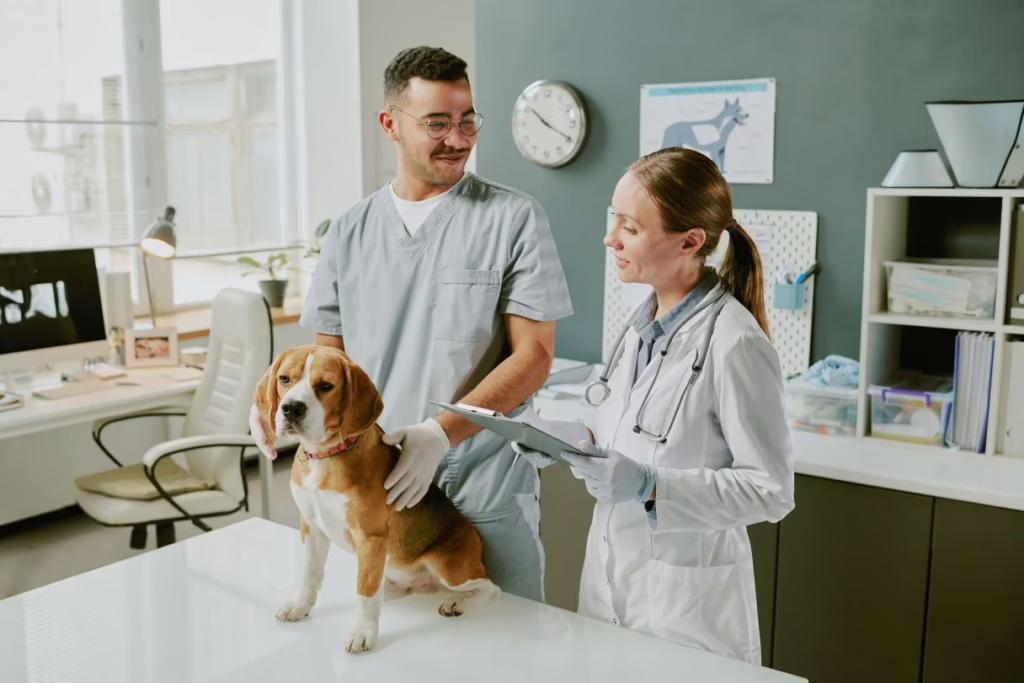
Choosing an animal hospital is a hard decision. Your pet cannot speak for itself, so you carry that weight. The wrong choice can cause pain, confusion, and regret. The right choice can bring relief and trust. You need clear facts, not guesswork.
This blog gives you three simple points to check before you commit. You will see what to look for in the people, the place, and the care. You will also learn questions you can ask on your first call or visit.
Many clinics look the same from the outside. Inside, they can feel very different. An Oakville Veterinarian may offer long hours, friendly staff, and many services. Yet that alone does not guarantee safe and steady care.
You deserve an animal hospital that respects you, listens to you, and treats your pet like family. Here is how you can sort through your options with confidence.
1. People: Training, teamwork, and communication
The people who touch your pet matter more than the building or the sign. You trust them with fear, money, and time. You need proof that they earn that trust.
Start with training. Look for:
- Licensed veterinarians in good standing with a provincial or state board
- Registered veterinary technicians or nurses who handle anesthesia and lab work
- Support staff who know basic handling and safety rules
You can check licenses through your provincial or state regulator. For example, the Canadian Veterinary Medical Association veterinarian finder helps you confirm status where it is offered. You can also ask the clinic to show proof of current licenses.
Next, look at teamwork. During a visit, notice three things.
- Front desk staff greet you and use your pet’s name
- Staff speak with each other in a calm, clear way
- You see the same few faces across visits, not constant turnover
Strong teams lower mistakes and stress. Weak teams pass blame and lose records. Your pet feels that strain.
Then test communication. During your first call or visit, ask:
- How do you share test results
- Who explains costs before treatment
- How can I reach a veterinarian if I have questions after I go home
You should get simple, direct answers. You should never feel rushed or shamed. Clear talk is a sign of safe care.
2. Place: Safety, access, and emergency support
The building does not need to look fancy. It must be clean, safe, and ready for hard days. A quick walk through tells you a lot.
Look at cleanliness first. You should notice:
- No strong smell of urine or waste
- Floors free of spills and clutter
- Clean cages and exam tables between patients
Then check basic safety. Ask staff:
- How do you separate sick pets from healthy pets
- Where do contagious pets wait
- How often do you clean high touch surfaces
Next, think about access. You need a clinic you can reach in a crisis. Consider three points.
- Distance from your home or work
- Parking or transit options
- Regular hours that match your schedule
Also ask what happens at night, on weekends, and on holidays. Some hospitals offer their own urgent care. Others work with a separate 24 hour center. You just need to know the plan before you face a midnight emergency.
Emergency readiness is not a luxury. It is a basic need. The United States Centers for Disease Control and Prevention gives guidance on pet emergency planning in its “Pet Disaster Preparedness” page. Use that as a checklist when you talk with a clinic about their own emergency steps.
3. Care: Services, cost clarity, and follow up
Good care covers routine visits, sudden illness, and long term conditions. You want a hospital that can handle most needs under one roof or works closely with trusted specialists.
Ask what services they provide on site.
- Wellness exams and vaccines
- Spay and neuter surgery
- Dental cleaning and extractions
- Basic imaging such as X rays
- Lab work such as blood and urine tests
If your pet has special needs, such as heart disease or diabetes, ask who manages that care. You can request names of surgeons or cardiologists they use. You can also ask how they share records with those clinics.
Cost clarity protects you from shock and anger. Before treatment, ask for:
- A written estimate with low and high ranges
- What is included in the estimate
- What could change the price
Ask how they handle payment plans, pet insurance claims, and deposits. Honest talk about money is a sign of respect, not greed. You should feel safe asking about cheaper choices when they exist.
Follow up care shows how much a hospital values your pet after you leave. Ask these questions.
- Do you call or email after surgery or a sick visit
- How do you manage refills for long term medicine
- Can I send photos or videos if I am worried about a wound or symptom
You should not feel alone once you walk out the door. You should know who to contact and how fast they respond.
Sample comparison of two animal hospitals
| Feature | Hospital A | Hospital B |
|---|---|---|
| Distance from home | 5 minutes by car | 20 minutes by car |
| Emergency support | On site urgent care until midnight | Refers to 24 hour center 30 minutes away |
| Registered technicians | Yes during all open hours | Only on weekdays |
| Written estimates | Always before treatment | Only on request |
| Follow up contact | Next day call after sick visit | No routine follow up |
This simple table helps you weigh real choices. You can add your own rows for things that matter to your family, such as weekend hours or cat only spaces.
Turning concern into action
You cannot remove all risk. You can lower it with steady steps.
- Visit or call at least two clinics before you pick one
- Bring a written list of questions for each visit
- Trust your gut if something feels rushed or unclear
Your pet leans on you for safety. With clear questions and calm review, you can find an animal hospital that stands with you, honors your pet, and helps you face both ordinary days and hard nights with steady support.