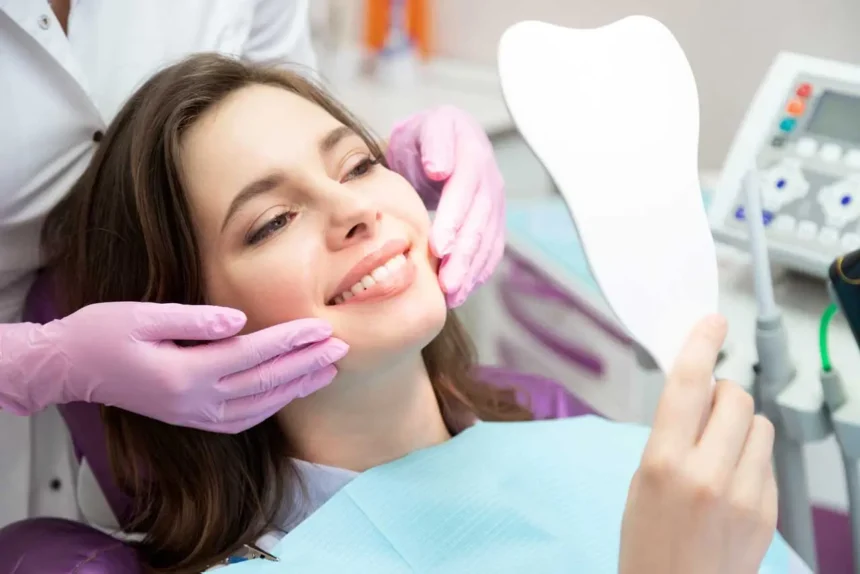
You might be feeling a bit self conscious every time you smile. Maybe you cover your mouth in photos, avoid laughing too hard, or keep thinking “My teeth just don’t look like they used to.” It can be frustrating, because your teeth are healthy enough, yet the mirror keeps reminding you of stains, chips, or gaps—something a skilled dentist in Fontana, CA can help you address.end
- What keeps you from smiling freely, and can everyday cosmetic dentistry really help?
- 1. Professional teeth whitening for stains that will not budge
- 2. Bonding to fix chips, gaps, and small imperfections
- 3. Porcelain veneers for a more dramatic yet natural change
- 4. Tooth colored fillings that blend in with your natural smile
- How do these 4 cosmetic options compare in real life?
- What can you do right now to move toward the smile you want?
- Moving from hesitation to quiet confidence
At the same time, you probably do not want anything extreme. You just want to know what a trusted family and cosmetic dentist can do to gently improve your smile, without turning you into someone you do not recognize. That tension is very real. You want change, but you also want control.
This is where everyday cosmetic dentistry comes in. General dentists perform cosmetic procedures all the time, usually using simple, conservative treatments that fit into normal life and normal budgets. The four most common are teeth whitening, bonding, veneers, and tooth colored fillings. Each one can be tailored to your comfort level, and often they can be combined for a natural, refreshed look.
So where does that leave you? It means you do not have to choose between “doing nothing” and a full smile makeover. You can understand what is possible, weigh the pros and cons, then decide what fits your goals and your timeline.
What keeps you from smiling freely, and can everyday cosmetic dentistry really help?
For many people, it starts small. Coffee stains that do not scrub off. A chipped front tooth from a weekend injury. A dark filling that shows when you laugh. Over time, these little things can add up and start to affect how you feel in social or work situations.
The emotional side is often heavier than people admit. You might avoid close up conversations or feel a wave of dread before a big presentation or family photo. You might even worry that others are judging you, even when they probably are not. Still, the feeling is there, and it is exhausting.
On top of this, there is the practical side. You may wonder how much cosmetic treatments cost, whether they hurt, and whether they are “necessary” enough to justify the time and money. You might also be unsure which treatments are safe to do on your own and which really require a dentist.
Because of these questions, many people stay stuck. They are unhappy with their smile, but they do not know where to start, so they do nothing and keep hoping it will bother them less someday.
Here is the reassuring part. Most cosmetic dental treatments that general dentists perform are conservative, quick, and highly customizable. You can often start small, see how you feel, and build from there if you choose.
1. Professional teeth whitening for stains that will not budge
Teeth whitening is one of the most common cosmetic dentistry procedures in general practice. If you are frustrated by stains from coffee, tea, wine, or smoking, this is usually the first option to consider.
Over the counter products can help a bit, but professional whitening uses stronger, carefully controlled gels and custom trays to brighten teeth more evenly. Your dentist can also screen for underlying issues, like cavities or gum problems, before whitening, which keeps you safer and more comfortable. For an overview of how whitening works and what to expect, you can read about teeth whitening from the American Dental Association.
Common concerns include sensitivity and whether the results will look too bright. Your dentist can adjust the strength and schedule to reduce sensitivity and keep the color within a natural range that suits your skin tone and age.
2. Bonding to fix chips, gaps, and small imperfections
Dental bonding is often the quiet hero of cosmetic care. It involves applying a tooth colored resin to your teeth to fix chips, reshape edges, close small gaps, or cover stubborn stains. The material is sculpted by hand, then hardened with a special light.
Imagine you have one front tooth that is slightly shorter than the one next to it, or a small gap that bothers you in photos. Bonding can often correct that in a single visit with no shots and no drilling into healthy enamel. It is usually more budget friendly than veneers, which makes it a good “test drive” option if you are unsure how much change you want.
The trade off is that bonding can stain or chip over time and may need touch ups. Even so, for many people it is a gentle, low stress way to see a big difference.
3. Porcelain veneers for a more dramatic yet natural change
When someone wants a more noticeable transformation, veneers often come into the conversation. Veneers are thin porcelain shells that cover the front surface of teeth. They can change color, shape, and alignment in a controlled way, while still looking like real teeth when they are done thoughtfully.
General dentists who offer cosmetic services use veneers to handle multiple concerns at once. For example, if your teeth are worn, discolored, and slightly crooked, veneers might give you a more even, brighter smile without orthodontics, depending on the case. The American Dental Association provides helpful background on porcelain veneers and what they can do.
The process usually takes a couple of visits and may involve removing a small amount of enamel. That is why it is important to talk clearly with your dentist about how many teeth to treat, what shade you want, and how the final shape will match your face and personality.
4. Tooth colored fillings that blend in with your natural smile
Tooth colored fillings, often called composite fillings, serve both cosmetic and health purposes. Your dentist uses them to repair cavities or replace old silver fillings, but because the material is matched to your tooth, they also improve appearance.
If you have older metal fillings that show when you talk or laugh, replacing them with composite can make your smile look more uniform. At the same time, the material bonds to the tooth and supports it structurally. Many family and cosmetic dentists do this kind of work every day as part of normal restorative care.
So how do you decide which of these four options, or which combination, fits your needs and your comfort level?
How do these 4 cosmetic options compare in real life?
It can help to see the main differences side by side, especially if you are weighing cost, time, and how long results last.
| Procedure | Best for | Typical time | Average longevity | Common concern |
|---|---|---|---|---|
| Professional whitening | Overall yellowing or surface stains | 1 office visit or 1 to 2 weeks with take home trays | Several months to a few years, depending on habits | Sensitivity and needing touch ups |
| Bonding | Chips, small gaps, single dark tooth | Often 1 visit | 3 to 10 years with good care | Can stain or chip more easily than porcelain |
| Porcelain veneers | Multiple cosmetic concerns on front teeth | Usually 2 to 3 visits | 10 to 15 years or more for many patients | Higher cost and some enamel removal |
| Tooth colored fillings | Cavities or replacing metal fillings | 1 visit per area | 5 to 15 years depending on size and location | May wear faster on heavy bite areas |
Seeing these side by side often clears up one big worry. You do not have to choose the most aggressive or longest lasting option to make progress. Sometimes a simple whitening and one or two bonded teeth are enough to restore your confidence.
What can you do right now to move toward the smile you want?
1. Get clear on what actually bothers you
Stand in front of a mirror with good light. Smile naturally, then bigger than usual. Notice what draws your eye. Is it color, shape, spacing, or old fillings that show? Write down the top two or three things that truly bother you. This gives you a focused starting point for a conversation with your dentist.
2. Ask your family dentist about cosmetic options, not just “fixes”
At your next checkup, bring up your list and say plainly that you are interested in cosmetic changes, even small ones. General dentists perform cosmetic dental procedures frequently, and many can offer conservative options you might not know about. Ask for a simple treatment plan with a rough timeline and cost range. You can always adjust later.
3. Protect the investment with everyday habits
Whatever you choose, your daily habits will shape how long results last. Rinse with water after coffee or wine. Use a soft toothbrush and non abrasive toothpaste. Keep up with professional cleanings and let your dentist know if you grind your teeth at night so they can suggest a night guard if needed. These small steps help protect any cosmetic work and your natural teeth.
Moving from hesitation to quiet confidence
You do not have to love every part of your smile overnight. You also do not have to commit to a full makeover to see a real difference. By understanding these four common cosmetic dentistry procedures that general dentists perform regularly, you can choose one small, thoughtful step that fits your life right now.
The most important part is that you feel heard, informed, and in control. From there, even modest changes can bring back the simple joy of smiling without thinking twice.