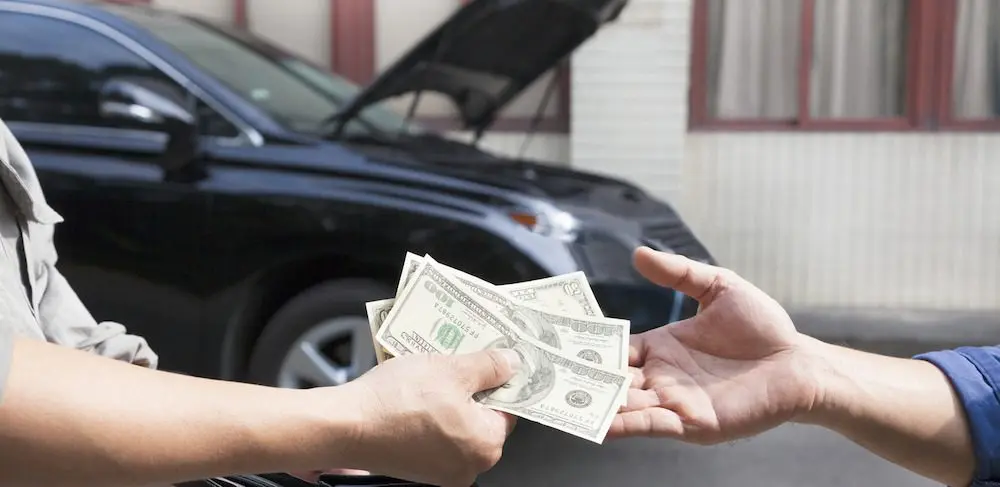
The harsh reality of automotive ownership is that a vehicle is typically a depreciating asset. The moment you drive a new car off the dealership lot, it can lose up to 20% of its initial value.
However, this steep decline is not entirely out of your control. By implementing scientific, data-driven maintenance strategies, vehicle owners can mitigate this financial bleed. Strategic upkeep is no longer just about aesthetics; it is a calculating approach to asset management (Internal Link to Finance/Investment). Proper care can seamlessly translate into thousands of dollars in retained value when it comes time to sell or trade in your vehicle.
Here are five proven strategies to ensure your automotive investment yields the highest possible return in the secondary market.
Keep Immaculate Maintenance and Service Records
A well-maintained vehicle mechanically operates better, but proving that maintenance occurred is what actually drives up its market price. Buyers are inherently risk-averse, and documented history eliminates the fear of the unknown.
The Power of the Paper Trail
Complete service records act as a certificate of health for your vehicle. A comprehensive paper trail directly elevates buyer trust and justifies a premium valuation during an appraisal.
To build an airtight paper trail, consistently document the following:
- Routine Fluid Changes: Oil, transmission, brake, and coolant flushes.
- Tire and Brake Maintenance: Rotations, alignments, and pad/rotor replacements.
- Major Milestone Services: 30k, 60k, and 90k-mile scheduled factory maintenance.
- Recall Repairs: Proof that all manufacturer safety recalls have been addressed.
Invest in Advanced Paint Protection Solutions
First impressions dictate the baseline of any vehicle valuation. A flawless exterior signals to potential buyers or appraisers that the vehicle has been treated with meticulous care.
Beyond Traditional Waxing
When it comes to safeguarding the exterior, traditional waxing has been largely superseded by Paint Protection Films (PPF). Modern thermoplastic polyurethane (TPU) films offer unprecedented self-healing properties against rock chips and environmental contaminants.
For instance, industry-leading manufacturers like ClearPro utilize advanced non-yellowing optical TPU technology that ensures the vehicle’s original factory finish remains flawless for years, directly translating to a higher appraisal value when it’s time to sell.
Unlike wax, which degrades in weeks, or ceramic coatings that only prevent chemical etching, high-quality PPF acts as a physical armor. This is a critical upfront investment that preserves the factory clear coat from permanent physical degradation.
Prioritize Interior Upkeep and Upholstery Care
While the exterior catches the eye, the interior is where the new owner will spend their time. Significant wear and tear on cabin materials can be fatal to a car’s estimated value.
Factors like cracked leather seats, faded dashboards, and heavily worn steering wheels immediately deduct hundreds, if not thousands, of dollars from the asking price. Often, UV radiation and neglect (Internal Link to Maintenance/Lifestyle) are the primary culprits for interior deterioration.
To preserve your interior’s pristine condition, consider these steps:
- Apply UV Window Tint: High-grade ceramic tints block 99% of harmful UV rays.
- Use Sunshades: Always deploy a reflective windshield shade when parking outdoors.
- Condition Leather Regularly: Apply high-quality conditioners quarterly to prevent cracking.
- Implement All-Weather Mats: Protect original factory carpeting from permanent stains.
Avoid Aggressive Aftermarket Modifications
Personalizing a vehicle might bring short-term satisfaction, but it often results in long-term financial penalties. The secondary market overwhelmingly favors Original Equipment Manufacturer (OEM) conditions.
Modifications limit your pool of potential buyers. Most consumers want a reliable, factory-standard vehicle. When preparing a car for eventual resale, avoid the following aggressive modifications:
- Non-Standard Paint Jobs: Custom colors or poorly applied vinyl wraps.
- Exaggerated Aerodynamics: Oversized spoilers or aggressive body kits.
- Engine Tuning: ECU flashes that may void factory warranties.
Monitor Mileage and Drive Smart
Mileage remains one of the most critical metrics in any vehicle valuation algorithm. Every additional mile driven incrementally increases wear and tear on the engine, transmission, and suspension systems.
According to analytical research on depreciation and vehicle valuation by Kelley Blue Book, crossing specific mileage thresholds can trigger a steep drop in a car’s market worth, making strategic driving essential for long-term value retention.
You cannot entirely avoid driving, but you can manage your mileage smartly. Consolidating errands and avoiding unnecessary long-distance trips can keep your vehicle comfortably below those psychological mileage milestones (like 50,000 or 100,000 miles).
Conclusion: Protecting Your Automotive Investment
A vehicle is fundamentally a depreciating asset, but it does not have to be a financial sinkhole. By treating your car as an investment rather than a mere consumable, you can significantly alter its depreciation curve.
Strategic, upfront investments—such as maintaining rigorous service records, applying advanced Paint Protection Film, and keeping the vehicle in its OEM state—pay massive dividends. Ultimately, maximizing resale value is about disciplined care and intelligent asset management today, ensuring maximum returns tomorrow.