Crooked teeth can feel like a heavy secret. Traditional braces help, but the metal, wires, and long treatments can drain your patience. Clear aligners offer a different path. You can straighten your teeth with thin, almost invisible trays that fit your daily life. You eat what you want. You clean your teeth with less struggle. You smile without feeling watched. A Harrisonburg dentist now uses clear aligners for many cases that once needed braces. This change is not a trend. It comes from strong results, better comfort, and steady demand from patients who want control. You will see how clear aligners reshape treatment time, comfort, cleaning, and confidence. You will also see how they change what orthodontists plan and how they work with you. These five reasons can help you decide if clear aligners match your needs and your limits.
1. You keep your routine and your privacy
Clear aligners fit into daily life with less friction. You take them out to eat, drink anything except water, and brush.
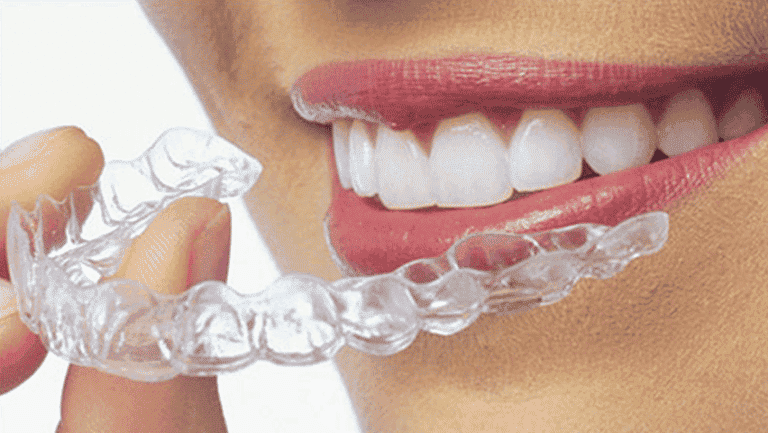
For many adults and teens, appearance during treatment matters. Metal brackets can feel loud in photos and at work or school. Thin plastic trays sit close to your teeth. Most people will not notice them in normal conversation.
This privacy can reduce stress. You can speak at a meeting, pose for a school photo, or attend a family event without worrying about sharp wires or food caught in brackets. You stay in control of when you share that you are in treatment.
The National Institute of Dental and Craniofacial Research explains that healthy teeth help with speaking and social comfort.
2. Treatment can be shorter and more predictable
Every mouth is different. Some cases still need braces. Yet clear aligners can shorten treatment for many mild to moderate problems.
Aligner systems use digital scans and planning software. Your orthodontist maps each small movement of each tooth. You receive a series of trays. Each set nudges your teeth closer to the planned position.
This step-by-step plan can make timing clearer. You often know how many sets you will wear and for how long you will wear each one. You still need checkups. You still need to wear them as directed. But you can see the path ahead.
Typical Treatment Features: Braces and Clear Aligners
| Feature | Traditional Braces | Clear Aligners |
|---|---|---|
| Average wear time per day | 24 hours | 20 to 22 hours |
| Common treatment length for mild to moderate cases | 18 to 24 months | 6 to 18 months |
| Office visits | Every 4 to 8 weeks | Every 6 to 12 weeks |
| Eating limits | Many food limits | No food limits when trays are out |
These numbers are general. Your orthodontist will explain what your own plan looks like.
3. Cleaning your teeth is easier
Healthy gums and clean teeth are not extra. They are part of treatment. The Centers for Disease Control and Prevention warns that poor brushing can lead to cavities and gum disease.
Braces place metal and rubber on your teeth. Food and plaque collect around them. Brushing and flossing take more time and more tools. You might need threaders or small brushes to reach every side.
Clear aligners come out before you brush. You clean your teeth the same way you did before treatment. You brush. You floss. You clean the trays with simple steps your provider shares.
This helps you avoid stains, white spots, and sore gums. It also supports fresh breath. Children and teens who struggle to brush around braces may find this method easier to manage each day.
4. Comfort improves for many patients
No orthodontic treatment is pain-free. Teeth move through bone. That movement can cause pressure. Even so, clear aligners can reduce common sources of irritation.
Braces use metal brackets and wires. These can rub the inside of your cheeks or lips. They can also break, poke, or need quick visits for repair.
Aligners use smooth plastic. The edges rest near your gums. There are no sharp wire ends. Many patients report less cheek and lip soreness. Pressure often comes in short waves when you switch to a new tray set. That feeling usually fades after a few days.
This comfort matters for children who play sports or instruments. Mouth guards fit more easily over aligners than over brackets. Wind instrument players can practice with less mouth irritation.
5. You share control and responsibility
Clear aligners ask more from you. You must wear them for the right number of hours. You must remove them to eat and drink. You must clean them and keep them safe.
This shared control can feel empowering. You are an active partner, not a passive patient. You see each step as you move from one tray to the next. You can track your progress with photos or checklists.
For teens, this can build a sense of ownership. Parents can set simple rules.
- Aligners stay in unless you eat or brush.
- Trays go into a case, not a pocket or napkin.
- Missed wear time gets made up as directed by the provider.
For adults, this control helps you fit treatment into work, caregiving, or travel. You can remove trays for a short speech or a special event. You then put them back in and stay on track.
How to decide if clear aligners are right for you
Clear aligners are not a cure for every bite problem. Some complex jaw or tooth issues still need braces or surgery. An in-person exam is the only way to know what is safe for you or your child.
During a consult, you can ask three simple questions.
- Will clear aligners work for my case
- How long will treatment take
- What will I need to do each day
Bring your goals. You might care most about speed. You might care more about comfort. You might care most about cost. A clear talk with your provider can match the treatment to your priorities.
Orthodontics is changing. Clear aligners give many families more choice, more comfort, and more control. With honest guidance and steady habits, you can move toward a smile that feels strong and trusted.