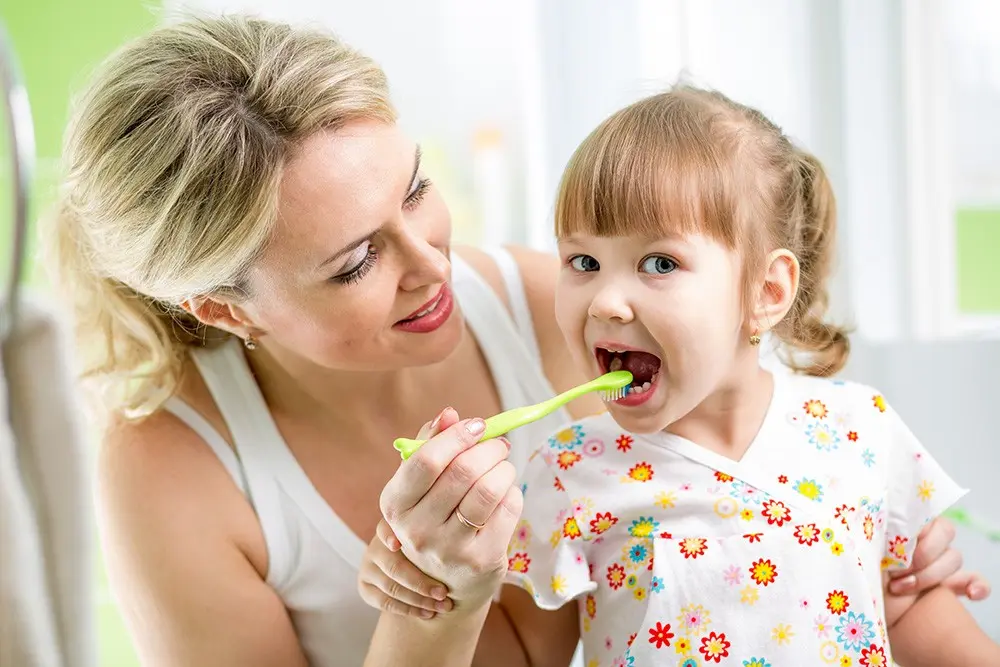
You might be feeling a little worn out from the nightly toothbrush standoff. You remind, they resist. You bargain, they stall. By the time their teeth are finally brushed, everyone is frustrated and bedtime is late again. It is exhausting, and it can stir up guilt, because you know how important healthy teeth are, and how often a visit to a dentist in San Antonio, TX can help, yet you are tired of arguing about it.end
Then there is the “after.” Those rare nights when your child brushes without a fight feel completely different. Bedtime is calmer. You are not repeating the same request five times. You feel like you are actually parenting, not just policing. That is the shift you want more of, and you may be wondering how to get there without using candy or bribes that backfire.
Here is the short version. You can absolutely use rewards to motivate kids to brush and floss, and you can do it in a way that feels aligned with your values. The key is choosing rewards that build healthy routines, not just quick compliance. Below are six parent approved reward ideas, how to use them wisely, and a few simple steps that make the whole routine easier on you and healthier for your child’s teeth.
Why is getting kids to brush and floss every day so hard?
To your child, toothbrushing can feel boring, scratchy, and “one more thing” between them and playtime or bedtime stories. They do not see cavities. They do not feel the long term risk. All they see is foam on a brush and a parent who suddenly seems very serious about two minutes twice a day.
From your side, the pressure is real. You might have had your own dental problems growing up, or you have read that tooth decay is one of the most common chronic diseases in children. Resources like the CDC’s oral health tips for children and the NIH “Healthy Mouth, Healthy Kids” guide make it clear that early habits matter. So when your child clamps their mouth shut or “forgets” to brush, it does not just feel annoying. It can feel scary.
Because of this tension, you might wonder if rewards are just thinly disguised bribes, or if you are somehow “spoiling” your child by offering them. The truth is more nuanced. Rewards can be powerful tools when they are used to notice effort, build routine, and connect brushing and flossing with positive experiences, not power struggles.
6 reward ideas that actually motivate kids to brush and floss
So where does that leave you when you are standing in the bathroom with a toothbrush in one hand and a frowning child in front of you. These six ideas can help you shift from nagging to nurturing, and they work especially well when you keep your family dentist’s advice in mind about consistency and good technique.
1. A simple “brushing chart” that leads to a small weekly treat
Many kids respond well to something they can see and track. Create a chart with morning and evening spaces for each day. Every time your child brushes and flosses, they add a sticker or check mark. When they reach a set goal, such as 10 or 14 checks, they earn a reward.
The reward can be small and non food based. Think a new coloring page, time to build a pillow fort, or choosing a special bedtime story. The focus is not on the size of the prize. It is on the satisfaction of seeing their progress add up.
2. “Choose the activity” time with you
Many children crave connection more than things. You can use that to support healthy habits. Tell your child that when they brush and floss without arguing for a full week, they earn special “you choose” time. They pick the activity. You give your full attention for 15 to 30 minutes.
This might be a board game, drawing together, or kicking a ball outside. When brushing is tied to warm, focused time with you, it stops feeling like a chore that separates you and starts to feel like something that leads to closeness.
3. Bedtime story “bonus chapter” rewards
If your child loves stories, use that. Explain that on nights when they brush and floss well, they earn an extra short story or one more chapter. If they stall or argue, you still read, but you keep it to the regular amount.
This keeps the reward immediate and connected to bedtime. It also avoids using food or toys, which can be harder to manage long term. The key is to stay warm but consistent. “I really want to read the extra chapter too. We can do that tomorrow when brushing goes more smoothly.”
4. “Tooth brushing DJ” privileges
Turn the bathroom into a mini concert. Choose a fun two minute song, or use a toothbrushing app with music and timers. Make it a reward that your child gets to be the DJ for the family’s brushing time when they have brushed and flossed well for a few days in a row.
Power and choice are big motivators for kids. When they feel like the leader of brushing time, they are more likely to participate. You can rotate who gets to be DJ among siblings, which also reduces rivalry.
5. Small “experience coupons” for streaks
For older kids, a simple chart might feel “babyish.” Instead, offer experience coupons for longer streaks of good brushing and flossing, such as two weeks straight. Examples include “pick dinner one night,” “15 extra minutes of screen time on Saturday,” or “one on one outing to the park.”
These rewards feel a bit more grown up and can be especially helpful for kids who are starting to manage more of their own routine. They also line up with what many family dentists encourage. They build responsibility without adding more sugar.
6. Special toothbrush or floss as the reward itself
Sometimes the reward can live inside the habit. If your child reaches a brushing goal, they get to choose a new toothbrush, toothpaste flavor, or kid friendly flossers. Children often enjoy character brushes or brushes that light up. That makes the whole routine more appealing.
Pair this with reminders about why clean teeth matter. You might share a simple picture from resources like the NIDCR guide on oral hygiene to show how brushing helps keep their teeth strong so they can eat, talk, and smile comfortably.
Are rewards for brushing and flossing really worth it?
You might still be wondering if all this effort with charts, songs, and coupons is actually worth it. It can help to look at both sides. On one side are the short term tradeoffs, like a little extra planning for you and the risk of kids expecting something every time. On the other side are long term habits that may reduce cavities, pain, and dental bills.
The table below compares using thoughtful rewards against relying only on reminders and discipline when you are trying to build consistent brushing and flossing routines.
| Approach | What it looks like day to day | Potential benefits | Possible downsides |
|---|---|---|---|
| Using parent approved rewards | Charts, small privileges, extra stories, praise for effort | Turns brushing into a positive routine. Builds motivation. Can lower stress at bedtime. | Takes planning. If rewards are too big or frequent, kids may expect them for everything. |
| Using reminders and discipline only | Verbal reminders, consequences when kids refuse | Simple to manage. Clear rules. No need to track points or prizes. | Can lead to more arguing. Kids may see brushing as punishment. Harder to build internal motivation. |
| Blending rewards with clear expectations | Basic rule is non negotiable brushing. Rewards recognize cooperation and effort. | Balances structure and encouragement. Teaches that habits are expected, and effort is noticed. | Requires consistency from adults, especially on busy or stressful days. |
Most families find that a blended approach works best. The rule is firm. Teeth are brushed and flossed every day. The rewards simply soften the edges and create a more cooperative mood, especially for younger children who are still learning self control.
3 simple steps to make brushing rewards work for your family
You do not need a perfect system. You just need a simple plan that you can actually follow on tired weeknights. These three steps can help you put your 6 parent approved rewards that motivate kids to brush and floss into action without feeling overwhelmed.
1. Set one clear goal and talk about the “why”
Start by choosing a single goal, such as “Brush and floss every night for 7 days without arguing.” Explain it in kid friendly language. “We are taking extra good care of your teeth so they stay strong and do not get holes called cavities. When you brush and floss calmly, you earn stickers. When your chart is full, you choose a special activity.”
If you have an upcoming visit with your family dentist, mention that too. “Our dentist will be so proud to see how clean your teeth are.” Giving a reason beyond “because I said so” helps kids accept the routine as something that matters.
2. Pick rewards that are small, consistent, and not food based
Choose one or two reward ideas from the list that feel realistic for your life. Small, steady rewards are more powerful than big ones that rarely happen. For example, a sticker and an extra bedtime song might be enough for a preschooler. A weekly “you choose” activity might suit an older child.
Try to avoid sugary rewards, since they work against healthy teeth. Experiences, time with you, and small privileges usually support better habits and align more closely with what oral health experts recommend.
3. Stay calm and steady when things do not go as planned
There will be nights when your child melts down or refuses. This does not mean the reward idea failed. It just means your child had a hard moment. Stay calm. Follow through on your plan. “I see you are upset and do not want to brush. Tonight you will not earn a sticker. We can try again tomorrow.”
This steady response teaches that the routine is not negotiable, and your love is not tied to performance. The reward is simply feedback. Over time, many children internalize the habit and care less about the external prize. At that point, you can gradually reduce how often you use rewards, while keeping praise and connection strong.
Encouragement as you build better brushing habits at home
If you are reading this, you already care deeply about your child’s health. That matters. Healthy mouth habits are not built in a day. They grow slowly from dozens of small, imperfect nights when you show up, stay patient, and try again.
You do not have to be flawless. You just need to be consistent enough. Use rewards as gentle support, not as pressure. Lean on trusted resources like the CDC, the NIH, and the NIDCR when you want more guidance about brushing, flossing, and checkups.
Over time, your home can shift from nightly toothbrush battles to a calmer routine where your child knows what to expect and even feels proud of their clean smile. That is the real reward, for them and for you.