
Pests rarely make their presence obvious in the early stages. Occasional droppings, light scratching, or a sudden rise in insects are often overlooked by homeowners. However, in the long run, these minor symptoms slowly develop into larger structural and health issues that are more difficult and costly to correct.
Early detection is thus much more effective than responding to infestation once it has spread, especially in a place such as Raleigh. The hot, humid climate of the city provides favorable conditions for pests to thrive year-round. Therefore, professional Raleigh pest control services are essential for detecting problems early and preventing them from escalating.
This article discusses the clear warning signs that indicate when it is time to consider professional intervention before the problem escalates further.
When Professional Help Becomes Necessary
The presence of multiple signs often means that the infestation is expanding and not an isolated activity. Any delay in treatment will mean that pests will multiply and infiltrate structural areas that are less accessible to treatment.
Professional inspection assists in determining the point of entry, nesting area, and species-related patterns of behavior. It also ensures targeted treatment instead of temporary fixes. Initially, many homeowners use home remedies or sprays available in stores, but the issue usually comes back after a short time since the cause of the problem is still in the interior walls or cavities. This is where professional intervention would be more viable than another attempt at DIY.
For homeowners seeking reliable support after such recurring issues, local specialists offering Raleigh pest control services can step in to assess the full extent of the infestation and apply treatments designed to eliminate the source rather than just surface activity.
Below are the 7 key warning signs to help you identify when professional action may be needed.
1. Droppings Appear Around Home Areas

The initial evidence of rodents can be small droppings in corners of the kitchen, pantry shelves, or even behind furniture. Such droppings might appear insignificant, yet this is a sign of active movement and nesting in the area.
Rodents reproduce quickly, which means a small presence can become a full infestation within weeks. According to the reports, rodents can contaminate food and surfaces through their waste, increasing the risk of disease transmission.
In case the droppings are still visible despite cleaning, then it is an indication of possible continuous activity, which needs specific treatment, as opposed to surface cleaning.
2. Strange Noises Inside Walls
Light tapping, scratching, or scurrying within walls or ceilings is an indicator of pest movement. These noises can be best heard at night when the house is silent.
Moreover, wall voids are common pathways and nesting spots that rodents and insects make use of. In the long run, they can chew on insulation, wires, and wooden structures, causing damage that may remain hidden.
Leaving these sounds unattended may enable pests to grow further into the structural space, which is the area that becomes much harder to remove. Nocturnal loudness in interior walls is one of the strong indicators of concealed nesting activity.
3. Termite Wood Damage Signs
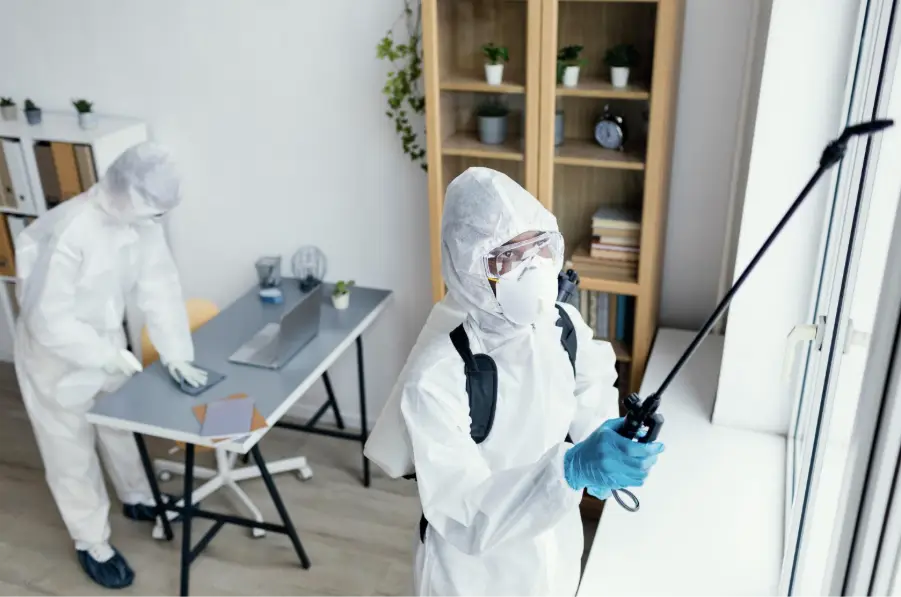
Termites can be easily overlooked until structural damage starts to appear. Peeling paint, hollow-sounding wood, or bubbles on the surface could be evidence of something feeding behind them.
The U.S. Environmental Protection Agency emphasizes that termites lead to the destruction of billions of dollars’ worth of property each year, with no early warning.
When wood starts to weaken or crumble in the hands of the person, it indicates internal damage over time and must be immediately evaluated by a professional. Hence, external alterations on wood are one of the most common indicators of severe internal termites.
4. Unusual Insect Activity Indoors
It is not usual to see insects in and around clean spaces. Trails of ants on the counters, cockroaches in the bathrooms, or flies around drains are typical signs that there is a breeding ground.
Insects are attracted to humidity, food residues, and warmth. After finding a safe home environment, they breed rapidly and increase their area all over the house.
When sightings do not decrease, but instead increase following the cleaning, the infestation is possibly permanent and not temporary. Hence, the frequent appearance of insects in clean places is often an indication that there is a concealed source of breeding.
5. Grease Trails or Wall Smudges

Dark marks on the walls or on the baseboards are common signs of pest movement. As rodents move along the same routes repeatedly, they leave oil and dirt behind their fur.
Additionally, these signs are usually left by the places of entry, storage facilities, or concealed paths behind the appliances. They tend to show up before pests are actually visible.
Persistent marking suggests active nesting routes that require more than simple cleaning to eliminate. Wall smudges often reveal the exact travel paths of hidden rodents.
6. Chewed Wiring or Furniture Damage
An obvious sign of chewing on furniture, cardboard, or any electrical wiring is a serious alarm. Rodents chew all the time to keep their teeth in check, and this aspect may pose a fire hazard in situations requiring the installation of wires.
Damage is often discovered under sinks, behind appliances, or in storage areas. Once chewing begins indoors, it indicates established access points and nesting zones.
At this stage, sealing entry points and removing food sources alone is not enough to stop infestation. Chewed wiring is a critical warning sign requiring immediate intervention due to fire risk.
7. Persistent Pest Return After Cleaning
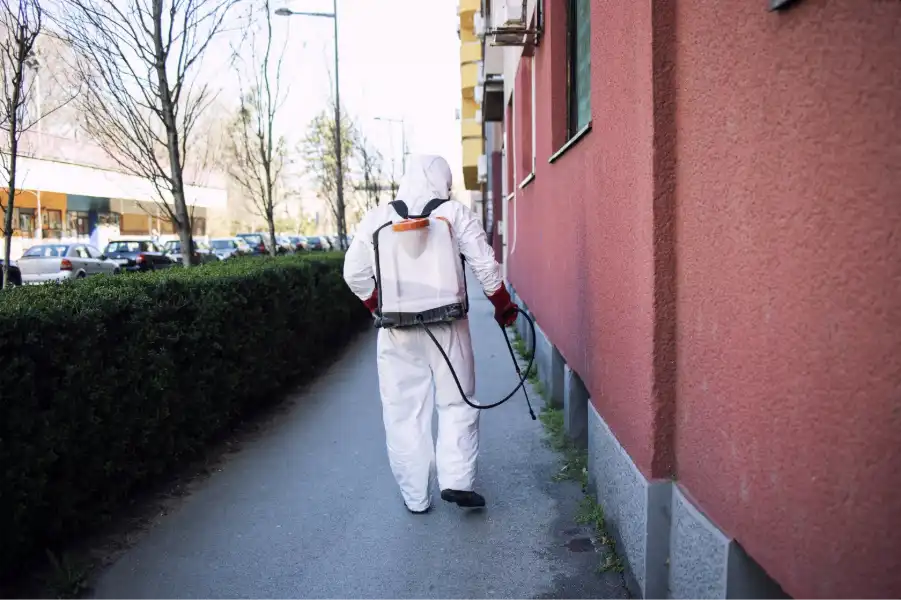
If pests keep returning despite repeated cleaning or DIY sprays, the root cause is still active. This usually means hidden nests, entry points, or breeding areas have not been addressed.
Moreover, the surface treatments target only visible pests and do not target colonies or hidden infestations. This is why the activity usually resumes in a few days or weeks.
In such cases, professional evaluation becomes necessary to identify the source and break the infestation cycle effectively. Recurring pest activity after treatment confirms an unresolved underlying infestation.
Conclusion
The problems of pests never remain small. Hence, never ignore the critical warnings, such as droppings, noises, or structural damage. These signs usually indicate activity occurring beneath the wall or foundation, which, when unaddressed, has the ability to grow wider.
Immediate action, therefore, contributes to property and health safeguarding. Moreover, major repairs can be avoided, and exposure to pests and contaminants can be minimized over time by a timely inspection. In addition, it also supports making sure that infestations are overcome instead of suppressed.
Taking action at the right time makes a significant difference in limiting damage and maintaining a safe, comfortable living environment for the long term.