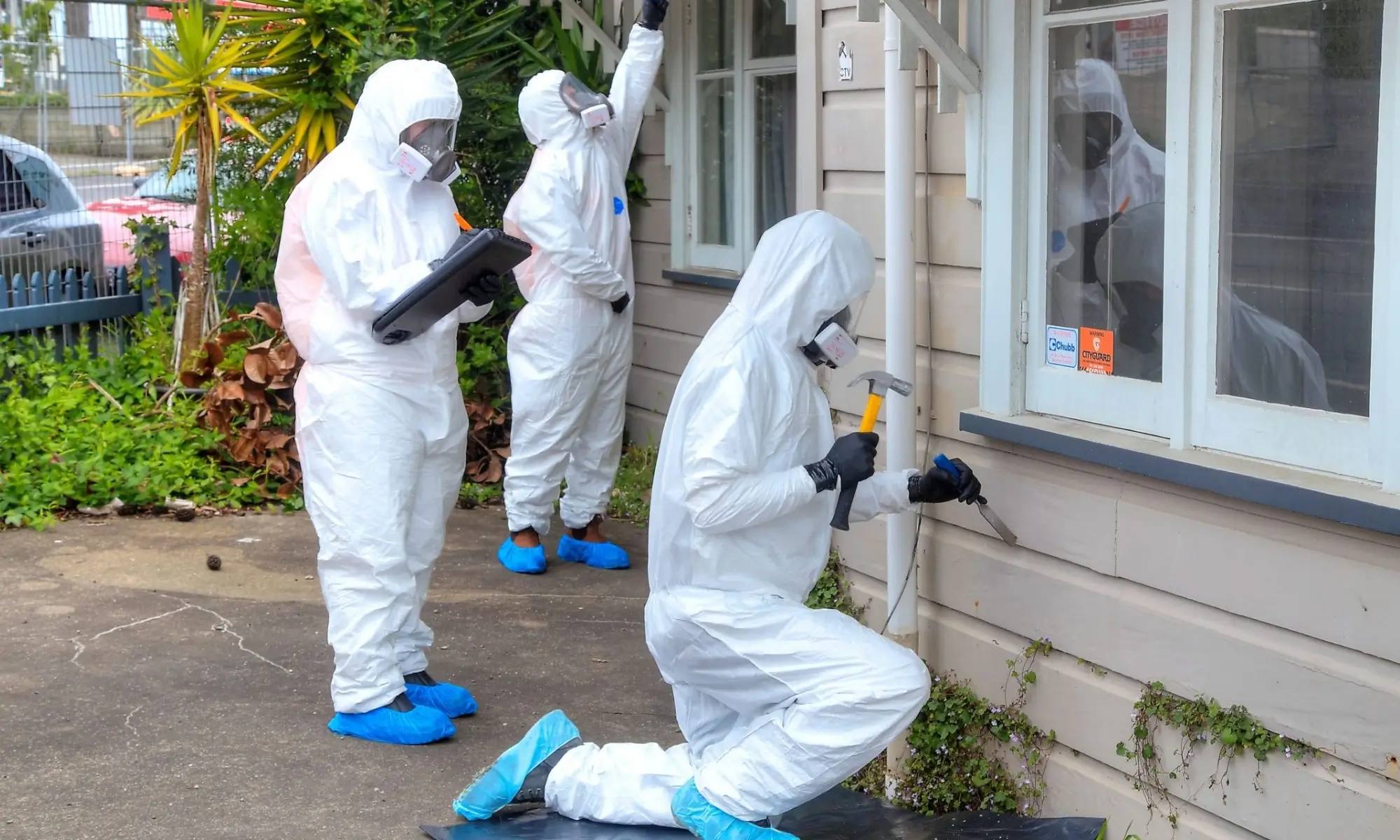
Old floors can be dangerous. Homes built before 1980 often used materials that are now known to be toxic. One of the biggest risks is asbestos tile, which was widely used in kitchens, bathrooms, and basements across America. When these tiles crack or break, they release tiny fibers into the air. Those fibers, once inhaled, can cause serious diseases like mesothelioma decades later. The U.S. EPA estimates that asbestos exposure causes about 10,000 deaths per year in the United States. Knowing the warning signs early can protect your health and your family.
A Build Date Before 1980
This is the first and most important question. The use of asbestos in building materials peaked in the 1960s and 1970s. If your home was built during that time, the chance of asbestos-containing materials is very real. The Consumer Product Safety Commission banned asbestos in wallboard patching compounds and gas fireplaces in 1977. But many floor tiles, ceiling tiles, and insulation materials were already installed and stayed in homes for decades. Age alone is a reason to get a professional inspection.
Many homeowners do not realize the legal and financial risks tied to unsafe renovations in older homes. If asbestos exposure is discovered after improper removal or renovation work, it can lead to serious health concerns and costly liability issues. Firms such as ELSM Law have helped raise awareness around the importance of proper asbestos handling, professional inspections, and protecting families from long-term exposure risks.
Floor Tiles Sized at 9×9 or 12×12 Inch Squares
That specific size is a red flag. Most asbestos floor tiles were manufactured in 9×9 or 12×12 inch squares. They were often made in dark, muted colors like brown, tan, and gray. If your basement or kitchen floor has these square tiles and the home is older than 40 years, do not try to remove them yourself. Always call a licensed asbestos abatement contractor first.
Cracked, Chipped, or Missing Tile Pieces
Damaged tiles are the real danger. Asbestos fibers are only dangerous when they become friable, meaning they crumble and release particles into the air. Intact asbestos tiles are generally considered stable. The moment tiles show cracks, holes, or missing pieces, the risk of fiber release increases significantly. This is when exposure risk becomes real and urgent.
A Chemical or Solvent Smell Near the Flooring
Old adhesives used under floor tiles also contained asbestos and other chemicals. If you notice a sharp, solvent-like smell near your floors, especially when the room is warm, that adhesive could be breaking down. This is not just an air quality issue. It is a health issue. Black mastic adhesive, used under many mid-century floor tiles, is a known asbestos carrier and can off-gas as it degrades.
Soft or Spongy Spots Under Solid Tiles
Soft spots under tiles often mean the adhesive has failed. A failed adhesive can mean tiles are about to crack. And cracked tiles release fibers. Press gently along the floor surface. Any flex or give under solid tiles is a warning you should not ignore. Water intrusion from below is often the cause, and it accelerates tile deterioration significantly.
A History of Flooding or Water Damage
Water damage accelerates the breakdown of asbestos tile adhesive. After a flood, tile deterioration can happen fast. Many homeowners assume a cleaned-up flood is a safe floor. That is not always true. Water-damaged flooring in older homes needs to be tested by a certified professional before anyone spends extended time in that space. The EPA recommends testing any water-damaged flooring in homes built before 1980.
Multiple Layers of Old Flooring Stacked on Top of Each Other
Some homes have two or three layers of old flooring stacked on top of each other. This was common practice in the mid-20th century. Each layer could contain asbestos. The top layer might be modern. But what is underneath matters just as much. A contractor cutting through layers of old flooring without testing first can release asbestos fibers from any one of those hidden layers.