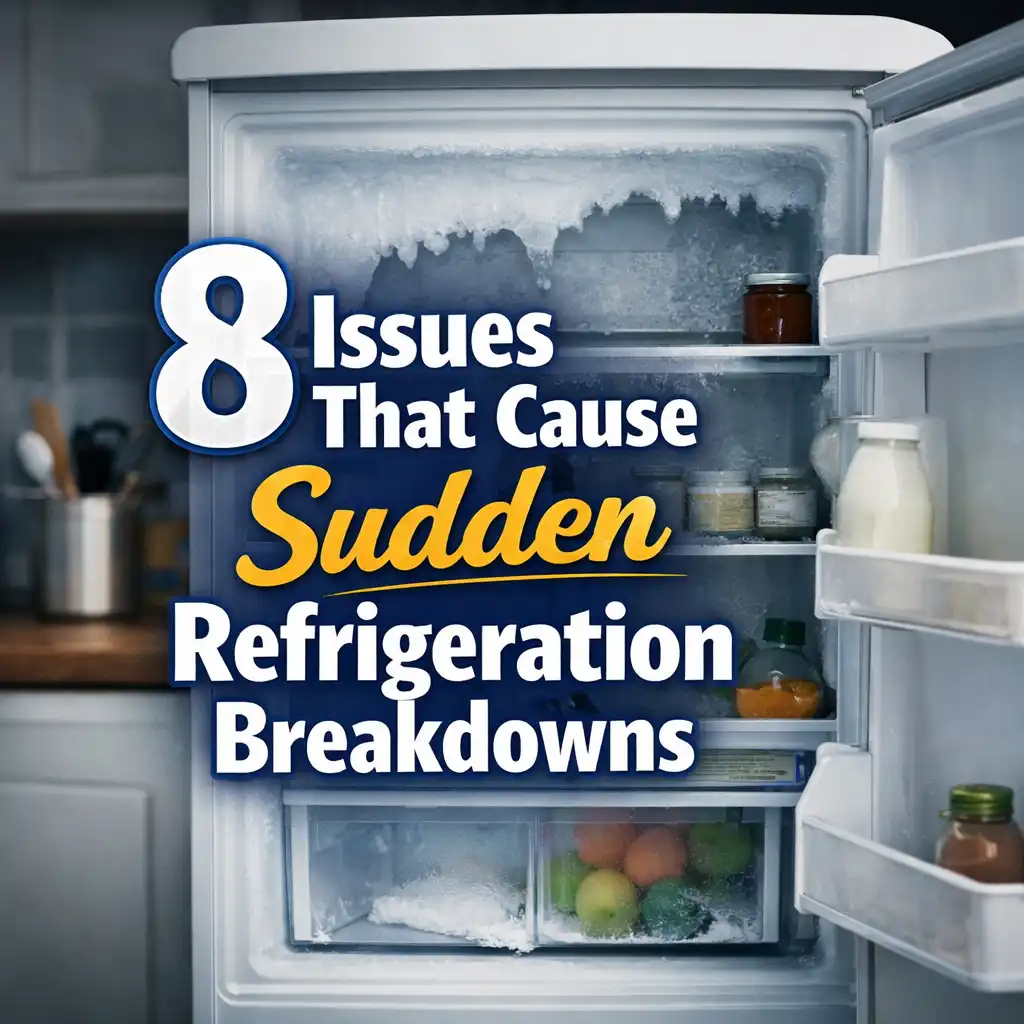
Refrigeration systems are indispensable in our effort to maintain the quality of food, medicine, and other perishable items. Such breakdowns can be highly inconvenient, time-consuming, and costly. Many breakdowns are not random. They are a result of problems that have been brewing for a while. Understanding the typical causes of sudden cooling failures allows you to identify warning signs before they escalate into expensive emergency repairs.
Electrical Problems
Power disruptions often cause refrigeration failures. Things like poor wiring, tripped circuit breakers, or worn outlets can disrupt the flow of electricity. This break can prevent the unit from working. Periodic electrical inspections allow you to detect these potential dangers early, avoiding an unexpected failure. Many facilities require commercial refrigeration repair following electrical issues, as power disruptions or faulty wiring can swiftly halt a unit’s proper operation.
Dirty Condenser Coils
The condenser coils expunge heat from the refrigerator. Over time, dust and grease may gather and build up on these coils. In such situations, heat exchange becomes challenging and leads to the system overheating. When the compressor overheats, it causes it to stress, and eventually it breaks down unexpectedly. Regular cleaning helps it to cool down and function properly.
Faulty Thermostat
If the thermostat is broken, the refrigerator will not regulate temperature. In case of a malfunction with the thermostat, the system might not be able to cool as needed. Erroneous temperature readings may keep the compressor running perpetually or not running at all. Diagnosing the accuracy of the thermostat is essential to make sure it operates reliably and does not lead to abrupt breakdowns.
Refrigerant Leaks
Refrigerant fluid is essential to the process of cooling. In the event of leaks, the cooling capacity drops off dramatically. If refrigerant levels are too low, the refrigerator may not be able to maintain safe temperatures, endangering everything stored inside. Early detection of leaks and regular topping-up of refrigerants preserves the integrity of the system, ensuring maximum performance and longevity of the unit.
Blocked Vents
To maintain constant temperatures, air must be able to flow between all of the temperature zones inside the appliance. Parts of the refrigerator may overheat or freeze if the vents are unable to allow air to flow because the components are unable to draw in enough air. Eventually, this uneven distribution may start to overwork the compressor and cause the system to fail. Clear vents maintain clear air stability.
Compressor Malfunction
The compressor is the heart of the refrigeration system. Cooling will cease if it malfunctions due to wear, electrical problems, or improper maintenance. Unusual sounds and frequent cycling are signs that something is wrong with your compressor. Recognising early warning signs prevents far bigger and more expensive breakdowns.
Faulty Door Seals
The seals on our refrigerator door keep all the cold air inside. When damaged or worn-out gaskets allow warm air to enter, the appliance may require additional effort. It can cause temperature imbalances and overstressed internal parts. So changing bad seals ensures efficient work and prevents a sudden breakdown.
Clogged Drain Lines
This is because drain lines help get rid of excess moisture from the refrigerator. Obstruction of these lines can cause water to accumulate and freeze. Build-ups can lead to leaks, water damage, or ice, which may hinder it from performing as normal. Regular line clearing will avoid these problems and keep your operations running smoothly.
Preventive Maintenance Tips
However, most of these issues could be minimised if regular maintenance is performed before they become permanent. This might involve cleaning coils, checking seals, inspecting wiring, and monitoring refrigerant levels. Regular servicing at regular intervals can help diagnose problems that are difficult to detect during daily checks. Promptly handling small-scale repairs keeps the appliance in excellent working order.
Conclusion
Refrigerator breakdowns can quickly lead to wasted food, an inconvenience, and unplanned expenses that could easily be avoided. Users can therefore avert risk in practical ways by recognising these eight common problems. Routine care and repairs ensure the smooth operation of refrigeration units, providing us with the assurance of consistent performance. A proactive approach will help you keep perishables, as well as cut down the need for emergencies.