When it comes to working out, most people focus on the program—what exercises to do, how many reps, how much weight. But what you wear can make just as much of a difference. The right workout apparel doesn’t just look good in mirror selfies; it helps you move freely, stay comfortable, and feel confident from warm-up to cool-down.
Think about it this way: a chef wouldn’t wear oven mitts to chop vegetables, and a mechanic wouldn’t wear loose jewelry while working under a car. In the same way, different workouts call for different clothing choices. Whether you’re lifting weights, running outdoors, flowing through yoga, or sweating it out in a high-intensity class, your gear should match the demands of the activity.
Let’s break it down simply and practically.
Why Workout Apparel Actually Matters
At first glance, workout clothing might seem like a style decision. But there’s more going on behind the scenes. The right apparel affects:
- Comfort – Breathable fabrics help manage sweat and prevent irritation.
- Performance – Proper fit allows a full range of motion.
- Safety – Supportive pieces reduce strain and distractions.
- Confidence – Feeling good in your outfit often translates to moving with more energy.
For example, imagine running in heavy cotton shorts on a humid day. Cotton absorbs sweat and holds onto moisture, which can lead to chafing and discomfort. Compare that to moisture-wicking fabrics (materials designed to pull sweat away from your skin so it can evaporate faster). That small switch can make a big difference in how far and how comfortably you run.
This concept ties closely to the science of sportswear, which focuses on designing clothing specifically for physical activity. Modern athletic apparel is engineered to support movement, regulate temperature, and enhance durability.
Now, let’s look at what works best for specific exercise types.
Strength Training: Stability and Freedom of Movement
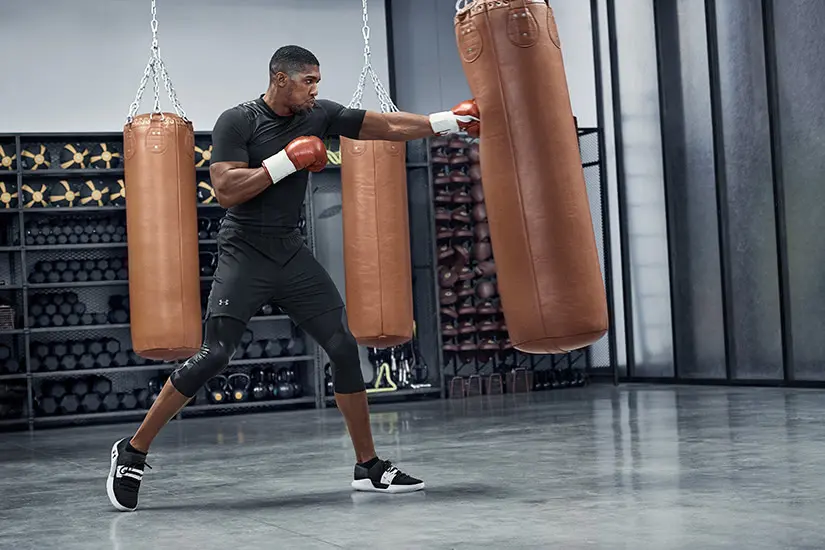
If you spend time in the weight room, your clothing should allow you to squat, press, and pull without restriction.
What to Look For:
- Stretchable fabric – So you can move through deep squats and lunges.
- Secure fit – Not too loose, especially for upper body work.
- Breathability – Gyms can get warm fast.
For men, fitted tanks or performance tees paired with flexible shorts or tapered joggers often work well. For women, supportive sports bras and high-waisted leggings provide stability and confidence during compound lifts.
A practical example: if your shirt rides up every time you bench press, you’ll constantly adjust it instead of focusing on form. Similarly, overly baggy shorts can interfere during deadlifts.
In strength training, stability matters. Clothing that stays in place helps you stay focused.
Running and Cardio: Lightweight and Sweat-Ready
Cardio activities like running, cycling, or HIIT classes require gear that can handle movement and sweat.
Key Features:
- Lightweight materials
- Moisture-wicking fabric
- Minimal seams (to prevent chafing)
For runners, especially outdoors, weather matters. In hot climates, breathable mesh panels and quick-dry fabrics are essential. In cooler weather, layering becomes important. A lightweight long-sleeve over a sweat-resistant base layer helps regulate temperature without overheating.
If you’ve ever done a 5K in the wrong outfit, you know the difference. Heavy fabric sticks. Poor seams rub. Waistbands slide down mid-stride. The right apparel disappears—you barely notice it because it simply works.
HIIT classes add another factor: jumping. Choose bottoms that stay secure during burpees and jump squats. High-impact workouts call for well-fitted pieces that won’t shift every time you move.
Yoga and Pilates: Flexibility and Comfort
Yoga and Pilates focus on controlled movements, stretching, and balance. Your clothing should move like a second skin.
What Works Best:
- Four-way stretch fabric (stretch in all directions)
- Soft, non-abrasive material
- Snug but not restrictive fit
For yoga, long leggings or fitted shorts prevent fabric from sliding during inversions or downward dog. Loose tops can fall over your face during poses, so many prefer fitted or cropped options.
Comfort is key here. If your waistband digs into your stomach during seated twists, you’ll notice it immediately. Smooth, flexible materials make longer sessions more enjoyable.
In slower practices, temperature control matters less than in cardio, but breathability still counts. Look for materials that feel soft against the skin and allow easy movement.
Cross-Training and Functional Workouts: Versatility Is Everything
Cross-training blends strength, cardio, agility, and mobility. Because of this, you need versatile apparel that can handle it all.
Think about a workout that includes rowing, kettlebell swings, sprints, and box jumps. Your clothing must:
- Stretch for lunges
- Stay secure during jumps
- Breathe during intense intervals
- Remain durable under friction
This is where well-designed activewear shines. Many people explore collections on platforms like KEEPTHATPUMP to find versatile pieces built for a range of training styles without sacrificing comfort or style.
Instead of buying separate outfits for each workout type, focus on adaptable gear that transitions smoothly from one movement to the next. It’s similar to how professionals in other industries choose tools: contractors invest in multipurpose equipment to handle a variety of tasks efficiently.
Choosing the Right Fabric: A Simple Breakdown
Let’s simplify fabric choices:
- Polyester blends – Lightweight, durable, moisture-wicking.
- Nylon blends – Smooth, flexible, and often softer.
- Spandex (Elastane) – Provides stretch.
- Cotton – Comfortable but absorbs sweat (better for low-intensity wear).
If you sweat heavily or train intensely, moisture-wicking materials are your best friend. For slower sessions or casual wear, comfort might take priority.
Always check the fabric label. A small percentage of stretch material (like 5–10% spandex) can dramatically improve mobility.
Fit, Function, and Confidence
Fit is more than sizing. It’s about how the garment interacts with your movement.
Ask yourself:
- Can I lift my arms fully without restriction?
- Does this waistband stay in place?
- Do I feel secure during jumps or sprints?
- Am I constantly adjusting it?
Confidence plays a surprising role in performance. When you feel comfortable and supported, you move more freely. It’s similar to wearing a well-tailored suit to a job interview—it changes your posture and mindset.
In the gym, that mindset can mean pushing through one more set or running that extra mile.
Final Thoughts: Dress for the Workout You’re Doing
There’s no universal “perfect” workout outfit. The best choice depends on what you’re doing and how you train.
- Lift heavy? Choose stability and stretch.
- Run far? Go lightweight and breathable.
- Flow through yoga? Prioritize flexibility and comfort.
- Mix it all together? Invest in versatile, durable pieces.
At the end of the day, workout apparel should support your goals—not distract from them. Just as using the right equipment in any profession helps you perform better, stay comfortable, and feel confident, wearing the right gear does the same.
Choose wisely, move freely, and let your clothing work as hard as you do.