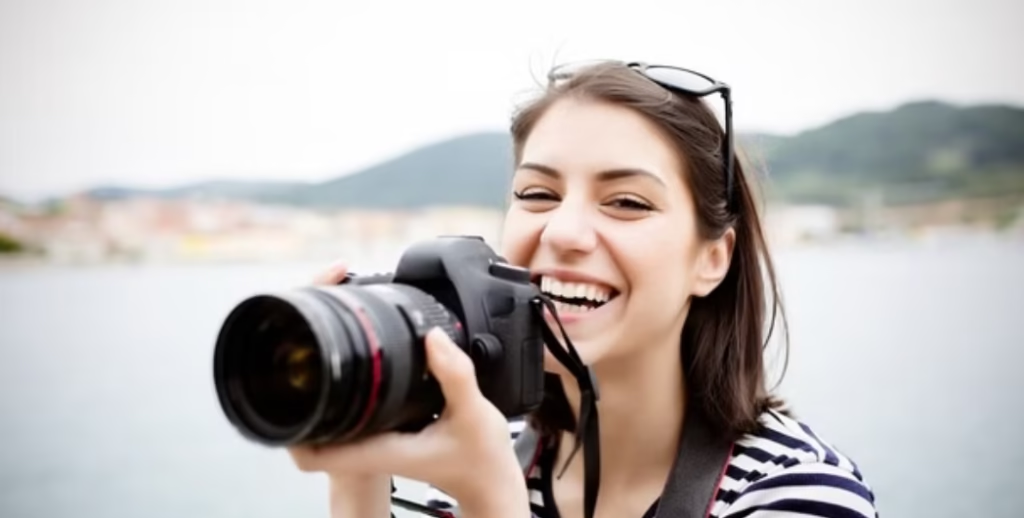
Becoming a photographer is one of those goals that sounds dreamy at first and then quickly becomes very real once you start thinking about cameras, clients, deadlines, and income. The good news is that photography today is more accessible than ever. You do not need to start with the most expensive gear or a formal degree. What you do need is curiosity, consistency, and a willingness to learn as you go.
Photography is both an art and a service. You are creating images, but you are also solving problems for people. Whether it is capturing a wedding day, freezing action at a sports event, or helping a business look professional and trustworthy, your photos have a purpose. That purpose is what turns photography from a hobby into a career.
Learning the Basics Without Overthinking It
Every photographer starts somewhere, and that usually means learning how your camera works. Understanding exposure, aperture, shutter speed, and ISO will give you control over your images instead of relying on automatic settings. You do not need to master everything in a week. Practice is what makes these concepts click.
Lighting is just as important as camera settings. Natural light is a great teacher, especially for beginners. Shooting near windows, outdoors, and during golden hour helps you see how light shapes a subject. Over time, you can add artificial lighting like speedlights or studio strobes, but it is not required to get started.
Editing is another skill you will develop along the way. Programs like Lightroom and Photoshop help you fine tune colors, contrast, and exposure. Editing should enhance your photo, not overpower it. A clean and consistent editing style often looks more professional than heavy filters.
Finding Your Photography Style
At some point, you will notice that you enjoy certain types of photography more than others. This is where style and specialization start to form. Some photographers love working with people, while others prefer products, landscapes, or events. Your style is a combination of what you like to shoot and how you choose to present it.
Looking at other photographers for inspiration is helpful, but copying someone else rarely leads to long term success. Your experiences, preferences, and perspective are what make your work unique. Over time, clients will be drawn to your style because it feels authentic.
Wedding Photography
Wedding photography is one of the most popular and demanding areas of the profession. It combines portrait photography, event coverage, storytelling, and technical skill all in one day. Weddings move fast, and there are no do overs for key moments like the first kiss or the walk down the aisle.
Being a wedding photographer means more than taking beautiful photos. You are managing timelines, calming nerves, and working closely with couples and planners. Strong communication skills are just as important as your camera.
The upside is that wedding photography can be very rewarding, both emotionally and financially. Couples value these images for a lifetime, and referrals are common when clients are happy. If you enjoy working with people and telling stories, weddings can be a great path.
Sports Photography
Sports photography is all about timing, anticipation, and energy. You are capturing peak moments that happen in a fraction of a second. This style of sports photography requires fast lenses, quick reflexes, and a good understanding of the sport you are shooting.
Knowing the game helps you predict where the action will happen next. Whether it is football, hockey, soccer, or basketball, understanding player movement gives you an edge. Sports photographers often work for media outlets, teams, or brands, but freelancers can also find opportunities at local games and tournaments.
The work can be challenging, especially in low light or unpredictable conditions, but it is also exciting. If you love sports and fast paced environments, this niche can be a perfect fit.
Business and Corporate Photography
Business photography is focused on helping companies present themselves professionally. This can include headshots, office environments, team photos, product shots, and branding imagery. These photos are often used on websites, social media, and marketing materials.
Corporate clients value reliability, consistency, and clear communication. They want images that match their brand and appeal to their audience. This type of photography may not feel as artistic as other styles, but it can be very stable and well paying.
If you enjoy structured shoots and working with professionals, business photography can be a smart choice. Many photographers build long term relationships with companies that need regular updates and new content.
Portrait Photography
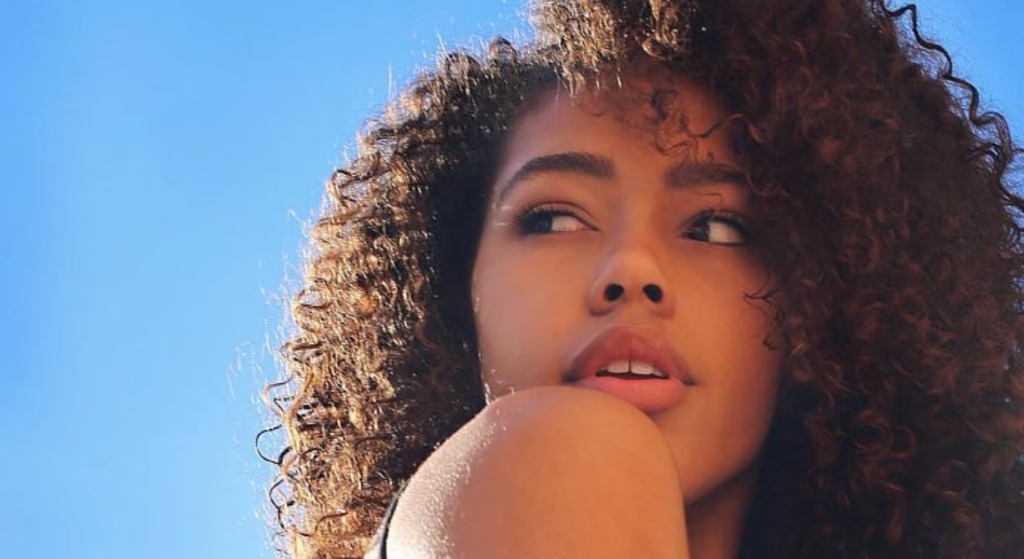
Portrait photography focuses on individuals or small groups. This can include family portraits, personal branding, seniors, or lifestyle sessions. The goal is to capture personality and emotion in a natural way.
Strong people skills are essential here. Making clients feel comfortable in front of the camera leads to better expressions and more genuine photos. Portrait photographers often work in studios, outdoor locations, or clients’ homes.
This type of photography allows for creativity while still being in demand year round. Many photographers combine portraits with other services like weddings or business headshots.
Travel and Lifestyle Photography
Travel and lifestyle photography tell stories about places, experiences, and everyday moments. These images are often used by brands, tourism boards, blogs, and magazines. This field can be competitive, but it is appealing for those who love exploring new environments.
Success in this niche often comes from building a strong online presence and personal brand. Social media, blogging, and consistent publishing help attract attention. While it may take time to generate steady income, travel photography can open doors to unique opportunities.
Building a Portfolio That Gets Attention
Your portfolio is one of the most important tools you have as a photographer. It shows potential clients what you can do and what kind of work you want to attract. Quality matters more than quantity. A small set of strong images is better than dozens of average ones.
When you are starting out, you may need to create personal projects or collaborate with friends and local businesses. This helps you practice and build real world experience. As you grow, update your portfolio to reflect your best and most recent work.
Turning Photography Into Income
Making money as a photographer involves more than taking photos. You need to think about pricing, contracts, marketing, and client experience. Learning basic business skills will save you time and stress in the long run.
Many photographers start part time while working another job. This gives you room to learn and grow without financial pressure. Over time, as your client base grows, photography can become a full time career.
Next steps
Becoming a photographer is a journey, not a quick win. You will learn through practice, mistakes, and real experiences with clients. The field is competitive, but there is always room for photographers who are dedicated, reliable, and passionate about their craft.
If you enjoy creating images that matter to people, photography can be an incredibly fulfilling career. Start where you are, keep shooting, and let your skills grow naturally.