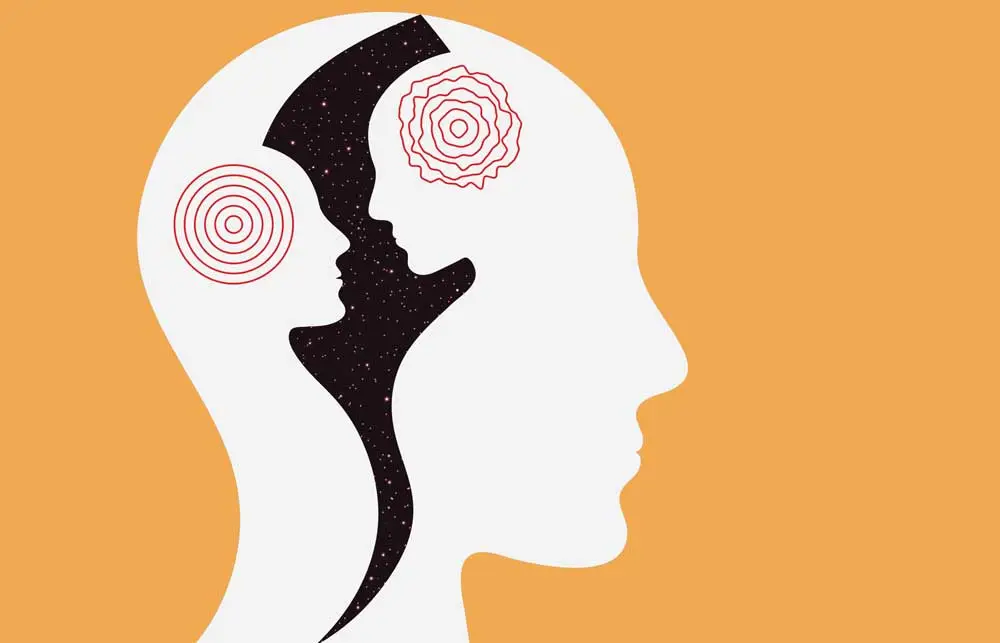
Bipolar disorder is a complicated mental illness that influences how individuals can feel, the level of their energy, and their everyday lives. Such a dramatic change in affection and passion may seem too much to bear, and one can only balance the high and low emotions without the relevant support. Naturally, however, people do not have to suffer with the symptoms with proper attention and instructions, they may live ga ood life.
To individuals who want an orderly, yet caring and understanding approach, the bipolar disorder care California offers an opportunity to have individualized treatment programs that would achieve stability and long-term wellness. Through a combination of treatment, medication, and lifestyle interventions, it is possible to start getting under control again, and a healthier future can be developed.
Understanding Bipolar Disorder
Bipolar disorder is marked by great changes in mood that involve both the manic and depressive moods. At the manic stage, the sufferers can be extremely energetic, confident, or impulsive. On the other hand, the depressive episodes are normally associated with sadness, no energy, and a lack of interest in day-to-day activities. These mood changes are greater than usual emotional changes, which may last days and even weeks. Bipolar disorder may interfere with relationships, work, and the quality of lifeife it is not properly taken care of. It is important to treat the condition at its early stages.
The Dynamism of Professional Care.
Bipolar disorder does not need frequent support. It is a consistently attentive practice and a form of systematic treatment. Professional care stresses that one gets proper diagnosis, treatment, and regular follow-ups. Mental health workers offer preaching to make people aware of what is taking place in them and work out strategies to cope with the symptoms. Such systematic help is essential to find some balance and avoid relapse.
Detailed Examination and Evaluation.
Treatment of bipolar disorder should start with a good evaluation. Mental health practitioners review the medical history of a person, the symptoms of the individual, and other contributory factors. It is vital to make an accurate diagnosis since bipolar disorder may be confused with other mental health disorders. Diagnosis can be used to develop an entirely focused treatment plan that will address the needs of such an individual.
Evidence-Based Therapy Approaches
One of the foundations of bipolar disorder treatment is therapy. The aim of cognitive behavioral therapy is to bring out the bad thought patterns of an individual and replace them with healthier thoughts. The method will help to minimize the severity of mood swings and enhance emotional control. Another important and valuable part is psychoeducation because it assists individuals in becoming aware of their condition and the early signs of mood changes. Through this understanding, one can take affirmative actions in order to be stable. Interpersonal therapy is also involved, and this enhances communication skills and strengthens relationship which tend to get weak as a result of the bipolar disorder.
Medication Management
The treatment of bipolar disorder frequently includes medication. Antipsychotic drugs, mood stabilizers,s and other prescriptions assist in stabilizing the brain chemistry and decreasing the rate of mood episodes. Mental health practitioners are very vigilant about drug usage so that they can be effective and have minimal side effects. Medication in conjunction with therapy may result in improved overall outcomes and quality of life. It is imperative to learn how to relinquish stress and emotions to cope with bipolar disorder. Strategic programs about treatment are centered on providing practical skills to people, helping them to be stable daily. The strategies could consist of routine amicable, mindfulness, and physical exercises. The second way is to recognize triggers and work on healthy reactions, which can possibly make people more effective in controlling the changes in their moods.
Addressing Co-Occurring Conditions
Bipolar disorder usually appears in combination with other mental problems, including anxiety or substance abuse problems. The treatment of these co-occurring conditions is crucial for holistic treatment. Comprehensive treatment methodologies are the ones that guarantee simultaneous consideration of every problem that concerns the mental state of a person. This is holistic, and a more effective and long-lasting recovery can be achieved. The personal support of family, friends, and peers is important in the management of bipolar disorder. With a solid support network, there will be encouragement, understanding, and accountability. The peer support programs and group therapy are also viable platforms of connection. I can feel isolated and be depressed when I can see other people are experiencing the same struggles as I am, and feel like part of a community.
Building Emotional Resilience
Emotional resilience refers to an aptitude to respond to difficulties and overcome disasters. Bipolar disorder management aims at building resilience by enhancing self-awareness and skill enhancement. People learn to identify the symptoms of mood swings early and take some active measures to attain a better state. Such skills help to increase confidence in the long term and improve emotional well-being. Mental health requires a healthy lifestyle. The treatment programs allow the individuals to focus on self-care and ensure that they have routines that help them to be stable. Emotional well-being can be enhanced markedly by such healthy habits as regular sleep, healthy nutrition, andexercises. Being productive and realistic about your goals also helps give a person a sense of purpose and fulfillment.
The crisis lasts long enough to need to prepare in advance to recover.
Treating the bipolar disorder is a lifelong process that is to be supported by efforts. To preparefor long-termm recovery, one should prepare strategies to stay stable and avoid long term relapse. In aftercare, it is possible to involve follow-up therapy and the use of support groups, regular check-ins with mental health professionals. With these resources, one will have constant assistance and encouragement in their recovery goals. Being a bipolar disorder patient is not the easiest way to live, yet one must keep in mind that he/she can make it. When a patient is properly taken care of, symptoms can be controlled and be able to lead a better life and be steadily held on. Having the confidence that it is possible to overcome them is one of the essential components of the healing process. By receiving regular care and assistance, the future of long-term wellbeing can be properly established.
Principles of Economic Stability: the First Step.
One of the most significant steps in dealing with bipolar disorder is to seek help. Through professionalism and personal approach, one can overcome and gain control over his/her life again.
Using bipolar disorder care in California, the client gets compassionate care, evidence-based care, and practical measures towards long term success. Treat Mental Health California will strive to ensure that people become emotionally level, gain resilience, and establish a healthier future.