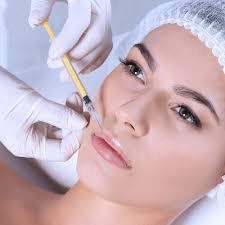
Modern aesthetic medicine has expanded far beyond facial treatments, offering non surgical options for enhancing body shape and symmetry. At the center of this evolution are Body Fillers, which allow medical professionals to contour, restore volume, and improve proportions without invasive surgery. These treatments appeal to patients who want visible improvement with controlled results, shorter recovery time, and a focus on safety.
Body contouring with injectables focuses on restoring or adding volume in areas where fat loss, aging, or genetics affect shape. Unlike surgical implants, injectable solutions allow gradual enhancement and precise adjustment. This makes them suitable for patients who prefer subtle changes that align with their natural anatomy.
What Body Contouring Fillers Are Designed to Do
Injectable body contouring solutions are formulated to add structure, support tissue, and improve surface appearance. They work by occupying space beneath the skin while stimulating collagen or supporting existing tissue. The goal is balance, not exaggeration.
Common treatment areas include the hips, buttocks, thighs, calves, and hands. Some patients also seek correction of asymmetry or contour irregularities caused by weight changes or aging. Each treatment plan depends on anatomy, skin quality, and realistic expectations.
How These Fillers Work in the Body
Most body contouring injectables are based on biocompatible substances that the body can gradually break down. Once injected, the material integrates with surrounding tissue and provides immediate volume. Over time, some formulations also encourage collagen production, which improves firmness and texture.
The controlled breakdown process allows results to fade naturally rather than abruptly. This gradual change helps patients maintain a consistent appearance and decide when touch ups are appropriate. It also reduces the risk of sudden volume loss.
Safety Starts With Product Quality
Safety depends heavily on product quality and proper use. Medical grade injectables undergo testing for purity, consistency, and performance. These standards help reduce risks such as inflammation, migration, or uneven results.
Licensed professionals understand injection depth, vascular anatomy, and dosage control. This knowledge is critical when treating larger body areas, where precision protects both appearance and health. Proper technique minimizes complications and improves patient comfort.
Patient Selection and Consultation
Not every patient is a candidate for injectable body contouring. A thorough consultation ensures that expectations align with what injectables can realistically achieve. Patients with severe skin laxity or very large volume goals may require alternative approaches.
During assessment, practitioners evaluate skin thickness, elasticity, and underlying structure. Medical history also matters. Conditions affecting healing or circulation may influence treatment decisions. Honest guidance builds trust and leads to better outcomes.
Longevity of Results
Results vary based on product type, treatment area, metabolism, and lifestyle. Some injectable solutions maintain visible improvement for many months, while others may last longer when combined with collagen stimulation. Areas with less movement tend to hold results longer than high motion zones.
Maintenance treatments help preserve shape over time. Because changes are gradual, patients can plan follow ups without sudden shifts in appearance. This long term approach supports natural looking enhancement.
Comfort and Recovery
One advantage of injectable body contouring is minimal downtime. Most patients return to daily activities quickly, with only mild swelling or tenderness. Practitioners often recommend avoiding pressure or intense exercise for a short period to allow proper integration.
Discomfort is usually manageable and brief. Many products include anesthetic components or are used with topical numbing. Clear aftercare instructions further reduce risk and support smooth recovery.
Managing Expectations
Clear communication prevents disappointment. Injectable contouring improves shape and proportion, but it does not replace weight loss or surgical reshaping. Patients seeking refinement rather than dramatic transformation are usually the most satisfied.
Progress photos and realistic explanations help patients understand gradual improvement. When expectations are aligned, satisfaction rates increase and long term relationships develop.
Why Professional Technique Matters
Body treatments require different skills than facial injections. Larger surface areas, deeper placement, and higher volumes demand experience and anatomical knowledge. Small errors can affect symmetry or texture.
Professionals trained in body contouring understand how to layer product, distribute volume evenly, and avoid sensitive structures. This expertise protects both aesthetic results and patient safety.
In the middle of modern aesthetic practice, Body Fillers have become a reliable option for non surgical body enhancement when used responsibly and skillfully. Their effectiveness depends not only on the product but on the professional delivering the treatment.
Ethical Practice and Patient Trust
Ethical practice means recommending treatments that truly benefit the patient. Overcorrection or unnecessary volume can damage trust and outcomes. Responsible providers focus on balance, proportion, and long term satisfaction.
Using approved products and clear consent processes reinforces professionalism. Patients feel safer when they know their provider prioritizes health over trends. This trust supports practice growth through referrals and repeat visits.
Combining Treatments for Better Results
Injectable contouring often works best as part of a broader plan. Skin tightening treatments, weight management, or collagen stimulating therapies can enhance final results. Combining approaches allows customization without excess volume.
Practitioners tailor plans based on goals, timeline, and budget. This flexible strategy supports natural improvement and patient confidence.
The Future of Non Surgical Body Contouring
Innovation continues to refine injectable solutions. New formulations aim for better integration, longer duration, and improved texture. As techniques evolve, safety protocols remain essential.
Patients increasingly seek treatments that fit into busy lives with minimal interruption. Injectable contouring meets this demand by offering controlled change with predictable recovery.
Conclusion
Non surgical body contouring has become a trusted option for patients seeking shape enhancement without surgery. Success depends on quality products, skilled technique, and realistic planning. When delivered responsibly, injectable solutions offer lasting improvement with a strong safety profile.
As aesthetic medicine advances, injectable body contouring remains a practical choice for those who value subtle enhancement, professional care, and long term confidence in their appearance