Buying a home involves several essential steps to secure your investment and protect your family. One of the most essential ones is the fact that you will have to ensure that its electrical components are safe and can meet the needs of modern power requirements. An electrical safety inspection is essential in helping you identify any potential dangers that might end up becoming costly repairs and detrimental safety hazards in the future.
Most people who want to make a purchase tend to overlook this process because they assume the house is in good condition. Not completing this assessment may pose serious financial and health risks. Homebuyers should feel content and confident about investing in a house that has adhered to standard electrical requirements and has met adequate electricity standards.
This assessment provides clarity and comfort in a situation that can be very overwhelming. Additionally, even new homes may develop wire malfunctions, which only a professional eye can recognize and correct.
1. Identifying Outdated or Faulty Wiring
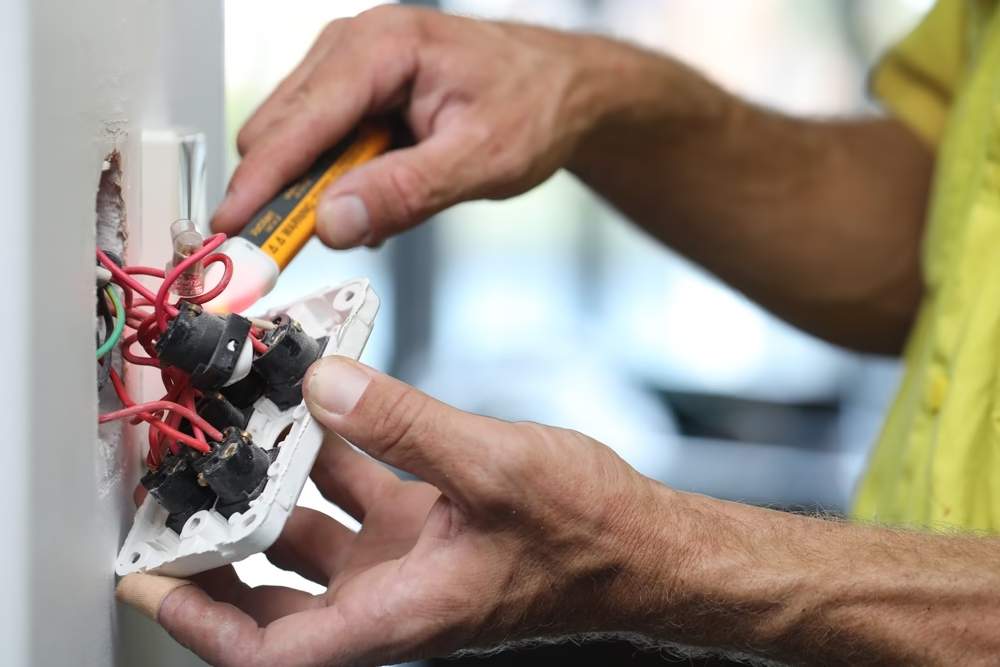
In older homes, aluminum wiring, knob and tube wiring, or decaying insulation may still be present and not visible behind the walls. Improper wiring leads to a potential hazard of electrical fire and power failure. The wiring will be evaluated to ensure that it meets modern safety standards.
In some cases, the wiring may have been installed incorrectly or done so by someone who is not qualified. Inspectors may pick up on warning signs before you make a final purchase. This will give you a chance to negotiate with the seller about repairs before you have to pay for them.
2. Preventing Electrical Fires & Shock Hazards
Among the top causes of fires in houses are electrical problems. Through an inspection, one can identify possible fire risks emanating from electrical connections that are not properly connected or overloaded breakers. These risks are usually missed in the course of conducting a typical home inspection.
Shock hazards can also exist around outlets, appliances, or in areas where moisture is likely to accumulate. Grounding systems are inspected to ensure proper operation. This means your family will not have to worry about accidents you can prevent once you have moved in.
3. Ensuring Adequate Capacity for Modern Living
Today’s home requires much more technology than what home builders designed decades ago. The electrician determines what the panel can accommodate regarding air conditioning, EV charging, home offices, and home entertainment. If the home electrical panel is not sufficient, upgrades are necessary.
Inspectors review whether electrical outlets are evenly distributed and protected effectively. Additionally, inspectors check if GFCIs and AFCIs are installed in their recommended locations. These are modern safety devices that prevent overload and short circuits caused by daily use.
4. Identifying Hidden Problems Before They Become Costly Repairs
Many electrical problems are hidden away behind walls and in inaccessible areas. Without an evaluation of the property, it’s likely that many will not know anything is amiss until a breakdown occurs. This can go a long way in terms of cost savings when the system needs to be upgraded or when there are components that need to be replaced. This will also help avoid situations where there are disruptions when repairs are done when the need arises.
When one chooses to work with a professional from an electrical company in Richardson, TX, they will be able to get a fair quote for any repairs that need to be done
5. Protecting Home Value and Supporting Negotiations
An electric system that is safe enhances the long-term value that you invested in. Problems pointed out by the inspection exercise mean that the buyers will require the sellers to offer concessions or organize improvement works that enhance the saleability of the property.
Homes with old electrical systems have trouble selling. It is essential to fix problems from the start to ensure your home remains future-proof and attractive. This gives you financial security and peace of mind, knowing your home is safe.
Conclusion
When you skip an electrical inspection during the purchase of a home, you may risk not only your safety but also your finances. Inspections will indicate the ability of the electrical system to support your lifestyle. It will also ensure that the electrical system is up to date. When it comes to a home and a family, you should never think about safety.
.
FAQs
1. Is the electrical safety check needed when the residence has previously passed a home inspection?
Yes. Home inspectors examine only visible problems, while electrical experts check the wiring, panels, grounding, and hidden sections. They point out potential dangers that may be overlooked in typical home inspections.
2. How long does an electrical inspection take?
The average inspection takes one to three hours, depending on the size of the house. The electrician will give an explanation of the results and suggest any repairs that may be needed.