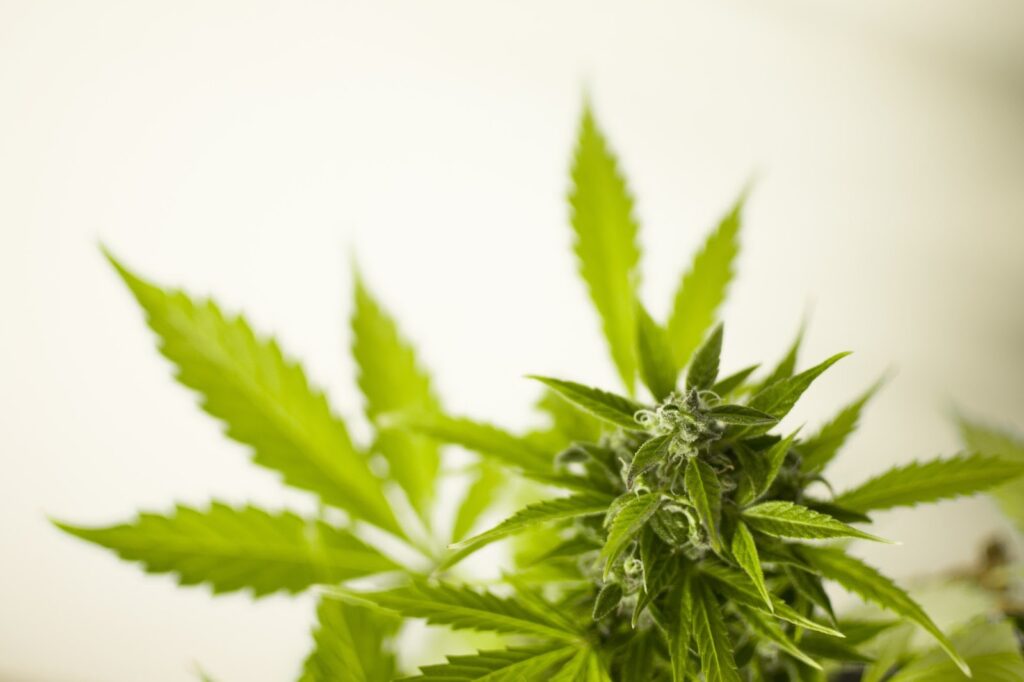
Over the last few years, Charleston’s relationship with cannabis has quietly shifted from curiosity to cautious mainstreaming. Where conversations once centered on legality and stigma, locals now ask practical questions, such as what kinds of products are available, how they differ, and where to find clear, trustworthy information. That change is grounded in two things: statewide policy and a maturing retail environment. West Virginia’s medical cannabis program has been operating since 2021, and the local market, including Charleston, has been steadily adding retail options and patient resources. This piece explains the products and trends people are actually buying, what to watch for when shopping locally, and how Charleston compares to other emerging markets.
How the local market got here
West Virginia legalized medical cannabis in 2017, and the state’s Office of Medical Cannabis began licensing and opening dispensaries in 2021. Since then, the program has shown steady growth, with statewide retail and wholesale sales rising from very small figures in 2021 to multiple millions by late 2023, reflecting both increasing patient registration and broader product availability. Nationally, the U.S. cannabis industry also grew, with 2024 sales across medical and adult-use markets increasing year-over-year, and analysts forecasting continued growth into 2025. Those national trends help explain why Charleston, a mid-sized city, is seeing more visible retail activity and consumer interest.
What products you’ll actually see in Charleston dispensaries
Charleston customers are now encountering a more diverse set of product categories than a few years ago. One of the best Charleston cannabis store, The Landing Dispensary menu includes:
- Hemp-derived extracts and CBD products, including oils, tinctures, gummies, and topical balms, usually marketed as wellness or lifestyle items rather than medical treatments
- Medical cannabis flower and pre-rolls, where permitted under WV regulations, from state-approved producers
- Vape cartridges and pens, popular for convenience, but shoppers should pay attention to ingredient and testing information
- Edibles and capsules, valued for discreet dosing and variety of formats
- Topicals and transdermal formats, non-intoxicating options intended for localized application
Packages that list cannabinoid content and link to a certificate of analysis (COA) are becoming the norm. COAs show lab testing that verifies potency and checks for contaminants. If a product doesn’t come with a lab report or batch number, steer clear. Local dispensary menus, including Charleston locations, commonly display those lab links online or provide them on request.
What Charleston shoppers are asking for (real trends)
From conversations with local staff and public menus, several consumer trends stand out in Charleston:
- Transparency is table stakes. Shoppers want clear COAs, full ingredient lists, and clear labeling, such as THC/CBD content and serving sizes. Retailers that provide that information earn repeat business.
- Non-inhalable formats are growing. Edibles, tinctures, and topicals are attracting attention as alternatives to smoking, a pattern seen nationwide and locally.
- Interest in minor cannabinoids and terpenes. Beyond THC and CBD, customers increasingly ask about CBG, CBN, and terpene profiles when choosing strains or products. This reflects a more educated buyer base.
- Convenience and access matter. People appreciate accessible hours, reliable online menus, and friendly staff who can explain product formats without overselling or making health claims. Local dispensaries in and around Charleston have expanded hours and online ordering to meet that need.
Practical guidance: how to shop smarter in Charleston
Whether you’re new to dispensaries or returning after a long break, these practical steps will save time and help you make safer choices:
- Know the rules. West Virginia’s program has specific rules about who can buy, what’s allowed, and monthly purchase limits. Don’t assume federal or out-of-state protections apply, always check the state Office of Medical Cannabis for the latest.
- Ask for lab reports (COAs). A trustworthy retailer should provide third-party testing that lists cannabinoid potency and confirms the product is free of pesticides and heavy metals
- Start low and go slow with doseable formats. Edibles and tinctures can feel different from inhaled products. Wait the recommended time for edibles before repeating a dose
- Prioritize reputable retail practices. Knowledgeable staff, clear labeling, and a tidy retail space are signs the dispensary takes compliance and customer education seriously. Local Charleston stores have improved signage and online menus to reflect this professionalization.
If you want to see local options, a Charleston cannabis store such as The Landing Dispensary lists hours and menus for its MacCorkle Avenue location and provides online ordering and patient intake resources. This kind of transparent store page is exactly what to look for when choosing a local retailer.
How Charleston stacks up vs. other emerging markets
Charleston isn’t a large metropolitan market, but it’s following a familiar arc: initial regulatory framework, early retail entrants, slow, steady consumer education, and expanding product variety. Compared with faster-moving adult-use states, the pace here is steadier and more education-driven. That’s a positive for shoppers who prefer cautious, well-documented rollouts rather than flash growth. As the state refines its program, local retailers that emphasize testing, clear labeling, and patient education will likely be the long-term winners.
Compliance & safety: the things no retailer should promise
A final note on language and claims: reputable Charleston retailers avoid making medical promises. Marketing should remain factual and compliant, share lab results, explain product formats, and offer dosing guidance, but do not claim cures or guaranteed medical effects. Consumers should also be mindful that cannabis remains federally controlled, and laws around employment, firearms, and travel can differ from state to state. For the most recent regulatory guidance, check the state Office of Medical Cannabis.
Bottom line
Charleston’s cannabis landscape is quietly maturing. You’ll find more product variety than a few years ago, clearer labels and test results on reputable menus, and a shopper base that asks better questions. If you’re curious, take an educational approach, read COAs, ask staff for specifics, and focus on retailers that prioritize transparency and patient education. That combination, better information plus responsible retail, will keep the city’s market healthy and useful for residents over the long term.