Accounting firms operate in a highly detail-oriented and time-sensitive environment. From managing financial records and tax filings to handling client communication and compliance requirements, the workload can quickly become overwhelming—especially as the firm grows. This is where a client portal for accounting firms becomes not just useful, but essential.
Traditional methods of communication—emails, spreadsheets, and scattered document sharing—are no longer efficient. They create confusion, increase the risk of errors, and make it difficult to track progress. Clients expect transparency, quick responses, and secure handling of sensitive financial information.
A client portal provides a centralized system that brings structure to these processes. It allows accounting firms to streamline operations, improve client experience, and scale their services without increasing complexity.
What Is a Client Portal for Accounting Firms?
A client portal for accounting firms is a secure online platform that enables accountants and their clients to interact, share documents, and manage financial workflows in one place.
Unlike traditional communication methods, a client portal offers a structured environment where everything is organized and accessible. Clients can upload documents, track progress, and communicate with their accountants without relying on multiple tools.
For accounting firms, this means better control over workflows, improved efficiency, and reduced administrative burden.
Why Accounting Firms Need a Client Portal
Accounting firms deal with sensitive information, strict deadlines, and high client expectations. Managing all of this manually is not only inefficient but also risky.
A client portal addresses these challenges by centralizing communication and ensuring that all data is handled securely. It reduces the need for back-and-forth emails and minimizes the chances of missing important information.
As firms grow, the volume of clients and data increases. Without a proper system, managing this complexity becomes difficult. A client portal provides the structure needed to handle growth effectively.
Key Features of a Client Portal for Accounting Firms
A well-designed client portal includes features that are specifically tailored to the needs of accounting professionals.
Secure Document Sharing
One of the most critical features is the ability to share sensitive financial documents securely. Clients can upload files, and accountants can access them without relying on email attachments.
Real-Time Communication
Built-in messaging systems allow for direct communication between accountants and clients, ensuring that all conversations are documented and easily accessible.
Task and Workflow Management
Accounting tasks often involve multiple steps and deadlines. A client portal helps track progress, assign tasks, and ensure that everything stays on schedule.
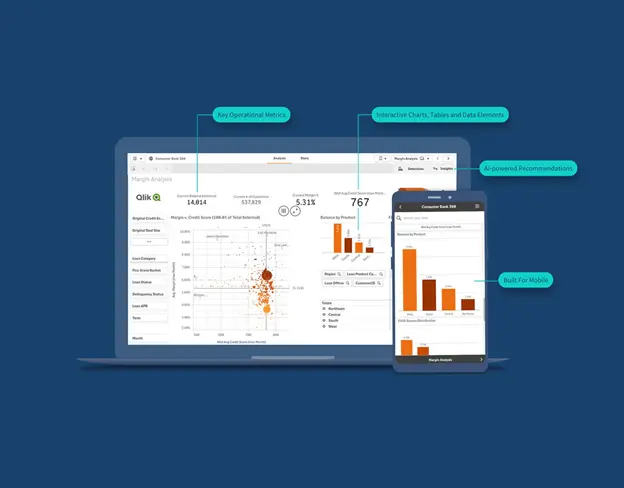
Financial Reporting and Dashboards
Clients can access real-time financial data and reports through the portal, improving transparency and trust.
Role-Based Access Control
Different users have different permissions, ensuring that sensitive information is only accessible to authorized individuals.
Benefits of Using a Client Portal
Improved Client Experience
Clients appreciate having a single place where they can access information, upload documents, and communicate with their accountant.
Increased Efficiency
Automation and centralized systems reduce manual work, allowing firms to focus on higher-value tasks.
Enhanced Security
Secure portals protect sensitive financial data, reducing the risk of breaches.
Better Organization
All documents, communications, and tasks are stored in one place, making it easier to manage workflows.
Scalability
As the firm grows, a client portal helps manage increased workloads without adding complexity.
How a Client Portal Transforms Accounting Workflows
A client portal changes how accounting firms operate on a daily basis.
Instead of chasing clients for documents, firms can set up automated reminders and workflows. Clients receive notifications and upload required files directly into the system.
Communication becomes more structured. Instead of searching through email threads, all messages are stored in one place.
Reporting also becomes more efficient. Clients can access financial data in real time, reducing the need for manual updates.
This transformation leads to faster processes, fewer errors, and better overall efficiency.
Common Challenges Without a Client Portal
Accounting firms that do not use a client portal often face several issues.
Miscommunication is a major problem. Important details can get lost in emails, leading to delays and errors.
Document management becomes chaotic, with files scattered across different platforms.
Manual processes increase workload and reduce productivity.
Clients may feel disconnected due to lack of transparency and delayed responses.
These challenges can limit growth and affect client satisfaction.
Choosing the Right Client Portal Solution
Selecting the right client portal is crucial for achieving the desired results.
Custom vs Off-the-Shelf Solutions
Off-the-shelf solutions are quicker to implement but may lack flexibility.
Custom solutions are tailored to the specific needs of the firm, offering better scalability and integration.
Key Considerations
When choosing a client portal, firms should consider:
- Security features
- Ease of use
- Integration with existing systems
- Scalability
- Customization options
A solution that aligns with the firm’s workflow will deliver the best results.
The Role of Automation and AI
Automation and artificial intelligence are enhancing client portals by making them smarter and more efficient.
Automation handles repetitive tasks such as reminders and document requests.
AI can analyze financial data, generate insights, and improve decision-making.
These technologies reduce manual effort and improve overall efficiency.
The Future of Client Portals in Accounting
Client portals will continue to evolve with advancements in technology.
Future developments include:
- More advanced analytics and reporting
- Greater automation
- Enhanced user experience
- Integration with other business systems
These innovations will make portals even more essential for accounting firms.
Why Client Portals Are a Competitive Advantage
In a competitive market, client experience is a key differentiator.
A client portal provides:
- Transparency
- Efficiency
- Professionalism
- Better communication
These factors contribute to higher client satisfaction and retention.
Conclusion
A client portal for accounting firms is no longer a luxury—it is a necessity for modern operations. By centralizing communication, automating workflows, and improving security, it enables firms to operate more efficiently and deliver better services.
As accounting firms continue to grow and adapt to changing client expectations, having a structured system in place becomes critical. A well-designed client portal not only simplifies operations but also strengthens client relationships and drives long-term success.
In the end, firms that invest in the right systems will always have an edge over those that rely on outdated processes.