In Orlando, property damage claims are part of life. Heavy storms, high winds, sudden roof leaks, and water intrusion are familiar challenges for homeowners across Central Florida. While many insurance claims move forward without major issues, others result in settlements that fall short of the actual cost to repair the damage.
For homeowners, the frustration often begins when a check arrives that doesn’t cover what contractors say is necessary. Understanding how and why claims sometimes become underpaid can help policyholders better navigate the process.
Why Property Damage Claims Are Frequently Disputed in Florida
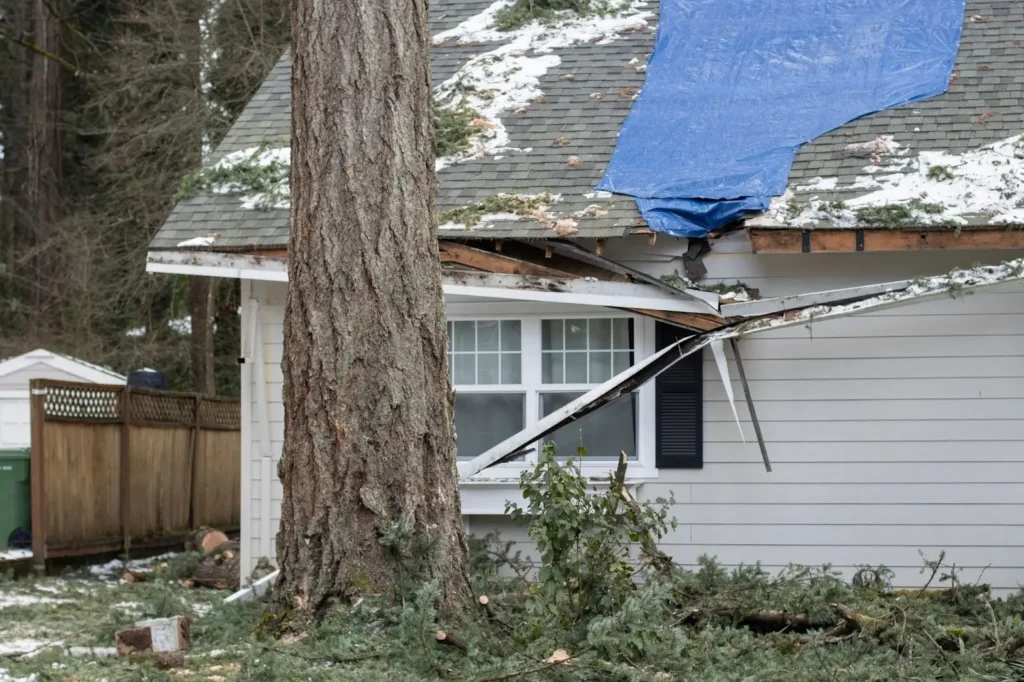
Florida sees one of the highest volumes of property insurance claims in the country. Orlando’s exposure to hurricanes, tropical storms, and intense seasonal weather contributes to a steady flow of roof and water damage claims. When settlement numbers don’t align with real-world repair costs, many homeowners start looking into whether a property damage attorney in Orlando can help them understand what went wrong and what options may exist.
Insurers, facing rising claim frequency and repair costs, tend to scrutinize losses. At the same time, policies can contain detailed exclusions, endorsements, and coverage limitations that are not always easy to interpret. When there is disagreement over how a policy applies or how damage occurred, disputes can quickly develop.
In many cases, the disagreement isn’t about whether damage exists — it’s about how much the insurer believes it owes.
Narrow Interpretations of Policy Language
One common issue involves how policy language is applied. Insurance contracts often contain exclusions for wear and tear, deterioration, or long-term damage. When a homeowner submits a claim for roof damage after a storm, for example, the insurer may argue that some of the issues stem from age rather than a covered event.
Because policies are dense legal documents, small wording differences can significantly impact coverage. If an insurer interprets ambiguous language narrowly, it may reduce payment based on what it considers non-covered conditions. For homeowners unfamiliar with policy interpretation, it can be difficult to determine whether that reduction is justified.
Disputing the Cause of Damage
In Orlando, determining the cause of damage is often central to a claim. Was the roof damaged by wind during a storm? Or was it gradual deterioration? Did water intrusion result from a sudden event, or from long-term maintenance issues?
When insurers attribute damage to excluded causes, such as neglect or pre-existing conditions, claim payouts can be reduced or denied altogether. These disputes frequently arise in roof and water damage cases, where the line between sudden and gradual damage may not be obvious.
Low Initial Repair Estimates
Another factor that can lead to underpayment is the insurer’s initial estimate. Insurance adjusters typically inspect the property and generate their own repair assessment. In some cases, homeowners later discover that contractor estimates are significantly higher.
Differences can stem from material pricing, labor costs, or the scope of repairs included. An estimate that covers only visible damage, for instance, may not account for hidden structural issues or underlying water intrusion. When the insurer relies solely on its own assessment, the resulting payment may not reflect the true cost of restoring the property.
Delays That Create Settlement Pressure
Delays can also affect outcomes. Prolonged investigations, repeated documentation requests, or extended communication gaps may leave homeowners in a difficult financial position. When repairs are urgent and living conditions are impacted, some property owners may feel pressured to accept a lower settlement simply to move forward.
While insurers are permitted to investigate claims, Florida law imposes certain obligations regarding timely claim handling. Understanding those timelines is important when evaluating whether a delay is reasonable.
Partial Approvals and Overlooked Damage
In some situations, insurers approve part of a claim but deny other components. For example, they may agree to pay for shingle replacement but decline coverage for interior water damage they believe is unrelated.
This piecemeal approach can result in a settlement that appears substantial at first glance but fails to address the full extent of the loss. Hidden damage, particularly in cases involving water intrusion, may not become apparent until repairs are underway.
Strengthening a Property Damage Claim
Homeowners can take steps to reduce the risk of underpayment. Promptly documenting damage with photographs and videos is critical. Obtaining independent contractor estimates can also provide a clearer picture of repair costs. Keeping records of all communications with the insurer helps preserve a timeline of events.
When disagreements arise, some homeowners choose to seek guidance from a property damage attorney in Orlando to better understand their rights and options. Legal review can clarify whether a reduction is supported by policy language or whether further action may be appropriate.
Understanding Policyholder Rights
Florida insurance law includes a duty of good faith, meaning insurers must evaluate claims fairly and in accordance with the policy. When significant disputes occur over valuation, coverage, or claim handling, legal remedies may be available.
Firms such as Your Insurance Attorney focus on representing policyholders in these types of disputes. Their work typically involves examining policy language, reviewing repair estimates, and challenging claim determinations when appropriate.
Final Thoughts
Underpaid property damage claims in Orlando often stem from policy interpretation disputes, cause-of-loss disagreements, or differences in repair valuation. While not every reduced settlement reflects improper conduct, homeowners should understand how these outcomes occur.
By staying informed, documenting losses carefully, and reviewing policy terms closely, property owners can approach the claims process with greater awareness. In a region where severe weather is a recurring reality, that knowledge can make a meaningful difference when the unexpected happens.