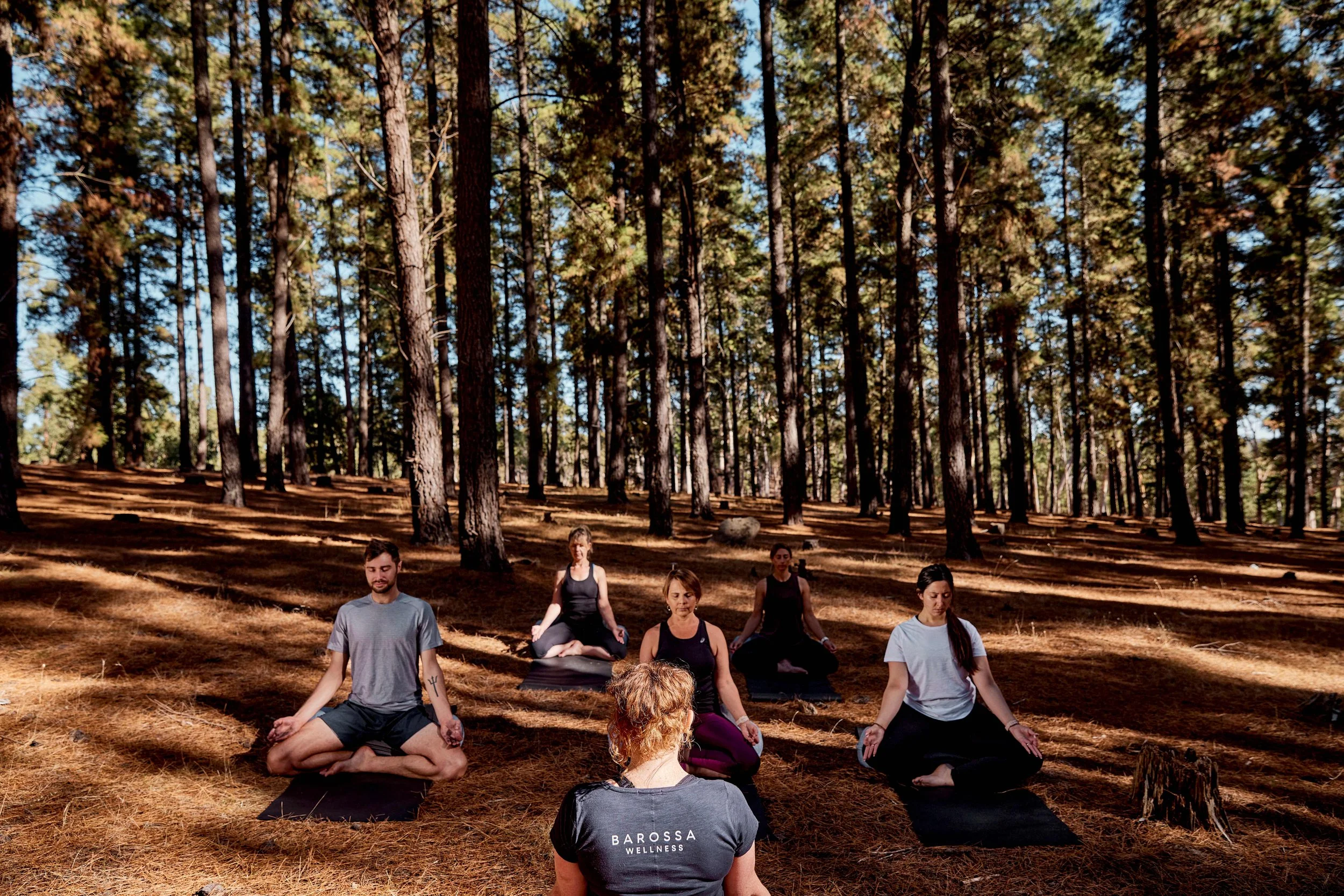
Corporate travel is shifting away from traditional hotel conference rooms and standard business trips. Increasingly, organisations are seeking environments that encourage collaboration, creativity and genuine team connection. This is where corporate retreats in the Barossa Valley offer a different kind of experience—combining space, privacy and a more natural way of working together.
Rather than formal boardroom settings, teams are now selecting residential-style spaces where work and connection happen more fluidly.
Why corporate retreats are evolving
Modern workplace culture has changed how teams come together. With hybrid and remote work now common, in-person gatherings are less about routine meetings and more about focused collaboration.
Companies are using offsite retreats to:
- Strengthen team relationships
- Encourage creative thinking
- Improve communication
- Reset focus outside the office environment
As a result, organisations are moving away from short hotel-based sessions towards shared stays that allow teams to work and live in the same space.
Why space matters in team environments
A key advantage of dedicated retreat accommodation is the flexibility of the environment.
Unlike traditional venues, purpose-built group stays provide:
- Multiple breakout areas
- Large communal dining and meeting spaces
- Informal lounge zones
- Outdoor areas for discussion and downtime
- Flexible layouts for different group activities
This allows teams to move easily between structured work and informal interaction without changing location.
How the Barossa Valley supports corporate stays
The Barossa Valley provides a regional setting that supports focus and connection. Its location offers space away from city distractions while remaining easily accessible from Adelaide.
For corporate groups, this creates opportunities to:
- Run workshops in a focused environment
- Hold informal discussions throughout the day
- Use shared experiences to strengthen working relationships
- Balance structured sessions with downtime
Local dining and winery experiences can also support informal team interaction outside scheduled activities.
Structuring work and downtime effectively
Successful corporate retreats are built around a balance between productivity and connection.
A typical flow often includes:
- Morning workshops or strategy sessions
- Afternoon collaboration or group activities
- Shared meals that encourage conversation
- Evening downtime for informal interaction
This rhythm supports both focus and team cohesion without relying on rigid schedules.
Accommodation designed for corporate groups
High-quality corporate retreats in the Barossa Valley are designed to accommodate larger teams in a shared environment.
Key features typically include:
- Multi-space layouts for larger groups
- Connected accommodation zones for flexibility
- Large communal living and dining areas
- Fully equipped kitchens
- Indoor and outdoor entertaining spaces
This setup allows teams to stay together while still having room for different activities and group sizes.
Catering and operational support
To support corporate stays, many retreats provide tailored catering options designed for group requirements.
These often include:
- In-house catering by local chefs
- Customisable menus
- Shared dining experiences
- On-site meal service for convenience
This helps reduce logistical planning so teams can focus on their objectives.
Conclusion
Corporate retreats are evolving beyond traditional meeting spaces into shared environments that support both work and connection.
The Barossa Valley offers a strong regional setting for this shift, with space, flexibility and a calm environment that suits team-based experiences. For organisations looking to improve collaboration and strengthen internal relationships, corporate retreats in the Barossa Valley provide a practical and effective alternative to conventional business travel.