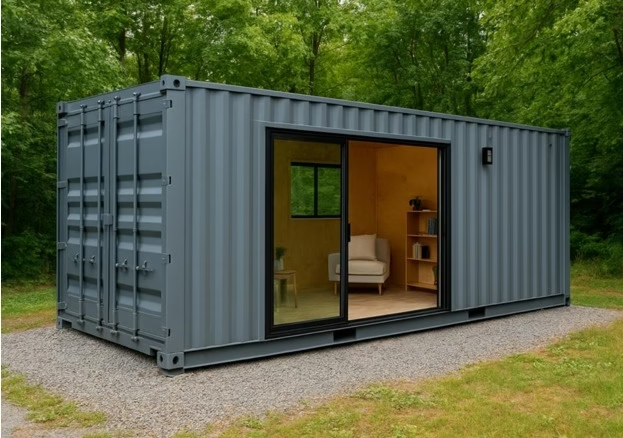
When people think of a shipping container, the first image that often comes to mind is a steel box stacked at a port or used for basic storage. Yet over the last decade, these industrial structures have quietly entered everyday life in surprising ways. From personal retreats to functional workspaces, containers are increasingly being adapted to support modern lifestyles that value flexibility, efficiency, and thoughtful use of space. In particular, the versatility of a 40 ft shipping container has opened doors to creative applications that go far beyond logistics, offering individuals and communities new ways to live, work, and create.
This article explores lesser-known lifestyle uses of containers, examining the factors that influence design decisions, the trade-offs involved, and the practical challenges that arise when transforming a steel shell into a usable space. The goal is not to promote a single “right” approach, but to help readers understand how different choices affect comfort, cost, sustainability, and long-term usability.
Why Containers Appeal to Modern Lifestyles
At their core, containers appeal to a desire for adaptable space. Many people today face constraints such as rising property costs, limited land, or the need for multi-purpose environments. Containers offer a ready-made structure that can be placed on-site relatively quickly, providing a sense of permanence without the complexity of traditional construction.
Lifestyle-focused container projects often stem from a need for separation rather than expansion. Instead of moving to a larger home, individuals might want a quiet place to work, a dedicated area for hobbies, or a secure space for equipment. A container can serve this purpose while keeping daily life organized and less cluttered. However, the appeal lies not just in convenience but also in the potential for customization, which allows people to align the space with their routines and values.
Personal Creative Studios and Hobby Spaces
One of the most overlooked uses of a container is as a personal creative studio. Artists, writers, musicians, and craftspeople often struggle to find uninterrupted space within shared living environments. A converted cargo container can become a dedicated zone for focused work, physically separating creative activities from domestic distractions.
The main factor influencing success here is insulation and sound control. Steel walls conduct heat and noise easily, so interior modifications are essential for comfort. Adding insulation improves temperature regulation but reduces interior space, forcing a balance between comfort and usable area. Soundproofing, particularly for music or woodworking, can increase costs but significantly improves usability. These trade-offs highlight the importance of understanding how the space will be used before committing to design choices.
Wellness Retreats at Home
Containers are also being adapted into wellness-oriented spaces such as yoga rooms, meditation retreats, or home gyms. The appeal lies in creating a dedicated environment associated with relaxation or physical health, separate from everyday stressors. The compact, enclosed nature of a container can actually support mindfulness by limiting distractions and encouraging intentional use.
Ventilation becomes a critical consideration in these applications. Physical activity generates heat and moisture, and without proper airflow, the space can quickly become uncomfortable. Installing windows or mechanical ventilation improves air quality but may compromise privacy or structural simplicity. The challenge is to create a balance between openness and enclosure, ensuring the space feels inviting without sacrificing functionality.
Remote Work and Study Environments
As remote work and online learning become more common, many households are seeking affordable ways to create quiet, professional environments at home. A container office or study room offers a clear boundary between work and personal life, which can improve productivity and mental well-being.
The size of the container plays a significant role here. A 40 foot shipping container, for example, provides enough length to accommodate multiple work zones, storage, and even small meeting areas. However, larger spaces require more extensive climate control, lighting, and electrical work. Smaller setups may be easier to manage but can feel cramped over time. Deciding how much space is truly needed is key to avoiding unnecessary costs while still meeting long-term needs.
Community and Social Spaces
Beyond individual use, containers are increasingly used as community-oriented lifestyle spaces. Pop-up libraries, shared workshops, and neighborhood activity hubs have all been created using containers as a base structure. These projects often prioritize accessibility and adaptability, allowing the space to serve different purposes throughout the week.
The challenge in community applications lies in compliance and durability. Public-facing spaces must meet safety standards, accessibility requirements, and local regulations, which can add complexity to what initially appears to be a simple solution. Additionally, high foot traffic demands durable finishes and thoughtful layouts to prevent wear and tear. While these considerations increase upfront planning, they also ensure the space remains usable and inclusive over time.
Temporary Living and Guest Accommodation
Another creative lifestyle use is temporary accommodation, such as guest rooms or short-term living quarters. Containers can provide privacy for visitors or serve as transitional housing during renovations. Their standalone nature allows them to be placed on a property without significantly disrupting the main household.
However, turning a container into a livable space introduces a new set of challenges. Plumbing, heating, and cooling systems must be carefully planned, and local building codes may restrict residential use. There is also a trade-off between mobility and comfort: designing the space for easy relocation may limit the complexity of interior systems, while permanent installations improve comfort but reduce flexibility. Understanding these trade-offs helps set realistic expectations for both hosts and guests.
Balancing Cost, Comfort, and Customization
One of the biggest misconceptions about container-based spaces is that they are always inexpensive. While the initial structure may be affordable, customization costs can add up quickly. Insulation, electrical work, interior finishes, and exterior modifications all contribute to the final budget.
Lifestyle-focused projects often require a careful balance between cost and comfort. For example, high-end finishes can make the space more enjoyable but may exceed the budget of a project intended as a simple retreat. On the other hand, cutting corners on insulation or ventilation can lead to discomfort and limited use. A realistic assessment of priorities—whether that is year-round usability, aesthetic appeal, or minimal investment—is essential to making informed decisions.
Environmental and Lifestyle Impact
Considering the broader impact of container use is an important part of responsible decision-making. Reusing containers can reduce the need for new construction materials, potentially lowering environmental impact. However, modifications such as cutting steel, adding insulation, or installing climate control systems also carry environmental costs.
From a lifestyle perspective, containers encourage intentional use of space. Their defined dimensions naturally limit excess, prompting users to think carefully about what they include and how they organize their environment. This can support more mindful living, but it may also feel restrictive for those accustomed to larger, more flexible spaces. Evaluating how a container-based solution aligns with personal habits and long-term goals is just as important as assessing its physical footprint.
Challenges in Long-Term Use
While containers offer flexibility, they are not without challenges over time. Steel structures require maintenance to prevent corrosion, especially in humid or coastal environments. Temperature regulation can remain an ongoing issue if insulation or ventilation is insufficient. Additionally, as lifestyle needs change, a space designed for one purpose may need to be adapted or repurposed.
Planning for adaptability from the outset can help mitigate these issues. Modular interior designs, neutral finishes, and scalable systems make it easier to update the space without starting from scratch. This forward-thinking approach supports longevity and ensures the container continues to add value rather than becoming a limitation.
Making Informed Lifestyle Decisions
Ultimately, the success of a container-based lifestyle space depends on thoughtful planning and realistic expectations. Containers are neither a universal solution nor a passing trend; they are a tool that can be highly effective when used with intention. By carefully considering factors such as space requirements, comfort, environmental impact, and long-term adaptability, individuals can create spaces that genuinely enhance their daily lives.
Creative uses of containers demonstrate that lifestyle design does not always require traditional methods or large investments. Instead, it often begins with understanding personal needs and making informed choices that balance practicality with imagination. Whether used as a quiet retreat, a productive workspace, or a shared community hub, container-based spaces have the potential to reshape how we think about living, working, and creating in a changing world.