Why Artificial Trees Suit Contemporary Interiors
Artificial trees have come a long way from their plastic origins, evolving into realistic decor elements that fit seamlessly within modern homes. Contemporary interiors are characterized by open spaces, minimalist furnishings, and neutral color palettes. In these settings, a thoughtfully chosen faux tree can provide vertical interest, texture, and a sense of serenity while blending effortlessly with established aesthetics. Artificial trees maintain their appearance no matter the climate or light conditions, which is ideal for curated spaces where proportion and consistency matter. Their reliability lets homeowners place them in areas where natural plants would struggle, such as dimly lit corners, bathrooms, or windowless hallways. To ensure the most authentic look, consider options with natural-looking trunks, varied leaf shapes, and weighted bases, helping them look right at home among sleek furniture and uncluttered surfaces.
Using Artificial Trees To Frame And Define Spaces
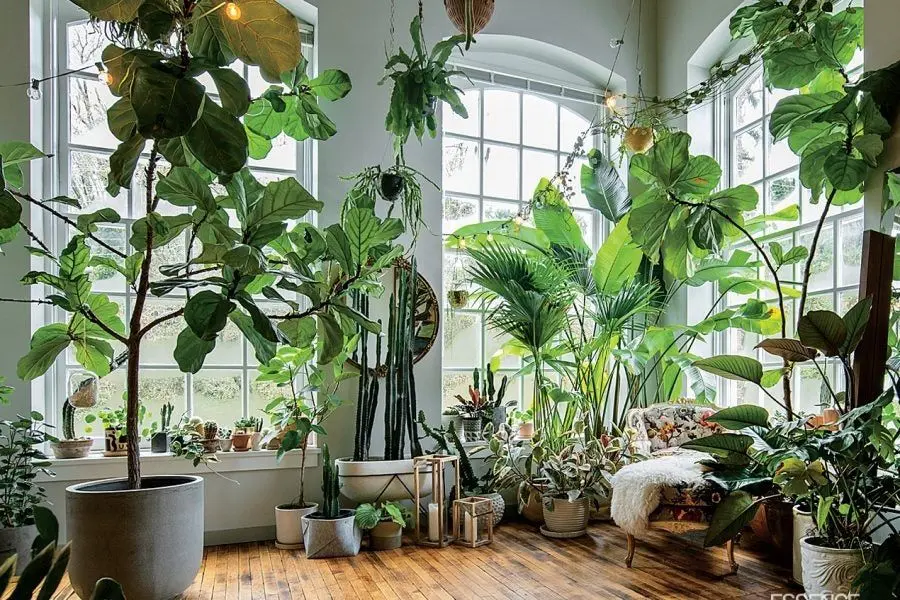
Artificial trees are more than just decorative; they can function as subtle architectural elements within the modern home. In large open-plan areas, tall faux trees can be used to define the boundaries of a lounge or dining zone, offering gentle separation without resorting to physical dividers. A single, well-placed tree by a tall window brings the outdoors in, strengthening the connection with nature even in city apartments. Pairing artificial trees on either side of key features, like an entryway bench or a media console, introduces symmetry and balance without the hassle of maintaining real plants. For compact spaces, opt for slender trees with open canopies that tuck neatly into corners, softening sharp edges and introducing vertical movement. Faux foliage can also serve as a foil to striking artwork or sculptural lighting, lending a subtle, organic touch that complements bold statement pieces.
Pairing Artificial Trees With Modern Planters And Materials
The choice of planter is fundamental to how contemporary an artificial tree will look. Clean-lined vessels—cylinders, cubes, or tapered shapes—harmonize with the streamlined silhouettes found in modern decor. Materials like matte ceramic, powder-coated metal, and pale wood bring out the realism and elegance of artificial trees, making them part of a unified design scheme. For a designer-inspired look, position a tree in a planter that repeats colors or finishes present elsewhere in the room, such as echoing a graphite pot with black picture frames or industrial lamps. This approach transforms the tree and its container from an accessory into a focal point, supporting the overall vision for the space.
Layering Artificial Trees With Lighting And Textiles
Integration is key to making artificial trees feel like a natural part of the room. Layering them with well-chosen lighting and textiles can enhance realism and comfort. Placing a faux tree beside a floor lamp or wall sconce enables the leaves to catch soft, ambient light, adding depth and bringing fine details into focus. In living rooms, combine a tree with a cozy armchair, a plush rug, and a knitted throw to create a snug reading nook. Select cushions and textiles in earthy greens or warm neutrals to echo the tones of the foliage for a coordinated atmosphere. Bedrooms benefit from a slim faux tree near the bed or dresser, where it complements calming linens and diffuses the formality of modern furniture. In home offices, a tall artificial tree helps to break up the visual weight of desks and screens, making the area feel more inviting for work and virtual meetings alike.
Creative Placements Beyond Living Rooms
While often seen in living areas, artificial trees offer creative styling opportunities throughout the home. In entryways, a faux tree provides an instant welcome and softens angular storage solutions or hard flooring. Hallways benefit from greenery, breaking up long sightlines and making transitions feel intentional rather than plain. In bathrooms, where real plants may struggle with light and humidity, a moisture-friendly artificial tree brings spa-like calm. Even dining rooms can be enhanced with a slender tree in the corner, creating intimacy without crowding the table. Multipurpose spaces, such as guest rooms or studios, are also elevated with the addition of a carefully selected faux tree, making the room feel more finished and comfortable rather than just functional.