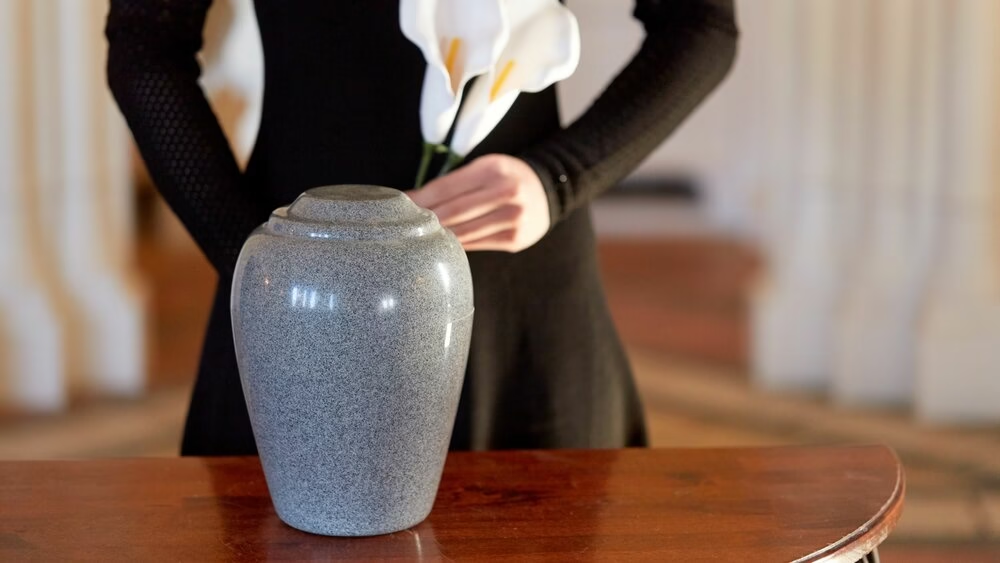
Cremation has become a deeply meaningful choice for many families seeking a balance of simplicity, dignity, practicality and personal expression. More Canadians than ever are choosing cremation, not only because it can ease logistical and financial pressure during a difficult time, but also because it offers flexibility in how a life is remembered. This shift reflects changing values, evolving cultural preferences and a desire for memorial options that feel personal rather than prescribed.
As conversations around end of life planning become more open and thoughtful, understanding what cremation involves and how it fits within a family’s wishes can make a significant difference. The goal is not merely to choose a method of final disposition, but to create space for comfort and clarity during a period of grief. Before making decisions, it helps to explore what cremation offers, how providers differ and what practical considerations families should keep in mind.
To navigate these choices with confidence, many people begin by learning what to expect and by seeking an affordable cremation provider who offers straightforward information and services that suit their needs. Early clarity in this area helps relieve unnecessary stress and sets the foundation for a compassionate process.
Understanding Cremation and What Sets It Apart
Cremation is the process of reducing the body to ashes through controlled high heat, after which the remains are returned to the family. While burial has long been the traditional approach in many communities, cremation has steadily grown in popularity for several reasons.
First, cremation typically requires fewer logistical arrangements. Families do not need to consider burial plot purchases, headstone decisions or long term plot maintenance. Instead, they may choose to hold a memorial service before the cremation, a simple gathering afterward or a private moment at home that feels appropriate and intimate.
Second, cremation offers flexibility for families who may be spread across provinces or regions. Since ashes can be kept, shared, interred or scattered in accordance with personal preference, families have more freedom in planning a memorial that fits their schedules and emotional readiness. This sense of choice is often comforting, especially during times of uncertainty.
Finally, cremation can align with values related to simplicity, environmental mindfulness or cultural practices. Many Canadians gravitate toward streamlined arrangements that allow them to focus on honouring their loved one rather than managing numerous logistical steps.
Why Cremation Has Become Such a Common Choice
Several influences have contributed to cremation becoming a familiar and widely accepted option.
Financial considerations
Traditional funerals paired with burial can be costly and often include fees for transportation, preparation, caskets, plots, markers and ongoing cemetery care. Cremation tends to simplify these requirements and can lower total expenses, especially in direct cremation scenarios. For families who wish to manage costs responsibly while still creating a meaningful farewell, cremation offers a balanced solution.
Evolving personal and cultural values
Canadians today tend to make end of life decisions based on personal beliefs rather than solely on tradition. Cremation accommodates a wide spectrum of values. Some choose it for environmental reasons while others feel it offers a less formal or less restrictive approach to memorialization. As society becomes more open to discussing end of life preferences, cremation fits naturally into modern expectations for autonomy and simplicity.
Urban population growth and land limitations
In many growing communities, land for traditional burial is limited or expensive. Cremation reduces the need for large burial plots and gives families options such as columbarium niches, scattering gardens or home keepsakes. For those living in densely populated areas, this can make planning significantly easier.
Flexibility in ceremonies and memorials
Cremation allows families to separate the idea of a ceremony from the timeline of the final disposition. Memorials can take place days, weeks or even months after the cremation. This flexibility helps families plan gatherings at a pace that feels right and consider personalized touches that reflect their loved one’s life.
Important Considerations When Selecting Cremation
When choosing cremation, families benefit from understanding both the details and the broader implications of the decision.
Service structure and what is included
Cremation packages can vary widely. When comparing providers, it is helpful to examine what each service covers. Key questions include whether transportation is included, whether all required documentation will be handled, whether the cremation container and urn are provided and whether there are additional or optional fees. Clear answers prevent unexpected costs and ensure the family receives the support they need.
Provider reliability and transparency
A trustworthy cremation provider should offer clear explanations, open communication and transparent pricing. Families should feel comfortable asking questions such as how the process works, how long it takes, who manages the cremation and what the options are for receiving the ashes. Compassion and professionalism during the arrangement stage often reflect the quality of care provided throughout the process.
Location, timelines and logistics
Provincial guidelines shape how cremation services operate and how quickly arrangements can move forward. Some families may wish to hold a visitation or service before the cremation while others choose immediate cremation with a memorial later. Understanding the required steps and timeline helps reduce stress and ensures the arrangements align with the family’s expectations.
Memorial planning and after care options
Cremation offers many possibilities for remembrance. Some families choose to keep the ashes in a decorative urn at home. Others may prefer a scattering ceremony, interment in a cemetery or placement in a columbarium. Some choose to divide ashes into multiple keepsakes so that several family members can hold a personal tribute. Providers can often offer guidance on these options and supply appropriate urns and keepsake items.
Environmental or personal preference considerations
For individuals who value minimal environmental impact or prefer a simpler approach to remembrance, cremation can complement these beliefs. On the other hand, families with strong religious or cultural traditions may wish to consult their leaders or heritage practices when making decisions. Whatever the context, choosing cremation should feel aligned with personal principles and intentions.
Preparing in Advance to Support Loved Ones
Planning ahead can be an invaluable gift to family members, reducing confusion and relieving pressure during a difficult time. Steps for thoughtful preparation include the following:
- Share preferences with a trusted family member or friend so that your wishes are known and respected
- Obtain itemized estimates from credible providers and compare them carefully
- Review and secure necessary documents and keep them in an accessible place
- Make decisions regarding the handling and final placement of ashes
- Consider selecting an urn or keepsake item that reflects personal meaning
- Explore pre planning options that allow arrangements to be completed well in advance, easing emotional and financial burden later
Preparing early brings a sense of confidence and clarity, ensuring that family members have guidance when they need it most.
A Gentle and Meaningful Path Forward
Cremation offers families a thoughtful and flexible approach to honouring a life. As it becomes increasingly common across Canada, more people are discovering its ability to balance simplicity with meaningful personal expression. Whether a family prefers a quiet gathering, a personalized celebration or a private moment of reflection, cremation provides space for the memorial experience to unfold naturally.
At the heart of this choice is a desire to respect both the person who has passed and the loved ones who remain. With the right information and supportive guidance, families can move through this period with dignity, comfort and a clear sense of purpose.