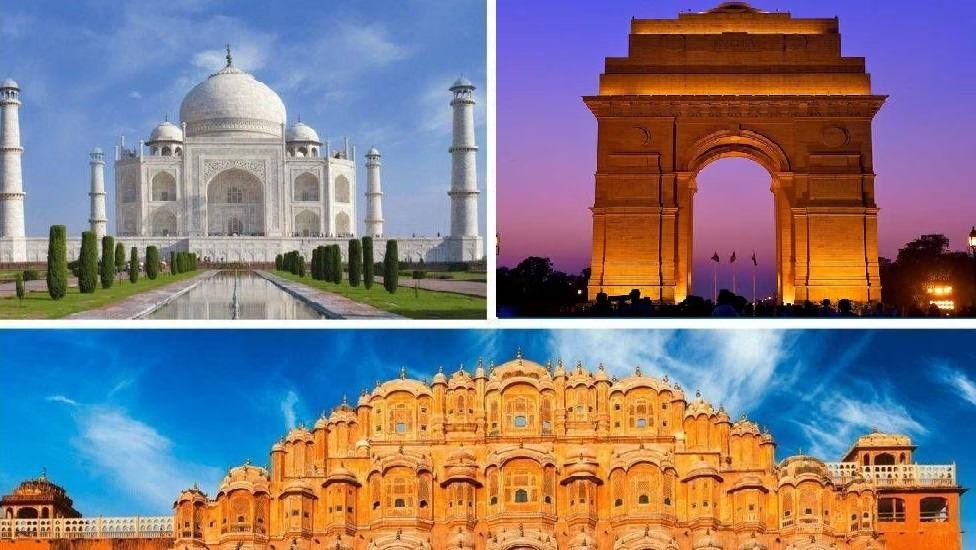
India’s cultural soul reveals itself most vividly when you journey through its historic cities, sacred rituals, and living traditions. A golden triangle tour with varanasi brings together the grandeur of North India’s royal past with the deep spiritual essence of one of the world’s oldest living cities. By combining Delhi, Agra, Jaipur, and Varanasi, this route offers a layered experience where history, architecture, religion, art, and daily life blend seamlessly. Whether you’re visiting India for the first time or returning to explore it more deeply, this journey introduces you to the country’s most iconic cultural expressions in a compact yet enriching itinerary that even fits perfectly into a golden triangle tour 5 days plan when designed efficiently.
The Cultural Mosaic of Delhi: Old Traditions Meet Modern Life
Your journey usually begins in Delhi, a city that reflects India’s long and complex history through its streets, monuments, and people. Old Delhi immerses you in the Mughal era, where narrow lanes lead to bustling markets, historic mosques, and centuries-old havelis. Walking through Chandni Chowk is a cultural experience in itself, filled with the aroma of street food, the sounds of temple bells, and the rhythm of everyday life.
New Delhi, on the other hand, showcases colonial-era architecture and modern governance. The contrast between ancient traditions and contemporary lifestyles highlights how India preserves its heritage while constantly evolving. Cultural exposure here isn’t limited to monuments; it’s seen in food habits, clothing styles, and the coexistence of multiple faiths within a single neighborhood.
Agra: Love, Art, and Mughal Elegance
From Delhi, the journey moves to Agra, a city synonymous with timeless love and refined Mughal culture. The Taj Mahal is not just a monument but a cultural symbol that represents India’s artistic excellence and emotional depth. Observing its marble inlays, Persian calligraphy, and symmetrical gardens offers insight into Mughal aesthetics and their appreciation for beauty and balance.
Beyond the Taj, Agra Fort tells stories of emperors, court life, and political intrigue. Through these structures, travelers understand how art, power, and culture were deeply interconnected during the Mughal period. Local crafts, especially marble inlay work and leather goods, further reflect Agra’s traditional skills passed down through generations.
Jaipur: Royal Heritage and Living Traditions
The Pink City of Jaipur introduces you to Rajasthan’s royal legacy and vibrant folk culture. Jaipur’s palaces and forts stand as reminders of Rajput valor and refined courtly traditions. The City Palace complex still houses royal residences and museums that preserve costumes, weapons, and manuscripts, offering a glimpse into regal lifestyles.
What makes Jaipur culturally engaging is how tradition lives alongside modern life. Local markets display colorful textiles, handcrafted jewelry, blue pottery, and block-printed fabrics. Folk music and dance performances narrate stories of heroism and devotion, making cultural immersion feel natural and engaging rather than staged. Even within a golden triangle tour 5 days, Jaipur leaves a lasting impression through its colors, flavors, and artistic heritage.
Varanasi: Spiritual Heart of India
The journey reaches its spiritual peak in Varanasi, where culture is deeply intertwined with faith and philosophy. Varanasi is not simply visited; it is experienced. Life along the ghats of the River Ganges unfolds in its purest form, from morning prayers and ritual baths to evening aarti ceremonies that illuminate the river with lamps and chants.
Cultural highlights here include ancient temples, Sanskrit chants, classical music traditions, and age-old rituals connected to life and death. Witnessing the Ganga Aarti offers a profound understanding of Hindu spirituality, where devotion becomes a collective and emotional experience. Varanasi’s silk weaving tradition, especially Banarasi sarees, represents the city’s artistic side, blending craftsmanship with cultural identity.
Cultural Continuity Across the Golden Triangle with Varanasi
What makes a golden triangle tour with varanasi unique is the seamless cultural transition from royal courts to spiritual ghats. Each destination adds a new dimension to your understanding of India. Delhi introduces diversity and layered history, Agra highlights refined Mughal art, Jaipur celebrates royal pride and folk traditions, while Varanasi connects you to India’s spiritual roots.
Despite their differences, these cities share cultural threads such as respect for tradition, community life, and artistic expression. Festivals, food, rituals, and architecture vary, yet all reflect a shared civilizational continuity that has survived centuries of change.
Experiencing India Deeply Even on a Short Itinerary
Many travelers assume cultural depth requires long journeys, but a well-planned golden triangle tour 5 days can still deliver powerful experiences. By focusing on key cultural moments such as heritage walks, local cuisine, temple visits, and traditional performances, travelers gain meaningful insights without feeling rushed. Adding Varanasi elevates the journey, transforming a classic sightseeing route into a soulful exploration of India’s identity.
A Journey That Stays With You
A Golden Triangle tour extended to Varanasi is more than a travel itinerary; it’s a cultural awakening. From the echoes of Mughal poetry to the chants on the Ganges, from royal palaces to humble street shrines, this journey introduces you to India in its most authentic form. The memories created through a golden triangle tour with varanasi often linger long after the trip ends, leaving travelers with a deeper appreciation for India’s timeless traditions and living heritage.