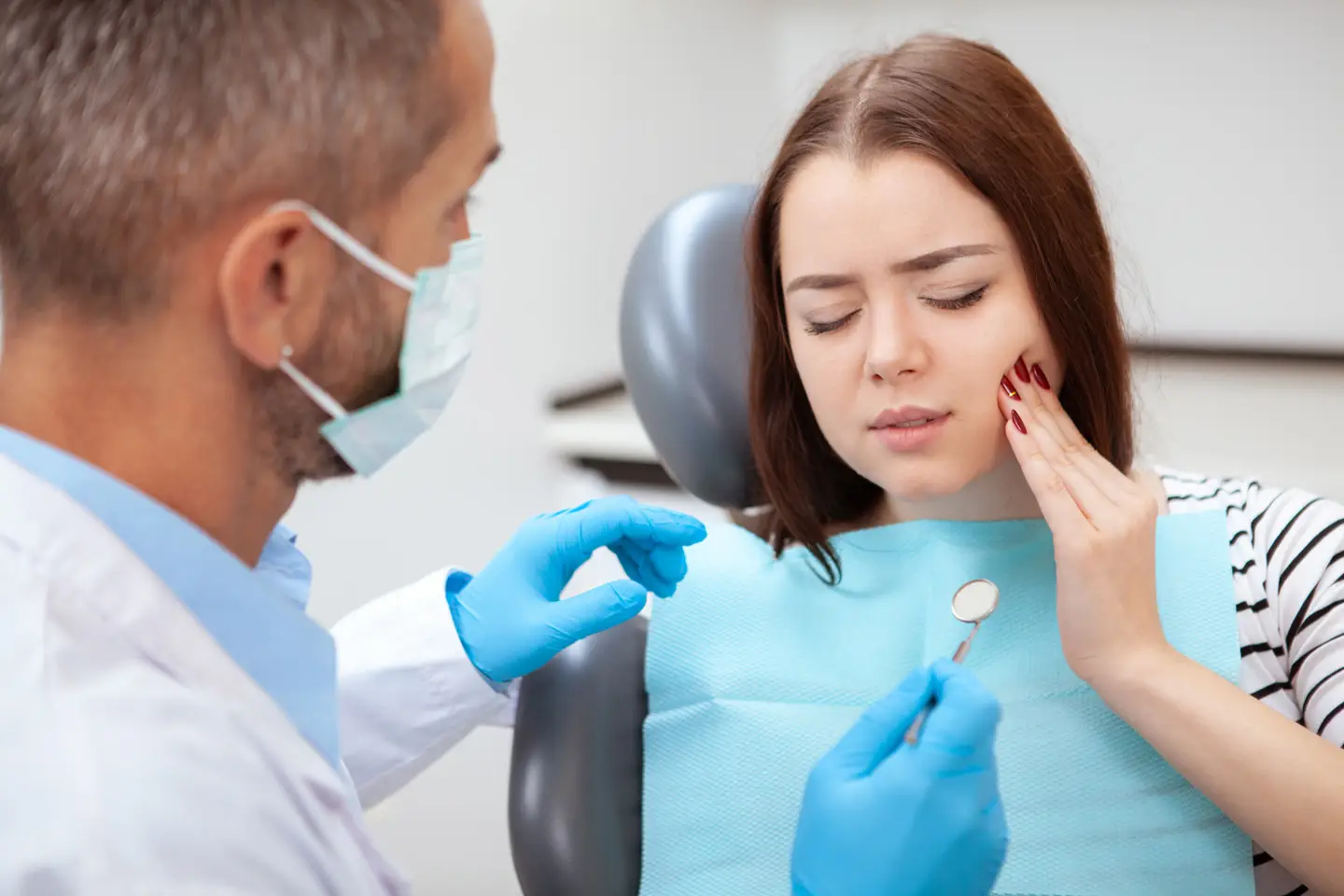
A sudden, unexpected dental issue can be startling, causing anxiety, discomfort, and severe pain. Knowing how to quickly assess the situation and take appropriate action is vital for preserving your oral health and potentially saving a damaged tooth. A true dental emergency involves uncontrollable bleeding, overwhelming pain, or a risk of losing a permanent tooth. This comprehensive guide outlines the critical steps you should take for common urgent dental problems until you can receive professional treatment.
Recognizing a True Crisis
Distinguishing between a minor issue that can wait and an immediate crisis is the first step in effective management. If you experience any of the following, seek professional help without delay.
Unrelenting Tooth Pain
While a dull, temporary ache might signify minor decay or a trapped food particle, severe, persistent, or throbbing pain is a sign of a serious underlying issue, such as a deep infection or an abscess. An abscess is a collection of pus resulting from a bacterial infection and can lead to facial swelling, fever, and a bad taste in the mouth. If pain does not subside with over-the-counter medication, it requires prompt dental diagnosis and treatment.
Avulsed (Knocked-Out) Teeth
A completely knocked-out tooth is one of the clearest urgent situations, as time is extremely critical for successful reimplantation. When handling the tooth, only touch the crown (the top, chewing surface), never the root. Rinse the tooth gently with water or a saline solution if it is dirty, but avoid scrubbing it or removing any attached tissue fragments. The best chance to save the tooth is to reinsert it into its socket immediately. If reinsertion is not possible, place the tooth in milk or a professional tooth preservation product; water is not suitable for storage. You must see a dentist within an hour for the highest probability of a positive outcome.
Uncontrolled Oral Bleeding and Swelling
Bleeding from the soft tissues of the mouth, such as the tongue, gums, or inner cheek, that continues after applying firm pressure for 10 to 15 minutes warrants emergency care. Significant, sudden swelling in the jaw or face, especially when accompanied by difficulty breathing or swallowing, may indicate a severe, spreading infection like an abscess or salivary gland issue. These signs are life-threatening and require immediate attention to control the infection.
Immediate First-Aid Steps You Can Take
Taking quick, composed first steps can help mitigate damage and manage discomfort while you arrange professional care.
For Cracked or Broken Teeth
A chipped tooth without significant pain is usually not an emergency, but a large fracture or damage causing severe sensitivity needs faster assessment. If you break a tooth, rinse your mouth with warm water immediately. If there is bleeding, apply a piece of gauze for up to ten minutes. Use a cold compress on the outside of your face to limit swelling and reduce pain. Be sure to save any broken pieces to bring to the dental office.
Dealing with Lost Restorations
Losing a filling or crown exposes the sensitive underlying tooth structure to temperature changes and bacteria, causing notable discomfort. If you recover the crown, clean it gently. You can try to temporarily re-cement it using over-the-counter dental cement, toothpaste, or denture adhesive, never permanent glues. If a filling is lost, sugar-free gum or dental wax can temporarily cover the exposed cavity. Avoid chewing on the affected side until your restoration is professionally replaced.
The Importance of Timely Professional Care
While temporary fixes offer immediate relief, they are never a replacement for expert dental treatment. A dental professional possesses the necessary tools and expertise to accurately diagnose and fully resolve the problem, preventing complications like rampant infection or permanent tissue loss. Whether the issue involves managing trauma or requires advanced restorative work, like replacing a missing tooth with high-quality dental implants in Texarkana TX, seeking care without delay is essential for maintaining your overall oral health and function.
Prevention and Preparedness
Not all emergencies can be avoided, but simple precautions significantly reduce risk. Always use a mouthguard when participating in contact sports. Avoid biting down on extremely hard foods or using your teeth to open packages. Crucially, regular dental checkups allow practitioners to identify minor issues, such as small cavities or weakened restorations, before they escalate into an urgent situation. Keep your dentist’s emergency contact information readily available. By staying prepared and knowing these fundamental first-aid steps, you can react calmly and effectively should a dental crisis occur.