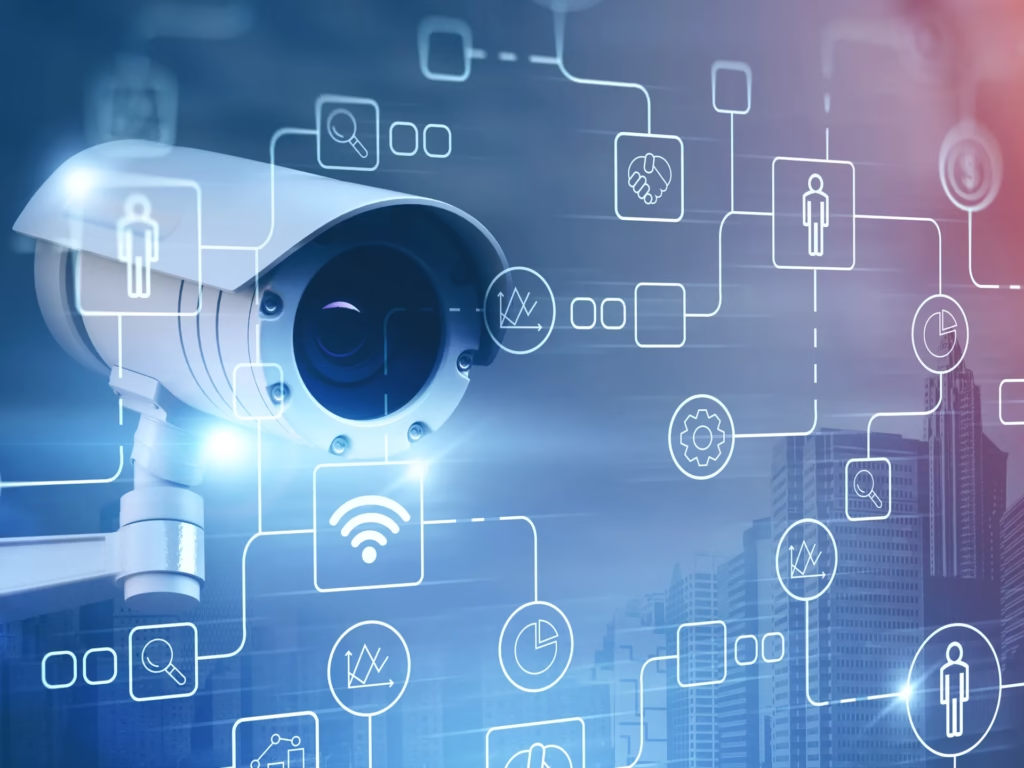
Governments around the world are increasingly turning to digital surveillance as a tool to enhance national security, manage borders, and combat crime. From facial recognition systems in major cities to expanded data collection by intelligence agencies, these technologies are reshaping how states interact with their citizens. While supporters argue that surveillance strengthens public safety, critics warn that unchecked monitoring threatens privacy, freedom of expression, and broader human rights.
The Expansion of Surveillance Technologies
Over the past decade, advances in artificial intelligence, biometric identification, and big data analytics have dramatically lowered the cost and increased the efficiency of surveillance systems. Countries across Europe, Asia, and the Americas now deploy tools that can track movements, analyze online behavior, and identify individuals in real time.
In some cases, these technologies have been introduced in response to legitimate concerns, such as terrorism or organized crime. For example, law enforcement agencies often argue that data-driven monitoring helps them detect threats earlier and respond more effectively. However, the speed of adoption has frequently outpaced the development of legal frameworks designed to protect civil liberties.
Human Rights Concerns and Legal Safeguards
At the heart of the debate lies a fundamental question: how can societies balance security with individual rights? Human rights organizations point out that mass surveillance can have a chilling effect on free speech and peaceful assembly. When people believe they are constantly being watched, they may be less likely to express dissenting opinions or participate in political activity.
International human rights law emphasizes principles such as necessity, proportionality, and transparency. Surveillance measures should be clearly defined by law, limited in scope, and subject to independent oversight. Yet in many countries, critics argue that existing safeguards are weak or poorly enforced, allowing governments broad discretion with limited accountability.
Case Studies from Around the World
Different regions illustrate how varied the impact of surveillance can be. In some democratic countries, courts have pushed back against expansive monitoring programs, ruling that they violate constitutional protections. These legal challenges have led to reforms, including stricter warrant requirements and clearer limits on data retention.
In more authoritarian contexts, surveillance tools have been used to monitor journalists, activists, and minority groups. Reports from international observers suggest that such practices can contribute to harassment, arbitrary detention, and discrimination. These examples highlight how technology itself is neutral, but its application depends heavily on political systems and respect for the rule of law.
The Role of Civil Society and Media
Civil society organizations, investigative journalists, and independent researchers play a crucial role in bringing surveillance practices into public view. By analyzing government contracts, leaked documents, and policy proposals, they help citizens understand how monitoring systems operate and who controls them.
Editorial platforms and research hubs, such as thehuman-rights.com, often provide background analysis and context on how emerging technologies intersect with civil liberties. These resources are valuable for readers seeking a deeper understanding of the ethical and legal dimensions of surveillance beyond daily news headlines.
Technology Companies and Responsibility
Private companies are also central to the conversation. Many of the tools used by governments are developed by technology firms operating across borders. This raises questions about corporate responsibility and due diligence. Should companies refuse to sell surveillance technologies to governments with poor human rights records? And how transparent should they be about their clients and capabilities?
Some firms have introduced internal ethics guidelines or human rights impact assessments, but critics argue that voluntary measures are not enough. Calls are growing for international standards that regulate the export and use of surveillance technologies, similar to arms control agreements.
Looking Ahead
As digital surveillance becomes more embedded in everyday governance, the need for informed public debate is increasingly urgent. Citizens, policymakers, and technologists must grapple with complex trade-offs between security and freedom. Strong legal protections, independent oversight, and an active civil society can help ensure that new technologies serve the public interest rather than undermine it.
Ultimately, the global discussion on surveillance is not just about technology—it is about values. How societies choose to regulate these tools will shape the future of privacy, democracy, and human rights in the digital age.