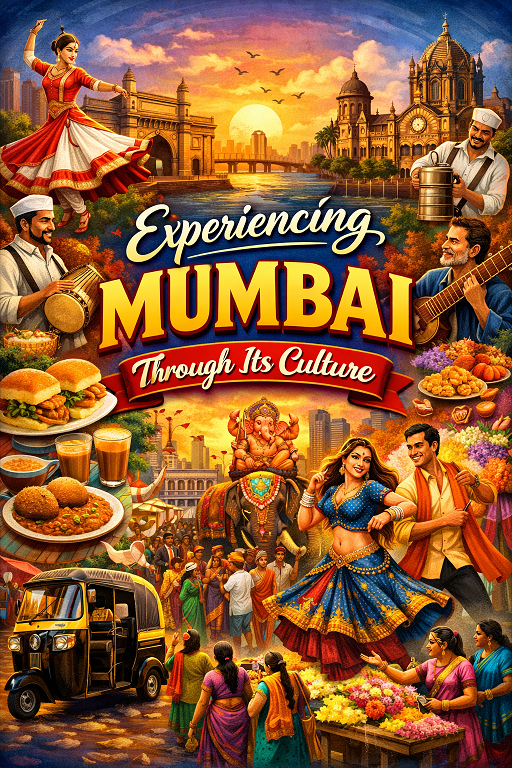
Mumbai stands as one of India’s most dynamic cities, where history, commerce, and creativity coexist at a relentless pace. From colonial architecture to modern financial districts, the city reflects centuries of transformation shaped by trade, cinema, and migration. Its streets move with urgency, yet moments of calm exist along the coastline, in gardens, and within thoughtfully planned hospitality spaces.
Tourism in Mumbai is driven not only by landmarks but by lived experiences that unfold across neighborhoods. Visitors arrive for business, leisure, weddings, and cultural exploration, often seeking destinations that offer a balance between accessibility and retreat. Toward the end of this introduction, accommodations such as the GCC hotel naturally become part of the discussion, reflecting how travelers prioritize comfort, space, and location when navigating a city of this scale.
Mumbai as a Gateway to Maharashtra’s Tourism Landscape
Mumbai functions as the primary entry point to Maharashtra, welcoming travelers from across India and overseas. The city’s international airport, extensive rail network, and highways connect visitors to coastal Konkan towns, hill stations, pilgrimage centers, and heritage destinations. For many, their journey through the state begins and ends here.
This gateway role influences how tourism operates within the city. Hotels are not merely overnight stops but bases from which travelers explore broader regions. Comfort, connectivity, and reliability become essential, especially for guests balancing short city stays with longer regional itineraries.
Coastal Charm and Urban Landmarks That Define the City
Mumbai’s coastline remains one of its most defining features, offering open spaces that contrast sharply with dense urban development. Marine Drive, Juhu Beach, and Bandra Bandstand provide scenic walking routes and social gathering points that attract tourists throughout the year. These areas reflect the city’s relationship with the Arabian Sea.
Alongside natural views, landmarks such as the Gateway of India and Chhatrapati Shivaji Maharaj Terminus define Mumbai’s architectural identity. Together, coastal landscapes and historic structures create a layered tourist experience. Hotels positioned with reasonable access to these zones are often favored by visitors aiming to maximize limited travel time.
Cultural Heritage and Architectural Legacy
Mumbai’s architectural heritage reveals a blend of colonial and indigenous influences shaped over centuries. Gothic Revival buildings, Art Deco residences, and traditional marketplaces coexist within a compact urban core. Many of these structures are preserved as heritage sites, attracting travelers with cultural interests.
Exploring these neighborhoods allows visitors to understand how Mumbai evolved into a global city. Hospitality spaces that acknowledge this legacy through thoughtful design, service orientation, or proximity to cultural districts often appeal to travelers seeking context rather than isolation.
Mumbai’s Culinary Diversity and Dining Culture
Food is central to the Mumbai travel experience, offering insight into the city’s multicultural population. Street food staples coexist with regional Indian cuisines and international dining options. Each neighborhood presents its own culinary identity, shaped by migration and local tradition.
Hotels that incorporate diverse dining experiences respond well to this expectation. Guests often value properties that allow them to explore flavors conveniently, particularly during business stays or event-centered visits where time outside the hotel may be limited.
Entertainment, Events, and City Life
Mumbai’s role as India’s entertainment capital keeps the city active year-round. Film premieres, exhibitions, concerts, weddings, and corporate events generate continuous travel demand. Tourism here is closely tied to scheduled activities rather than seasonal cycles.
This environment increases the importance of hotels capable of supporting events and group stays. Travelers attending functions often prefer accommodation that combines venue access with comfortable lodging, reducing logistical complexity in an already crowded city.
Hospitality Spaces That Balance Comfort and Accessibility
As Mumbai expands outward, suburban hospitality destinations have gained relevance. These locations offer more space, controlled environments, and easier movement compared to central districts. For many travelers, this balance outweighs the need to stay in the traditional city core.
Such hotels cater to families, corporate groups, and long-stay guests who prioritize comfort over proximity to tourist hotspots. Integrated facilities allow guests to meet, dine, and relax without navigating daily traffic challenges.
GCC Hotel and Club as a Suburban Hospitality Destination
GCC Hotel and Club operates within this suburban hospitality context, offering a destination-style property in the northern part of Mumbai. Positioned away from central congestion, it provides a setting that feels organized and self-contained while remaining accessible.
The property combines accommodation with club amenities, supporting leisure stays, business visits, and social events. Its appeal lies in functional design and consistency, serving guests who value space, privacy, and dependable service rather than excessive formality.
Accommodation and Room Experience
Guest rooms at GCC Hotel and Club emphasize comfort and practicality. Spacious layouts, modern furnishings, and essential amenities support both relaxation and productivity. This approach suits travelers who may spend extended time within the hotel environment.
The calm interior atmosphere offers relief from the city’s pace. For business travelers and families alike, such a balance enhances the overall quality of a Mumbai stay.
Event Spaces and Social Functions
A defining feature of the property is its ability to host large-scale events. Indoor banquet halls and outdoor venues are designed to accommodate weddings, conferences, and social gatherings. Planning infrastructure supports smooth coordination for organizers and guests.
Staying at the same location where events are hosted adds convenience for visitors. It simplifies schedules and creates a cohesive experience, which is particularly valuable in a city known for travel delays.
Recreation and Club Facilities
Beyond accommodation, the property includes recreational and leisure facilities that encourage guests to engage with the space. Sports areas, dining options, and open zones contribute to a resort-like atmosphere within an urban setting.
This model aligns with changing tourism preferences where travelers seek immersive stays. Families and long-stay guests benefit from amenities that reduce the need for constant city travel.
Final Thoughts on Staying in Mumbai
Mumbai offers a complex tourism landscape shaped by culture, commerce, and constant movement. Choosing the right accommodation helps travelers navigate this complexity with ease. For visitors exploring northern Mumbai or attending events in the region, GCC hotel stands as a practical hospitality option aligned with modern travel needs. Platforms such as Goibibo assist travelers in comparing availability, reviewing verified feedback, and securing stays that suit their itineraries. Thoughtful booking decisions ultimately contribute to a more comfortable and memorable Mumbai experience.