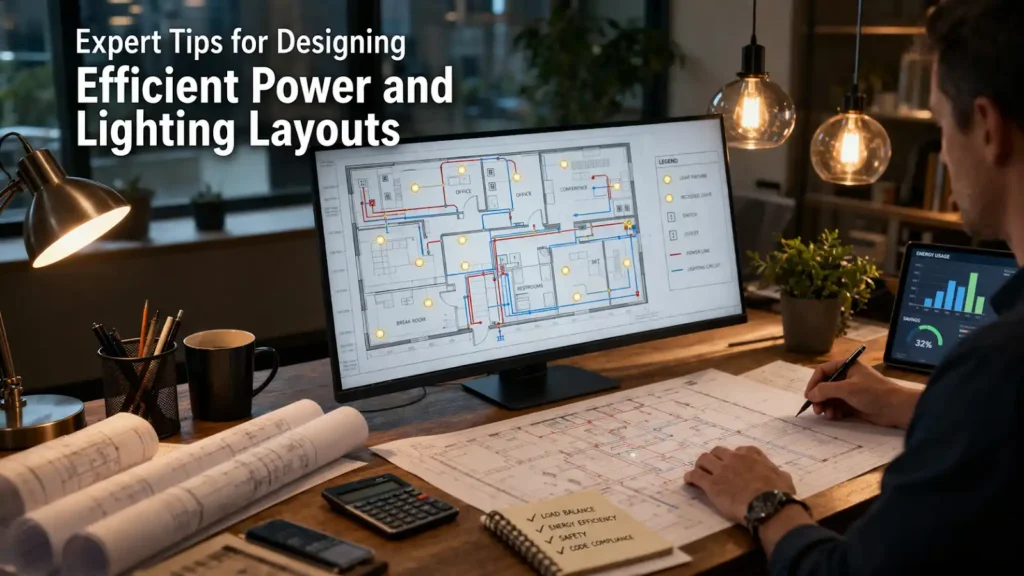
Moving into a new home or starting a renovation brings up a lot of exciting design choices. However, one of the most critical elements often gets overlooked until it is too late: your electrical plan. A well-thought-out power and lighting layout makes daily life much smoother. It prevents unsightly extension cords from cluttering your floors and ensures you always have the right amount of light for tasks like cooking, reading, or relaxing.
Planning your electrical layout requires a mix of practical thinking and foresight. By taking the time to map out your needs early in the design process, you can create a space that is both highly functional and beautifully illuminated.
Understanding Your Daily Needs
The first step in any successful electrical design is looking closely at your lifestyle. Walk through your floor plan and imagine your daily routine. Ask yourself where you will charge your phone, where the television will sit, and which corners might need a cozy reading lamp.
Every family uses their space differently. A home office requires a much different setup than a dedicated media room or a children’s playroom. Taking note of your specific habits ensures that switches and outlets end up exactly where you actually need them.
Key Considerations for Power Outlets
When it comes to power outlets, placement is everything. You want to avoid stretching cords across walkways or hiding outlets behind heavy furniture.
Think about incorporating different types of outlets to suit modern technology. Wall plates with built-in USB-C ports are highly convenient for kitchen islands and bedside tables. Furthermore, try to future-proof your layout. Adding a few extra outlets during the construction or renovation phase is highly cost-effective and saves you from frustrating limitations down the road.
Smart Lighting Strategies
Good lighting completely transforms the atmosphere of a room. The secret to a comfortable space is layering your light sources. This typically involves three main types of lighting:
- Ambient lighting: The primary source of light, usually from ceiling fixtures, that illuminates the whole room.
- Task lighting: Focused light for specific activities, such as under-cabinet lights in the kitchen or a desk lamp in the study.
- Accent lighting: Decorative lighting used to highlight architectural features or artwork.
Always factor in natural light when planning your layout. Place heavily used areas near large windows to maximize daylight. Finally, opt for energy-efficient LED fixtures to keep your electricity bills manageable while reducing your environmental footprint.
The Role of a Professional Electrician Adelaide
While it is helpful to draft your own ideas, executing a safe and compliant electrical layout requires professional expertise. Hiring an experienced Electrician Adelaide ensures that your design meets all current safety regulations and building codes.
A qualified Electrician Adelaide will also spot potential issues you might have missed. They understand the technical constraints of your home’s wiring system and can recommend the best products to achieve your desired aesthetic without overloading your circuits.
iElectrical’s Approach to Design
At iElectrical, we believe that great design blends seamlessly into the background of your life. Our team works closely with homeowners to understand their unique requirements before laying a single wire.
The iElectrical philosophy centers on safety, energy efficiency, and total convenience. We take the time to explain your options, from smart home automation to basic outlet placement, ensuring you feel completely confident in the final plan.
Investing in a Well-Designed Layout
Putting effort into your power and lighting layout pays off every single day. A smart electrical design enhances the comfort, safety, and overall value of your property. If you are ready to bring your vision to life, reach out to your trusted Electrician Adelaide. The team at iElectrical is here to help you build a bright, highly functional space you will love for years to come.