

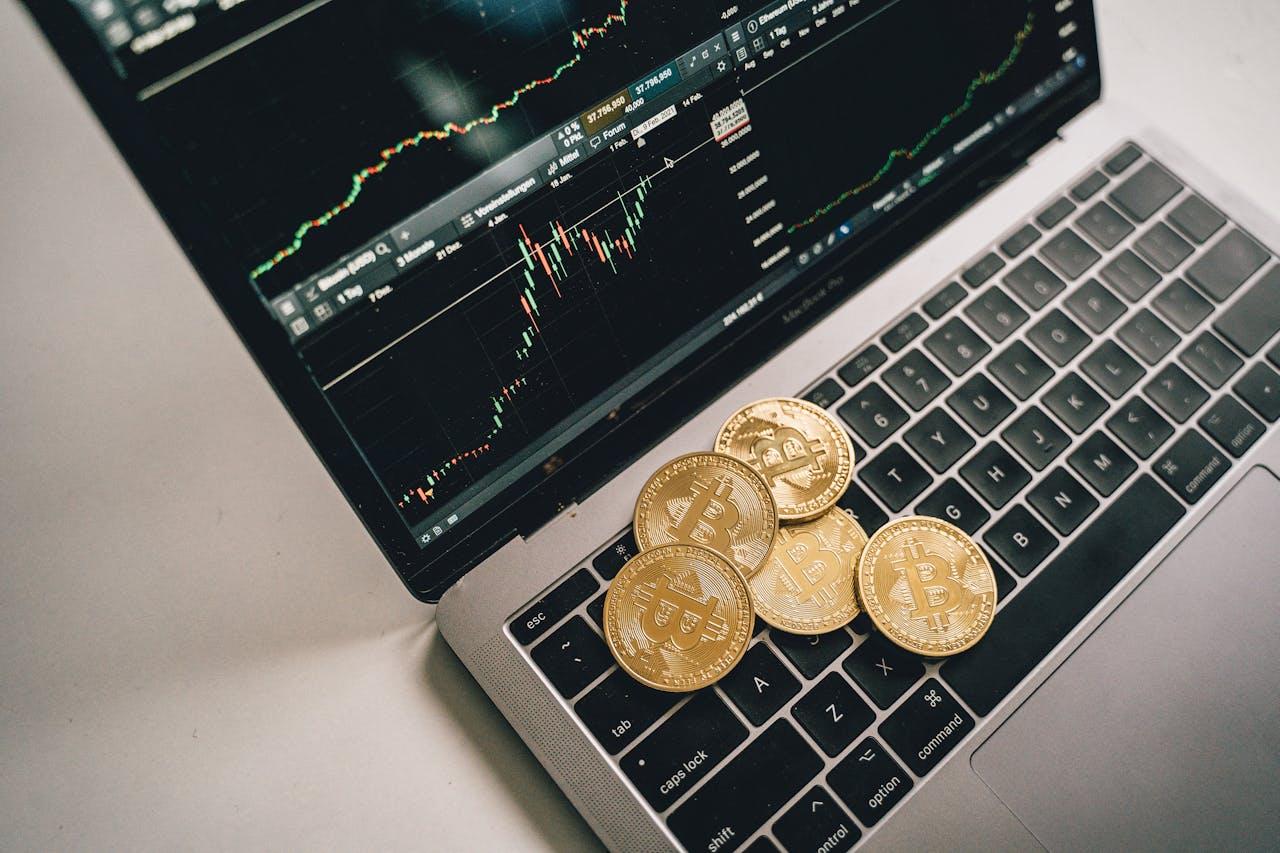
The world of forex trading has grown significantly in Australia, attracting individuals seeking to take advantage of global currency fluctuations. With round-the-clock access, regulated platforms, and evolving trading tools, Forex trading Australia offers both new and experienced traders an opportunity to participate in one of the world’s most active financial markets.
What Is Forex Trading?
Forex, or foreign exchange trading, is the act of exchanging one currency for another with the aim of profiting from price movements. Traders analyze and speculate on exchange rates of currency pairs such as AUD/USD or EUR/JPY, attempting to forecast how values will shift over time based on economic and political events.
This global market operates five days a week, 24 hours per day, with continuous trading across various regions. However, not all trading sessions are equally favorable. The best trading opportunities usually occur when major financial markets overlap—particularly during periods when Sydney intersects with Tokyo or London. These overlapping hours generally offer higher volume and tighter spreads, making them ideal for active traders.
Getting Started: How to Begin Forex Trading in Australia:
Starting your forex journey in Australia is relatively simple, especially with the country’s strong regulatory framework. Here’s how you can get started:
1. Choose a Regulated Broker
Look for a platform that complies with the standards set by the Australian Securities and Investments Commission (ASIC). ASIC-regulated brokers are required to follow strict financial guidelines, which provide increased protection and transparency for traders.
2. Open a Trading Account
To register an account, traders must complete a verification process. This typically includes submitting official identification documents and proof of address. These steps are necessary to ensure compliance with local financial laws and to help protect user security.
3. Use a Demo Account for Practice
Most platforms offer demo accounts that simulate live market conditions. This gives traders an opportunity to explore features, test strategies, and become familiar with order types before investing actual capital.
Key Features to Look for in a Forex Trading Platform:
Selecting the right trading platform is vital to your success and comfort as a trader. While there are many tools and features available, here are some essentials:
- Order Functions: A quality platform should allow traders to set stop-loss, take-profit, limit, and market orders. These tools help manage risk and automate parts of your strategy.
- Mobile Functionality: Many traders prefer the flexibility of managing trades on the go. Ensure your chosen platform provides a mobile app that offers full functionality with responsive navigation.
- Technical Tools: Features such as real-time charting, indicators, and drawing tools support effective technical analysis.
- Ease of Use: A clean and intuitive interface helps streamline the trading process and reduces errors.
- Educational Resources: Platforms that offer built-in tutorials, market updates, and trading courses can significantly aid your learning curve.
Forex CFDs and Leverage Explained:
A common way to engage in the forex market is through Contracts for Difference (CFDs). CFDs allow you to speculate on price movements without directly owning the underlying currencies. One major advantage is the ability to use leverage, enabling traders to control a larger position with a relatively small amount of capital.
That said, while leverage can amplify gains, it also increases the potential for loss. As such, new traders should use leverage conservatively and always understand their risk exposure.
Benefits of Forex Trading in Australia:
Australian traders enjoy several advantages:
- Legal and Regulated Environment: Forex trading is fully legal in Australia and closely monitored by ASIC, which ensures that platforms operate ethically and securely.
- Flexible Trading Hours: The forex market is open 24/5, allowing traders to enter and exit positions at their convenience.
- Low Capital Requirements: Starting amounts can vary, but many platforms allow users to begin with a modest deposit—suitable for those wanting to learn without committing large sums.
- Global Market Access: Traders can access dozens of currency pairs and capitalize on both rising and falling markets.
Essential Risk Management Tips:
Managing your risk is key to long-term profitability. Below are some key techniques:
- Control Position Size: Never risk more than a small portion of your trading capital on a single trade—commonly between 1% and 2%.
- Set Clear Boundaries: Use stop-loss and take-profit orders to define your exit points in advance.
- Stay Diversified: Avoid placing all of your capital into a single currency pair. A well-diversified approach spreads risk across different instruments.
- Use a Strategy: Make informed decisions based on market research and analysis. Avoid emotional or impulsive trading.
- Track Your Progress: Keeping a detailed trading journal helps you identify strengths, spot recurring mistakes, and refine your methods over time.
When Is the Best Time to Trade Forex in Australia?
The forex market may be open all week, but not every hour offers optimal trading conditions. For Australian traders, the best times to participate are during overlapping sessions—specifically when Sydney overlaps with Tokyo or London. These hours tend to offer increased liquidity and more reliable price movements, making them ideal for implementing intraday strategies.
Conclusion:
Forex trading in Australia presents significant potential for those who approach it with preparation and discipline. From strong regulatory oversight to flexible trading tools and global market access, Australians have the infrastructure and resources to pursue currency trading professionally or part-time.
With the right broker, platform, and strategy, you can build a consistent approach that aligns with your goals—whether you’re trading for extra income, long-term growth, or financial independence.
Frequently Asked Questions (FAQs):
Q1: Is forex trading legal in Australia?
Yes. Forex trading is legal and regulated in Australia under the supervision of the Australian Securities and Investments Commission (ASIC), which ensures that brokers follow strict compliance standards.
Q2: How much money do I need to start trading?
Many brokers allow traders to begin with relatively low deposits. Your starting capital should reflect your risk tolerance and your willingness to invest in learning and developing a trading plan.
Q3: What are currency pairs?
Currency pairs represent the value relationship between two currencies, such as AUD/USD or EUR/JPY. Traders predict whether one currency will strengthen or weaken relative to the other.
Q4: When is the best time to trade in Australia?
The most favorable trading conditions are typically during times when major markets overlap—for example, when the Sydney session crosses with the Tokyo or London session. These times usually offer higher volume and better pricing.
Q5: What features should I look for in a trading platform?
Choose a platform that offers robust order functions (like stop-loss and limit orders), mobile trading support, real-time analysis tools, and a user-friendly interface that suits your trading needs.
Technology Perspective
Technology continues to transform industries through artificial intelligence, cloud computing, automation, cybersecurity, digital platforms, and data-driven decision making. As organizations increasingly adopt digital solutions, understanding emerging technologies becomes essential for businesses, professionals, and consumers. DGM News regularly covers these developments through expert analysis, technology news, and educational resources.
Innovation Outlook
Rapid advances in artificial intelligence, automation, machine learning, cloud infrastructure, and digital transformation continue reshaping global industries. Monitoring these developments helps organizations adapt to changing technologies, improve efficiency, and prepare for future innovation.
Did you know?
Artificial Intelligence is expected to influence nearly every major industry over the coming decade, from healthcare and finance to transportation, manufacturing, education, and entertainment.
AI, Machine Learning, Deep Learning and Generative AI Explained
Google AI Updates
About DGM News
DGM News is an independent digital publication delivering the latest Technology News, AI News, and FinTech News. We provide expert insights on startups, innovation, cybersecurity, software, business, gadgets, cloud computing, artificial intelligence, and emerging technologies. Our mission is to publish informative, accurate, and regularly updated content that helps readers stay informed in today's rapidly evolving digital landscape.
Since our editorial focus includes technology, artificial intelligence, and financial technology, we continuously expand our coverage as new innovations emerge.
Editorial Standards
Every article published on DGM News undergoes editorial review before publication. We prioritize factual accuracy, clarity, transparency, and reader value while following responsible digital publishing practices.
Research Methodology
Our editorial team researches publicly available information from official announcements, technical documentation, research publications, developer resources, reputable industry reports, and trusted public sources whenever applicable. Information is reviewed to improve clarity and accuracy before publication.
Fact-Checking Policy
We make reasonable efforts to verify factual information before publishing. Articles are reviewed for accuracy, consistency, and relevance. If significant developments occur after publication, content may be revised to reflect updated information.
Update Policy
Technology evolves rapidly. Articles may be reviewed and updated periodically to reflect software releases, AI developments, security advisories, regulatory updates, product launches, and other important industry changes.
Source Verification
Whenever possible, DGM News reviews information using official company announcements, technical documentation, research publications, government resources, publicly available reports, and reputable industry references before updating articles.
Editorial Independence
DGM News maintains editorial independence in all publishing decisions. Editorial content is produced independently and is intended to provide balanced, informative, and reader-focused coverage without influence from advertisers or commercial partnerships.
AI Usage Disclosure
Artificial intelligence tools may assist with research organization, grammar improvement, formatting, or editorial workflows. Every article is reviewed by human editors before publication to help maintain quality, clarity, and factual accuracy.
Corrections Policy
Accuracy is important to us. If readers identify outdated information or factual inaccuracies, they are encouraged to contact our editorial team. Verified corrections are reviewed and incorporated whenever appropriate.
Reader Feedback
Reader feedback helps improve our journalism. We welcome suggestions, corrections, and constructive feedback through our Contact page to continuously improve the quality of our reporting.
Last Editorial Review
This article follows the DGM News editorial review process and may be updated periodically as new information becomes available.
Why Trust DGM News?
DGM News is committed to publishing technology journalism that emphasizes accuracy, transparency, editorial independence, and regularly updated information. Our editorial process is designed to provide readers with reliable coverage of technology, AI, fintech, startups, and digital innovation.
DGM News Resources
Topics We Cover
Artificial Intelligence • AI Tools • Machine Learning • FinTech • Cybersecurity • Cloud Computing • Programming • Software Development • Gadgets • Mobile Technology • Business Technology • Startups • Digital Marketing • Blockchain • Cryptocurrency • Science • Innovation • Consumer Technology • Enterprise Technology • Automation
