A receding hairline is often one of the earliest and most noticeable signs of hair loss. For many men — and some women — restoring the frontal hairline can significantly improve facial balance and overall appearance. As treatment costs vary internationally, many patients now explore hairline restoration in Greece as a European option that combines medical standards with competitive pricing.
Greece offers modern clinics, experienced surgeons, and structured healthcare regulations. However, natural results depend on careful design and long-term planning — not just the destination.
Why Hairline Design Matters
The hairline frames the face. Even small adjustments can dramatically change appearance. A successful restoration requires:
- Conservative, age-appropriate placement
- Natural irregularity (avoiding straight lines)
- Correct density distribution
- Proper graft angle and direction
Aggressive or overly low hairlines often look unnatural over time, especially as natural hair loss continues.
An experienced surgeon focuses on long-term harmony rather than immediate density.
Why Patients Choose Greece for Hairline Restoration
Greece has gained attention for aesthetic procedures performed under European Union healthcare standards. Cities such as:
- Athens
- Thessaloniki
attract patients seeking professional care in a comfortable environment.
Common reasons patients choose Greece include:
- Competitive pricing compared to Western Europe
- Experienced hair transplant surgeons
- Personalized consultation and planning
- Short travel times within Europe
- Discreet recovery setting
While affordability is appealing, the surgeon’s artistic judgment plays the most important role in hairline procedures.
Techniques Used for Hairline Restoration
Modern clinics in Greece typically use advanced methods such as:
FUE (Follicular Unit Extraction)
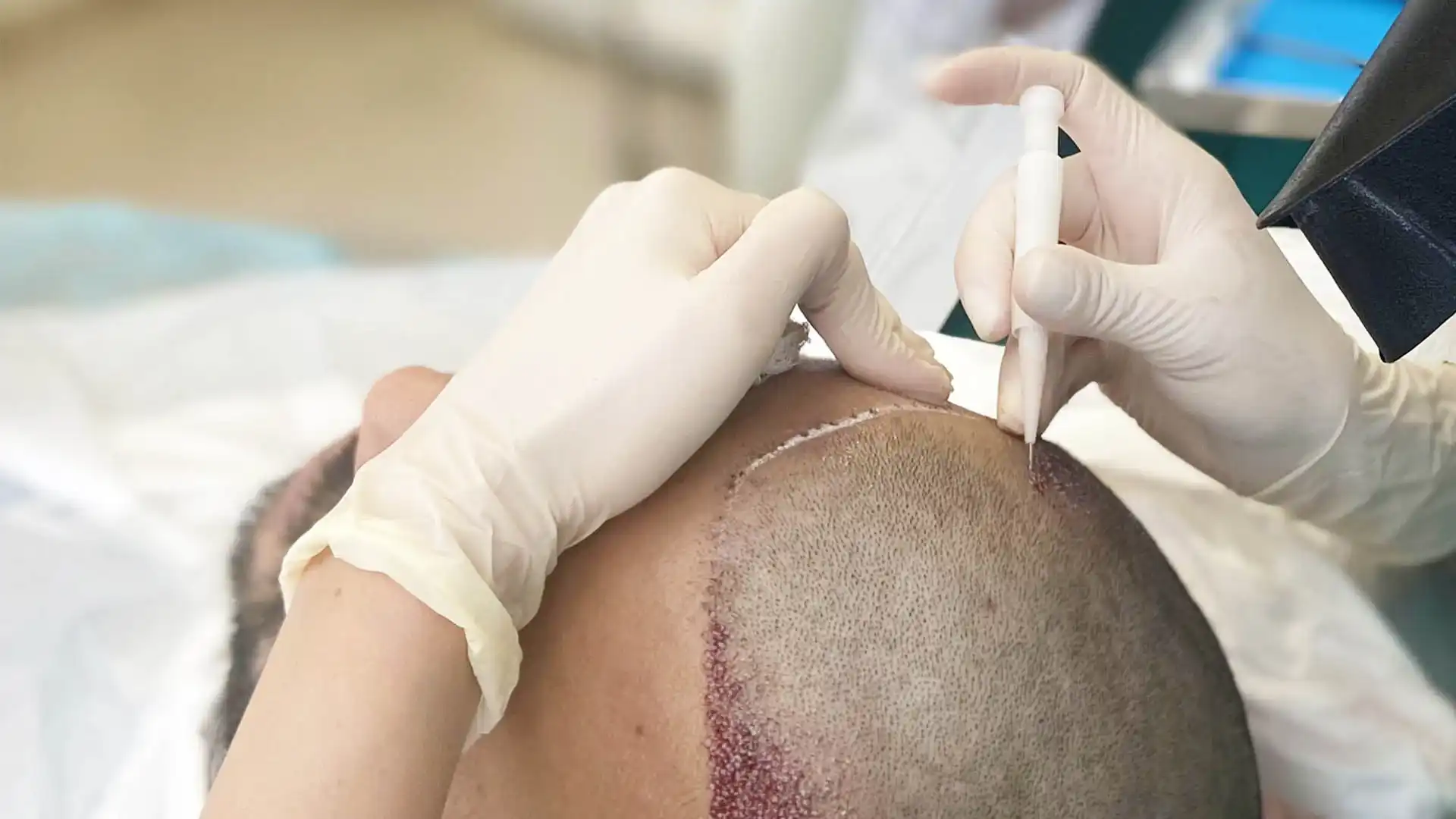
Individual grafts are extracted from the donor area and implanted along the hairline with precision.
DHI (Direct Hair Implantation)
A refined technique allowing controlled depth and angle during graft placement.
For frontal restoration, single-hair grafts are usually placed at the very front to create a soft, natural transition. Multi-hair grafts may be placed behind for density.
Precision and planning determine how natural the final result appears.
Cost of Hairline Restoration in Greece
The cost of hairline restoration depends largely on the number of grafts required. Since frontal procedures often involve fewer grafts than full crown restoration, pricing may be more moderate.
Cost factors include:
- Graft count
- Surgeon expertise
- Clinic reputation
- Technique used
- Complexity of design
Some clinics offer comprehensive packages that include consultation, procedure, medications, and follow-up care.
Patients should always confirm that the surgeon performs the critical implantation stages personally.
Recovery Timeline
Healing after hairline restoration follows predictable stages:
Days 1–3: Mild redness and slight swelling
Weeks 2–4: Temporary shedding of transplanted hairs
Months 3–4: Early regrowth begins
Month 6: Noticeable improvement in framing
Months 9–12: Final thickening and maturation
Most patients remain in Greece for two to three days before traveling home. Gradual growth is normal and expected.
Risks and Long-Term Considerations
Hairline procedures require conservative judgment. Poor planning can lead to:
- Hairlines placed too low
- Overharvesting from donor area
- Unnatural straight designs
- Imbalance as future hair loss progresses
When researching hair restoration in Greece, patients should prioritize long-term strategy over aggressive marketing claims.
A well-designed hairline should still look natural ten or twenty years later.
Is Hairline Restoration in Greece Worth It?
For many patients, Greece offers a strong balance between affordability and European medical oversight. When performed by experienced surgeons using modern techniques, hairline restoration can produce natural, subtle, and long-lasting results.
Ultimately, success depends on:
- Conservative design
- Skilled implantation
- Donor area preservation
- Realistic expectations
Location alone does not guarantee quality — surgical expertise does.
Careful research remains the foundation of a successful and natural-looking outcome.