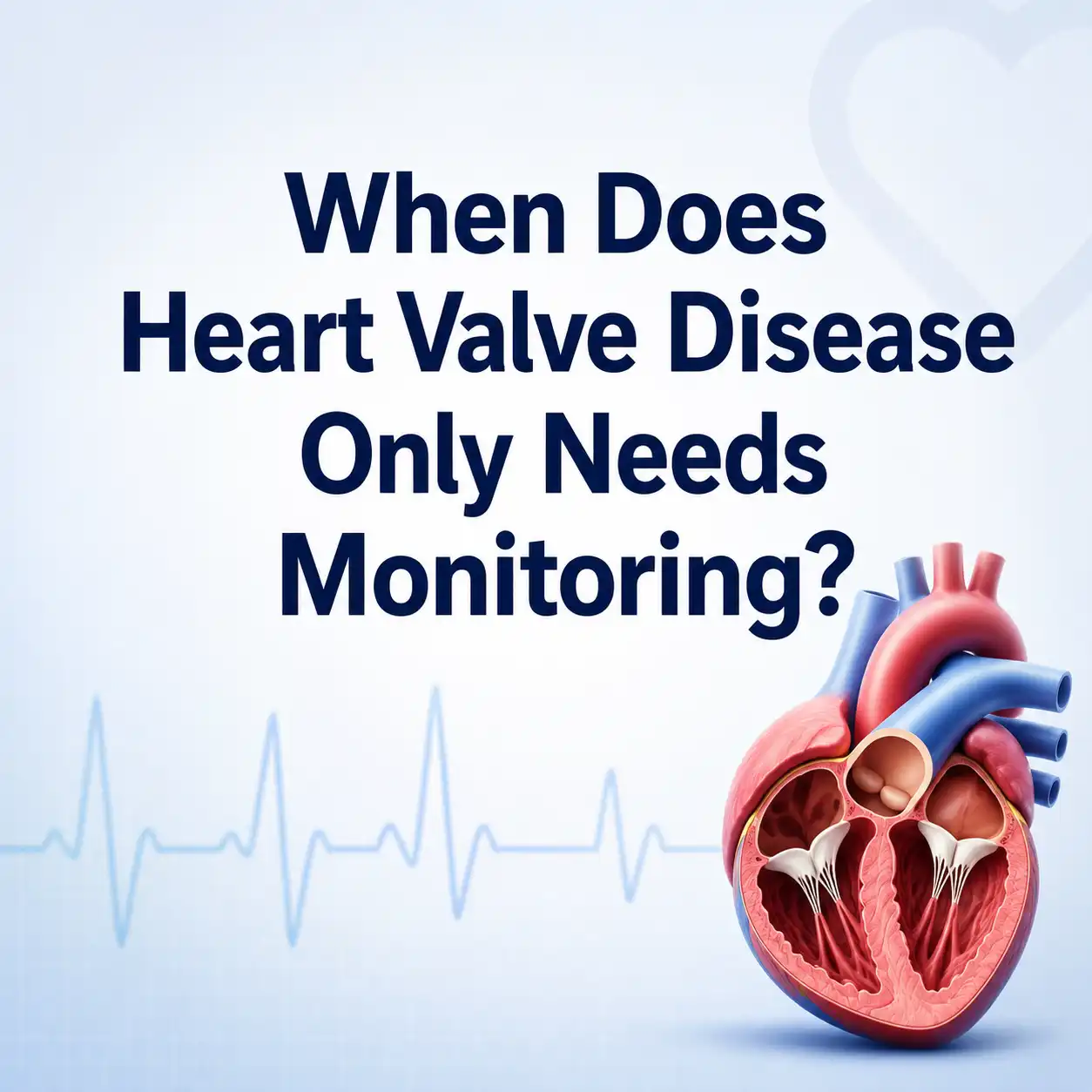
When people get to know that they are experiencing a heart valve disease, they often dejectedly think that surgery is the only remaining answer. Maybe they can take a few medications to keep the problem from worsening, but sooner or later, they will inevitably end up in the surgical room. But interestingly enough, this is not always how these conditions are treated, and, more importantly, surgery is not always required in such situations.
The truth is that people with valvular heart problems can easily live for years without needing any invasive treatment at all. All that may be required is a good mix of careful monitoring and regular follow-ups to keep things under control – just with these two things, you can easily maintain your quality of life. That said, surgical intervention still has its place in such conditions, and given how valvular problems tend to change over time, you still need to be very careful and not ignore any warning signs that may follow. So, keeping all this in mind, let’s break down what this disease actually is, when you can simply get by with monitoring it, and how doctors decide whether you’ll require treatment down the line.
What is valvular heart disease?
You probably already know that our heart contains four valves that direct blood in the right direction. With every heartbeat, these valves open and close to ensure that blood flows smoothly through the chambers and out into the rest of our body. But when one or more of these valves fail to function as intended, doctors call it valvular heart disease. In some people, this manifests as the valve becoming more narrowed and stiff, making it harder for blood to pass. In others, the valve may not close completely, which leads to regurgitation – a situation in which the blood ends up leaking backwards.
There are several reasons why this disease can happen. Age-related wear and tear is the most common cause, while certain infections, congenital heart conditions, and connective tissue disorders can also damage the valves over time. The bigger problem is that its symptoms often develop very slowly, and even when they do appear, they are initially very subtle. Think slight breathlessness when climbing stairs, feeling fatigued for no reason, dizziness, or occasional palpitation.
When is monitoring enough for heart valve diseases?
Generally speaking, you can get by with just monitoring if your valve disease is mild to moderate, there are no symptoms, or they are very minimal, and your heart is functioning normally for now. In such a case, the doctor will focus more on tracking the condition instead of fixing it with surgery. The monitoring process usually involves the use of regular echocardiograms – ultrasound scans that help doctors observe how well the valve and heart chambers are working, and more importantly, if the valve narrowing or leakage is worsening with time. These scans also show whether or not your heart is currently struggling under the added pressure.
Outside of these scans, your symptoms will also be monitored, as sometimes the imaging itself can appear relatively stable. In the background, however, you may be beginning to experience breathlessness, chest discomfort, or reduced tolerance to exercise. These signs are just as important as the scans, so inform your doctor about them with complete transparency.
As you can probably tell, the only thing that matters here is consistent follow-ups with a doctor. If you miss these reviews for years and then return only after the appearance of severe symptoms, your only option is going to be surgery. Also, do note that monitoring does not mean doing nothing for your health. Any good cardiologist in London or wherever you’re based will advise you to combine the follow-ups with lifestyle improvements, so don’t forget to proactively make positive adjustments in your life to avoid problems down the line.
Which valve conditions are typically monitored first?
Now, another thing you should know is that some valve issues only require consistent monitoring, while others will absolutely require surgery. Let’s start with mild mitral valve regurgitation first. In many cases, the leakage stemming from this condition tends to remain stable for years and often causes little to no disruption to daily life. If this is what you’re currently experiencing, you’ll likely only need to manage your blood pressure and get tested periodically.
Aortic stenosis is a condition that often starts mildly and progresses over time. If you’re in the early stage of this condition, the narrowing will not affect your blood flow enough to cause any symptoms. You can easily get by with monitoring in the early stages of this condition. However, as symptoms develop, this condition can progress from mild to serious very quickly, leading to surgery depending on the severity of your case.
Mitral valve prolapse is usually monitored rather than treated. This condition occurs when the valve flaps bulge slightly backwards during heart contractions. Though this may sound alarming at first, most people with this condition go on to live completely normal lives without ever facing any major complications. Then there are patients who are born with minor abnormalities in their valves who may never require surgery at all. Most of the time, their valve functions normally despite the structural difference, and doctors simply monitor their condition over time.
The common thread that ties all of these conditions is that, as long as the problem is not affecting your heart’s circulation, lung pressure, or overall heart functions, it is best to simply observe it from time to time. But, as soon as the symptoms go from manageable to severe, that’s when surgical intervention will come into play.
How much do lifestyle changes help when monitoring valve diseases?
Lifestyle changes alone are not enough to reverse structural valve damage. However, they are tremendously helpful in reducing strain on your heart and slowing the complications that could arise from the condition. The first thing you need to start taking care of is your blood pressure, as high BP can force the heart to work harder, worsening the valve’s health over time. Managing your cholesterol levels and weight, and staying physically active, will also go a long way toward supporting your cardiovascular health. You will likely need to engage in different exercises if your condition is on the milder side – though the type and intensity of your workouts may vary depending on what your doctor suggests.
Your diet matters a lot, too, as getting balanced meals every day will go a long way in supporting your blood pressure and overall cardiovascular health. Just try to avoid any extreme diets or wellness trends you see online for now. Realistically, they offer far less help than people online would claim, and just sticking to a healthy diet will help you manage your condition a lot better in the long run.
If you have a habit of smoking and have been diagnosed with a mild valvular heart disease, consider it a sign to quit altogether. Smoking can do a ton of damage to your blood vessels while also increasing cardiovascular strain across the board. Remember: If you’re monitoring your condition, you’re trying to prevent it from getting worse. So everything you do, including smoking, will count towards those efforts.
Take good care of your heart health
While hearing that you have a valvular heart condition can feel intimidating, remind yourself that not every valve problem immediately demands surgery. More than that, remember that if your condition is mild and stable, a bit of consistent monitoring is more than enough, and you can live your life to the fullest without any fear. But the only thing that truly matters here is consistency. So, try to be as proactive as you can by getting your scans regularly, following up with your doctors to see if the condition is stable, and paying attention to your symptoms as they arise.