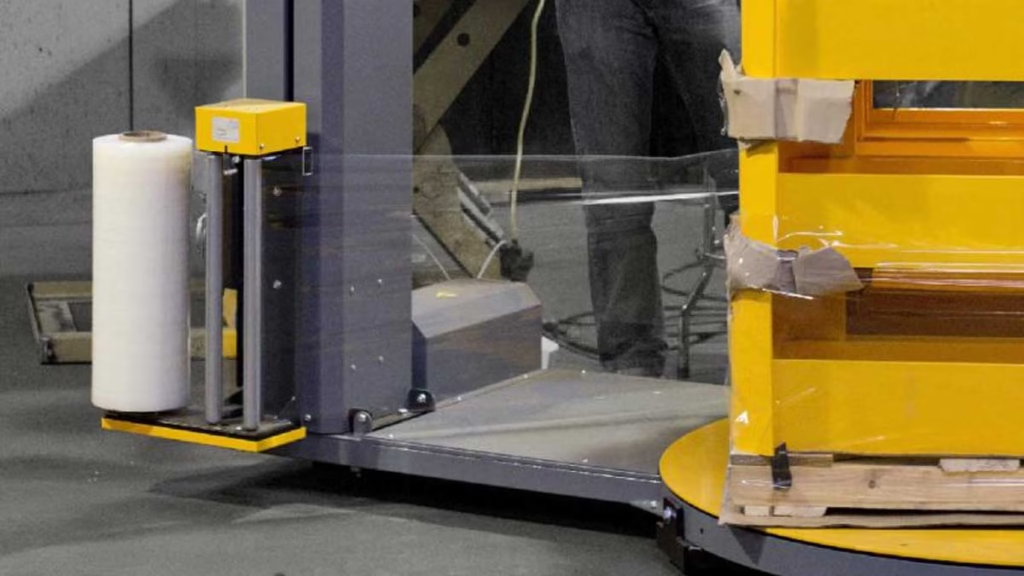
In Michigan, businesses in logistics and warehousing are always looking for ways to streamline their operations and improve efficiency. One such solution that has become increasingly popular is the automatic pallet wrapper. These machines are designed to automate the pallet wrapping process, reducing the need for manual labor while enhancing packaging speed and consistency.
This guide will explore how automatic pallet wrappers can improve operational efficiency in Michigan warehouses and help businesses meet the growing demands of the logistics and supply chain sectors.
1. The Role of Automatic Pallet Wrappers in Michigan Warehouses
For warehouses in Michigan, managing large volumes of goods and ensuring they are properly wrapped for transport is a critical part of daily operations. By automating the pallet wrapping process, businesses can significantly reduce the time spent on manual wrapping and increase the overall throughput of their operations.
Automatic pallet wrapper Michigan solutions provide a more reliable, efficient, and consistent alternative to manual methods. These machines not only save time but also reduce the risk of human error, which can lead to inconsistencies and product damage.
Key Benefits:
- Faster packaging: Automatic pallet wrappers can wrap pallets in a fraction of the time it takes for manual labor, enabling warehouses to handle more shipments per day.
- Consistency: Automation ensures every pallet is wrapped in the same way, which is vital for protecting goods during transit.
- Improved safety: By reducing the need for manual labor, businesses minimize the risk of injuries that can occur from repetitive tasks or handling heavy materials.
2. How Automatic Pallet Wrappers Enhance Workflow Efficiency
The operational efficiency of a warehouse is directly tied to its workflow. An automatic pallet wrapper helps optimize the flow of goods by reducing bottlenecks caused by manual wrapping. These machines integrate seamlessly into warehouse operations, allowing businesses to maintain a steady pace and reduce downtime.
By automating the wrapping process, warehouses can allocate resources more effectively and ensure that workers focus on higher-value tasks, such as inventory management or quality control.
Workflow Enhancements:
- Minimized interruptions: Automatic wrappers work continuously with minimal maintenance, reducing disruptions in the packaging process.
- Faster integration: These machines integrate easily into existing workflows, ensuring minimal adjustments to current operations.
- Increased throughput: With faster wrapping times, warehouses can process more pallets per hour, increasing their overall productivity.
3. Cost Savings Through Automation
Although the initial investment in an automatic pallet wrapper may seem high, the long-term cost savings make it a worthwhile investment for Michigan warehouses. The automation of the wrapping process leads to lower labor costs, reduced material waste, and higher operational throughput, all of which contribute to greater profitability.
By investing in an automatic pallet wrapper Michigan, businesses can expect to see a return on investment through increased efficiency and lower operational expenses.
Key Areas of Cost Savings:
- Labor reduction: Automation reduces the need for manual labor, cutting down on wages and benefits associated with staffing the wrapping process.
- Reduced material waste: Automatic wrappers use stretch film more efficiently, minimizing waste and cutting down on material costs.
- Higher throughput: With increased speed and efficiency, warehouses can process more orders, generating additional revenue without incurring higher costs.
4. Improving Packaging Consistency and Product Protection
Packaging consistency is a critical factor in protecting goods during transport. Automatic pallet wrappers ensure that each pallet is wrapped securely, with consistent film tension and coverage, helping to prevent damage during shipping. For Michigan warehouses, this means fewer returns due to damaged goods and fewer product losses in transit.
Automatic wrapping systems provide precise control over the wrapping process, ensuring that the right amount of stretch film is applied to each pallet, which secures products more effectively.
Benefits of Consistent Packaging:
- Prevention of damage: Properly wrapped pallets are less likely to shift or sustain damage during transportation.
- Uniformity: Consistent wrapping ensures that products are handled the same way, improving the overall quality of packaging.
- Increased customer satisfaction: Reliable packaging translates into fewer complaints and returns, enhancing customer trust and satisfaction.
5. How to Select the Right Automatic Pallet Wrapper for Your Warehouse
Choosing the right automatic pallet wrapper for your Michigan warehouse is essential to maximize its potential benefits. Factors such as pallet size, wrapping speed, and material usage should be taken into account to ensure the chosen machine meets the specific needs of your operation.
By consulting with an expert in automatic pallet wrapping, Michigan businesses can make an informed decision about which model will provide the most value to their warehouse operations.
Key Considerations:
- Pallet dimensions: Make sure the machine is compatible with the size and weight of the pallets typically handled in your warehouse.
- Wrapping speed: Choose a machine with the appropriate wrapping speed to match your operational needs and volume of goods.
- Customization options: Some machines offer customizable features, such as adjustable tension and speed, to accommodate different types of products.
By selecting the right automatic pallet wrapper Michigan, warehouses can ensure that their packaging process is both efficient and reliable.
Closing Perspective
For warehouses, the decision to implement an automatic pallet wrapper Michigan can have a significant impact on operational efficiency. These machines improve packaging speed, consistency, and overall cost-effectiveness, helping businesses meet the growing demands of the logistics and supply chain sectors.
By automating the pallet wrapping process, warehouses can reduce labor costs, improve product protection, and ensure faster throughput. As operational demands continue to increase, automatic pallet wrappers will remain an essential tool for businesses looking to stay competitive in the marketplace.