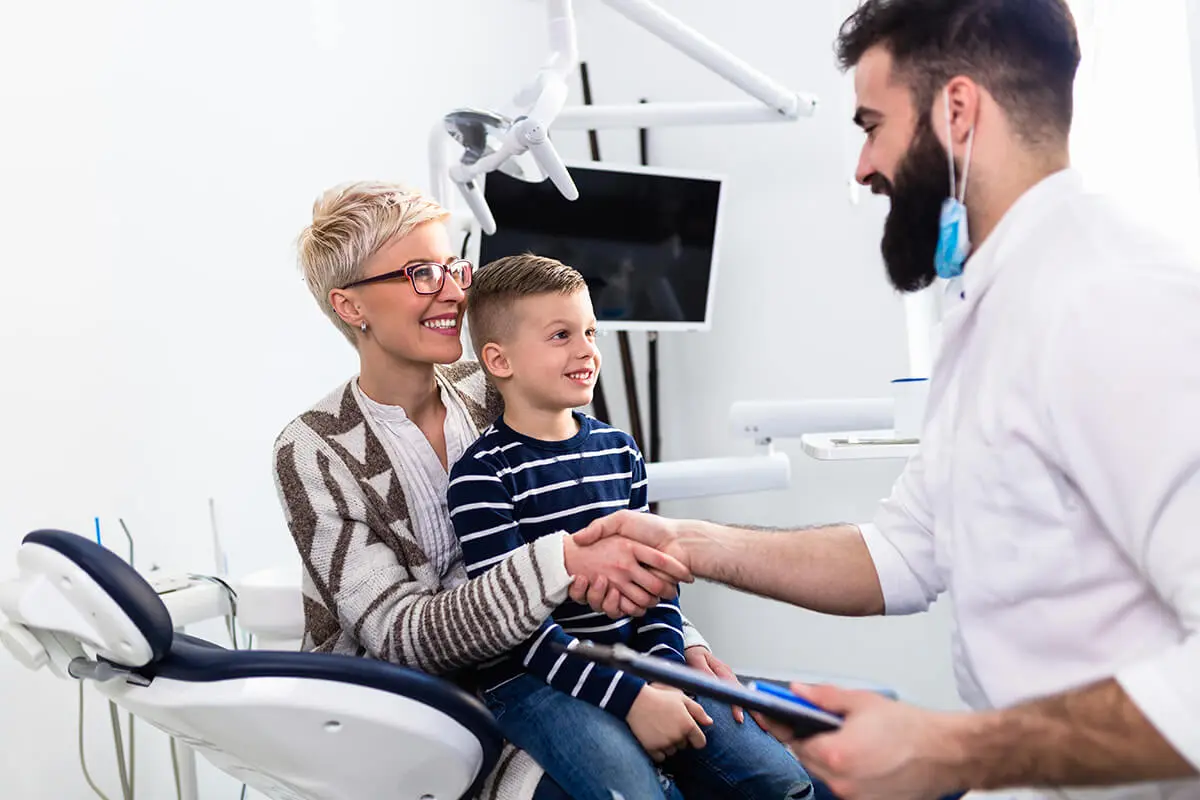
You might be feeling pulled in a dozen directions at once. School lunches, homework, sports, picky eating, screen time. Then on top of it all, you catch a glimpse of your child’s teeth and wonder whether you are doing enough to protect their smile. Maybe you feel a little guilty about that missed checkup with a dentist in Akron, OH, or the cavity that showed up at the last visit. It can feel like one more thing you are supposed to “get right” as a parent.end
Because of this pressure, you might find yourself worrying late at night. Are my kids brushing well enough. Is this thumb sucking going to cause problems. What if I miss something serious. This is where a trusted family dentist can change the entire story. Instead of guessing and worrying, you have a calm guide who knows your child’s teeth, knows your family, and helps you stay ahead of problems.
Put simply, family dentistry gives you two things that matter more than anything else. Early protection for your child’s health and steady reassurance for your own peace of mind. You still have to care, ask questions, and show up. You just do not have to carry the burden alone.
Why do parents feel so anxious about their children’s teeth?
Most parents are not worried about having picture perfect smiles in family photos. The deeper fear is missing something. You do your best with brushing and snacks, yet you are not a dentist, and kids do not always tell you when something hurts until it is a big problem.
For example, a small cavity can sit quietly for months. Your child may chew on the other side without saying anything. By the time you notice sensitivity or see a dark spot, the decay can be much larger, which means a more involved treatment and a bigger bill. That is the kind of surprise every parent wants to avoid.
Then there is the emotional side. A bad first dental experience can stay with a child for years. If your own childhood memories of the dentist were stressful, you might worry about repeating that pattern with your kids. You want them to feel safe, not scared, in the chair.
On top of that, expert advice can be confusing. One person says fluoride is essential. Another says avoid it. Someone else warns about pacifiers, while another says they are fine. You read about sealants, early orthodontics, tongue ties, grinding at night. It can feel like a maze with no clear path.
So where does that leave you. Often, it leaves you stuck between worry and inaction. You know oral health matters, yet you are not always sure what to do next or whom to trust.
How does a family dentist turn that worry into peace of mind?
A good family dental care provider does more than fix teeth. They build a relationship with your entire household. They watch your child grow from toddler to teen and understand the patterns, habits, and risks that are unique to your family.
Here is how that relationship eases your mind.
First, there is prevention. Regular checkups and cleanings mean your dentist can catch early signs of decay, gum issues, or bite problems long before they cause pain. Guidance from sources like the CDC’s oral health tips for children is helpful, yet it becomes far more powerful when a dentist who knows your child puts it into a simple plan for your home.
Second, there is predictability. Instead of waiting for an emergency, you follow a steady rhythm. You know when the next visit is. You know what the focus will be at each age. You know who to call if something chips or swells or bleeds. That structure alone can lower your background stress in a big way.
Third, there is emotional safety. Family dentists who work with children every day become skilled at pacing, explaining, and making visits feel normal. They know how to help a nervous child sit in the chair. They understand that a calm parent often starts with a calm dentist. Over time, your child builds trust, which makes every future visit easier.
Finally, there is guidance that fits your real life. Instead of generic advice, your dentist can talk through your child’s specific habits. Maybe your child loves sports drinks, or still uses a bottle at night, or has sensory issues that make brushing hard. A steady partner can help you find small, realistic changes that add up.
Resources like the American Academy of Pediatrics oral health resources for families are valuable, and a family dentist can walk through them with you, highlight what matters most for your situation, and ease the pressure to be perfect.
What should you weigh when choosing family dentistry for your child?
Parents often wonder if going to a family practice really makes a difference compared with “just getting teeth cleaned” here and there. A simple way to look at it is to compare a reactive approach with a steady, relationship based approach.
| Approach | How it feels for parents | Impact on children | Long term cost risk |
|---|---|---|---|
| Occasional or emergency only care | Unpredictable, stressful when problems appear, hard to know what you are missing | Visits often linked to pain or fear, fewer chances to build trust and good habits | Higher risk of large treatments like root canals or extractions later |
| Consistent care with a trusted family dentist | More predictable, questions answered early, shared plan for each child | Visits feel routine, more coaching on brushing, diet, and habits | Better chance of catching problems early, which can mean simpler and less costly care |
When you look at it this way, family dentistry services are not just about convenience. They are about creating a safer, calmer environment for both you and your child, and about reducing the chances of expensive surprises later.
What can you do right now to protect your child’s smile?
You do not need a perfect plan. You just need a few clear steps you can start today.
1. Set a steady routine at home
Commit to brushing twice a day with a fluoride toothpaste, and flossing once a day once teeth touch. Make it a family routine rather than a chore you nag about. Brush your own teeth at the same time. Use a timer or a favorite song for two minutes. Small rituals like this slowly build habits that last.
If brushing is a struggle, focus first on making it short and positive instead of long and perfect. You can add more thorough cleaning as your child’s cooperation grows.
2. Schedule regular checkups, even if everything “looks fine”
If it has been more than six months since your child’s last visit, call a family dentist and book an appointment. Mention any worries, even if they feel minor. A good dentist would rather hear a “false alarm” than see a problem too late.
Ask about sealants, fluoride treatments, and how often your child truly needs X rays. Work together to balance protection with your comfort level. The key is consistency. Regular, calm visits do far more for peace of mind than waiting for something to look wrong.
3. Use your dentist as a guide, not just a fixer
Bring your questions. Ask about thumb sucking, nail biting, sports mouthguards, sugary snacks, or whatever is causing you to worry. Take advantage of the fact that your dentist sees many children and can tell you what is common, what is concerning, and what can wait.
You can also ask for simple, written instructions or visuals for your child. Many kids respond well to charts, stickers, or short videos recommended by their dental team. The more involved your child feels, the less resistance you will see over time.
Finding calm in the chaos of parenting
Parenting will always come with unknowns. You cannot control every cavity or every accident. What you can control is whether you walk that path alone or with a trusted partner by your side. A caring family dentist turns dental care from a source of quiet worry into a steady rhythm that supports your child’s health and your own peace of mind.
You do not need to have all the answers before you reach out. Start with one small step. Put the next checkup on the calendar, gather your questions, and give yourself credit for caring enough to act. Your child does not need perfect teeth. They need a parent who shows up and a team that stands with you. That is the real power of family dentistry for parents who want a little more calm in their day and a lot more confidence in their child’s smile.