You might be in a familiar spot. Life is busy, your teeth do not hurt, and apart from the odd twinge when you bite into something cold, everything seems fine. A dental checkup or even exploring west Houston cosmetic dentistry feels easy to postpone. After all, if something was really wrong, you would feel it, right.end
- Why waiting for pain is such a risky way to manage your teeth
- What your general dentist is quietly checking every time you sit in the chair
- Is it worth going in if nothing hurts A simple comparison
- Three practical steps to catch issues before they catch you
- Moving from fear and avoidance to calm and prevention
Then there is the “after.” The sudden toothache on a Sunday night. The broken filling during a workday. The call from a dentist who finds something suspicious during a rushed emergency visit. In that moment it is hard not to wonder whether all of this could have been caught earlier.
Here is the quiet truth. A good general dentist is looking for problems long before you ever feel pain. Modern exams and tests are designed to catch tiny changes in your teeth, gums and mouth while everything still feels “normal” to you. That is how general dentistry finds problems early and helps you avoid big, expensive and scary treatment later.
So where does that leave you. It means that even if you feel fine, there is a lot happening below the surface, and a routine visit is far more than a quick polish. It is a careful check that can protect your comfort, your money and in some cases even your life.
Why waiting for pain is such a risky way to manage your teeth
It is completely understandable to use pain as your guide. Pain feels like the body’s alarm system, so if it is quiet, everything must be okay. The problem is that teeth and gums often stay silent while damage builds.
Take cavities. In their earliest stages, they are just soft spots in the enamel. You cannot see them. You cannot feel them. Yet a dentist can often spot them with good lighting, magnification and X rays. The American Dental Association has clear guidance on caries risk assessment and management, and it confirms what many people find surprising. Cavities can be detected and managed before they ever hurt.
Gum disease behaves the same way. Early gum inflammation might show up as mild bleeding when you floss, or no obvious sign at all. You probably do not feel anything. Your dentist, however, can measure tiny changes in the spaces between your teeth and gums and pick up early warning signs long before you notice looseness, bad breath or sensitivity.
The emotional side of this is real. No one likes the idea of being told they have a problem they cannot see or feel. It can feel unfair, even suspicious, especially if money is tight. You might think “If it does not hurt, how bad can it be.” The hard part is that when pain finally appears, the problem is usually larger, which means more time in the chair and higher costs.
So how can a general dentist know something is wrong when you feel completely fine.
What your general dentist is quietly checking every time you sit in the chair
A routine visit may feel simple to you, but your dentist is running through a long mental checklist. It is a bit like a pilot running preflight checks. You may not see it, yet it keeps you safe.
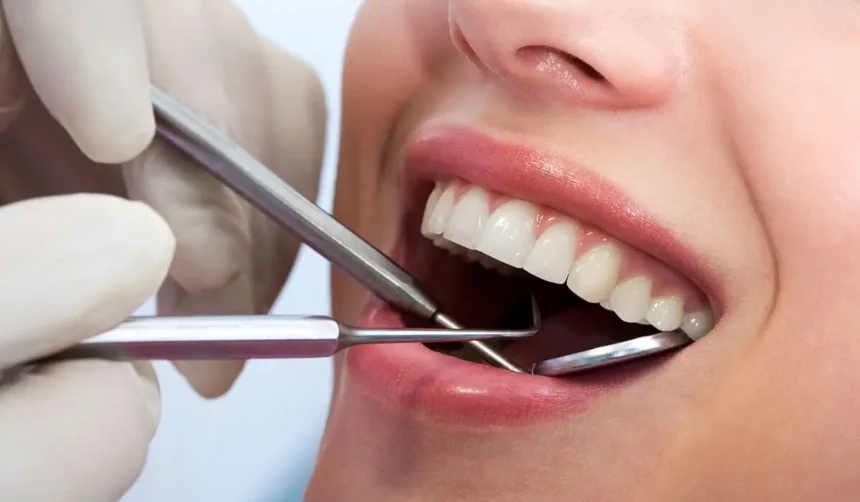
First, there is the visual and tactile exam. The dentist looks closely at each tooth and runs a small instrument over the surfaces. They are checking for soft spots, tiny cracks, or areas where the enamel has worn thin. They also look at your gums to see if they are puffy, red or receding.
Then there are X rays. These let your dentist see between the teeth and under old fillings, where cavities love to hide. X rays can also show bone loss from gum disease, infections at the root tips and even cysts or other growths. You might only see a flat image on a screen. Your dentist is reading it like a map of your mouth.
Many general dentists also perform an oral cancer screening as part of a standard exam. They check your tongue, cheeks, throat and the roof and floor of your mouth for color changes, sores or lumps. The American Dental Association has reaffirmed how important these clinical exams are for early oral cancer detection. This is one of the clearest examples of why waiting for pain can be dangerous, because oral cancer is often painless in the early stages.
There is also a quieter layer of assessment. Your dentist is watching how your teeth come together when you bite. They might notice signs of grinding. They may see wear patterns that suggest your jaw joints are under stress. All of these things can be addressed more gently when they are caught early.
So while you might feel like you are “just getting a cleaning,” your general dentist is actually running a full health check on your mouth.
Is it worth going in if nothing hurts A simple comparison
It can help to see what is really at stake when you choose early detection through regular exams versus waiting until something forces you into the chair.
| Approach | When Problems Are Found | Typical Treatment | Time & Cost Impact | Emotional Impact |
|---|---|---|---|---|
| Regular general dentist visits | Early, before pain or visible damage | Small fillings, deep cleanings, fluoride, simple habit changes | Short visits, lower overall cost over time | More control, fewer emergencies, less anxiety |
| Waiting for pain or symptoms | Late, once damage is advanced | Root canals, crowns, extractions, gum surgery | Longer visits, higher one time and lifetime cost | Stress, fear, rushed decisions, regret about delay |
Of course, you cannot undo the past. If you have already waited and something hurts now, there is no shame in that. Many people only learn the value of early detection after their first dental emergency. The important thing is what you choose from this point forward.
Three practical steps to catch issues before they catch you
1. Treat your checkups like you treat your annual physical
Put them on the calendar, not on the “when I get around to it” list. For most adults, a general exam and cleaning every six months is enough, though your dentist may suggest a different schedule based on your risk. Think of it as your safety net. Even if you have great home care, you still need that professional eye to catch what you cannot see.
If you feel anxious or embarrassed because it has been a long time, say that out loud when you book. A good office will understand. They see people returning after years away all the time. What matters is that you are coming in now.
2. Be honest about your habits and your worries
Your dentist is not judging you. They are trying to match your real life with the right level of protection. If you sip soda all day, grind your teeth at night, use nicotine, or have a health condition like diabetes, share that. These details help your dentist assess your risk and decide how aggressively to watch for problems.
If you are worried about cost, say that too. There are often lower cost options for early care that disappear once a problem grows. Catching something while it is small gives you more choices, including simpler and more affordable treatment plans.
3. Pay attention to “small” signs between visits
Even though many problems are silent at first, your body does whisper sometimes. Bleeding when you floss, a tooth that feels a little “off” when you bite, a rough edge you keep touching with your tongue, a sore that does not heal within two weeks. These are all reasons to call your general dentist instead of waiting for a full blown crisis.
You do not need to decide whether it is serious. That is your dentist’s job. Your job is simply to notice and speak up. The earlier you mention a small change, the more likely it can be handled quickly and gently.
Moving from fear and avoidance to calm and prevention
If you have been living with the hope that “no pain means no problem,” you are far from alone. Many people were never told how early dental detection without symptoms really works, so they feel blindsided when something big shows up.
You deserve a calmer story than that. A relationship with a general dentist who knows you, who watches for quiet changes, and who gives you time to ask questions can turn dental care from something you dread into something that quietly protects you in the background.
Your next step does not have to be dramatic. It can be as simple as scheduling a routine exam and cleaning, even if you feel fine. That one decision opens the door for problems to be found when they are still small, manageable and far less frightening.
Your mouth may feel okay today. With the right care, it can stay that way, not by accident, but by choice.