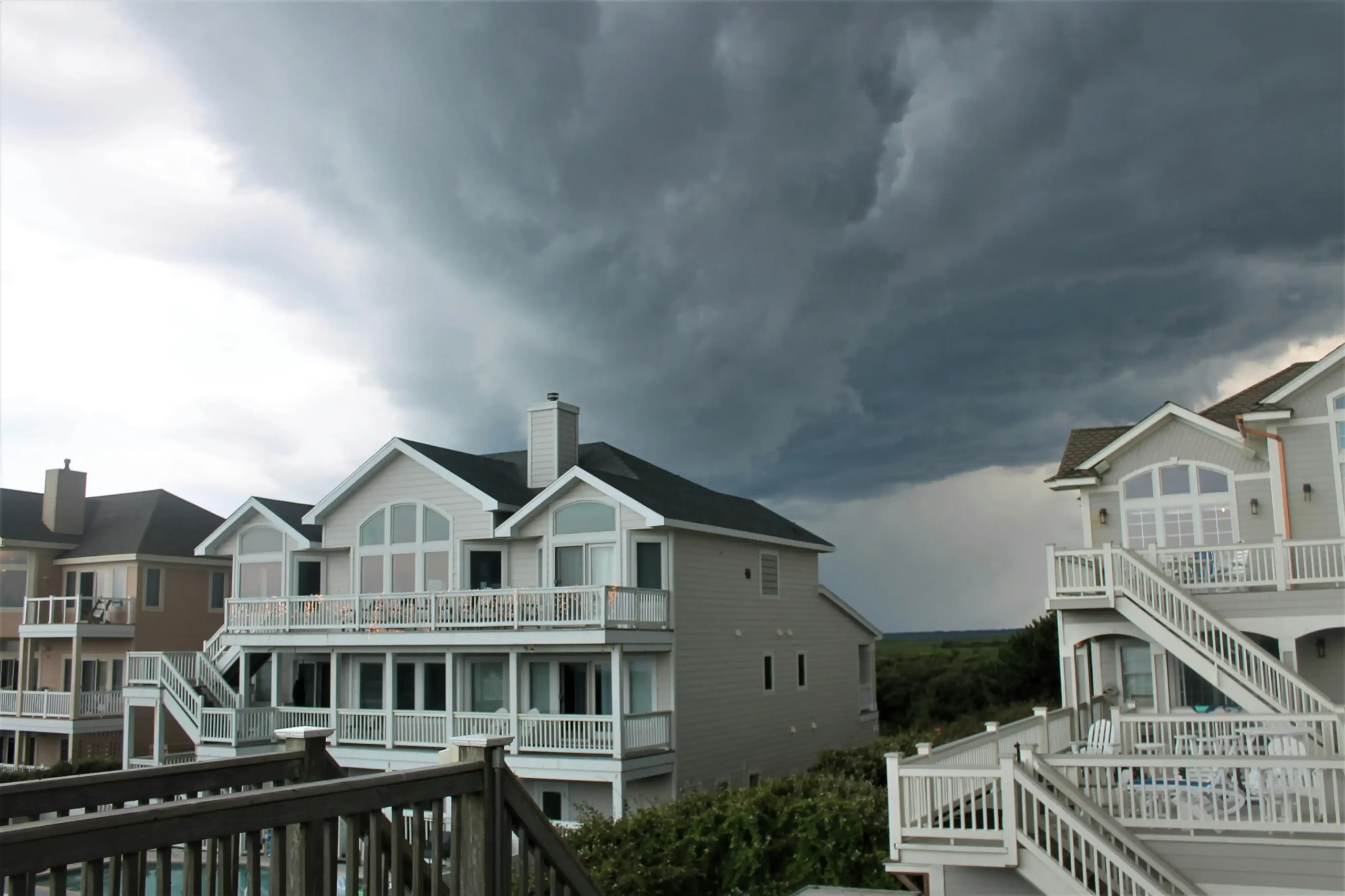
Late summer along the coast usually brings a familiar knot of dread to your stomach. You watch the local weather report as a new cluster of storms begins to organize in the ocean. Almost immediately, the anxiety of last-minute preparation sets in.
You mentally calculate how much daylight you have left to drag heavy materials out of the garage. It is an exhausting, sweat-soaked ritual that no homeowner looks forward to. Unfortunately, this scenario plays out multiple times a year.
A typical Atlantic hurricane season produces 14 named storms, seven hurricanes, and three major hurricanes. With that frequency, relying on outdated, back-breaking methods to secure your home is a recipe for burnout.
The Hidden Physical and Mental Toll of Traditional Storm Prep
The Dangers of Last-Minute Rushing
The traditional method of boarding up a house requires immense physical exertion. Hauling thick sheets of plywood or rigid metal panels across your yard is tough work. Doing it while rushing against an approaching storm creates a highly dangerous environment.
You have to measure, balance, and drill heavy materials while standing on a shaky ladder. Medical experts warn that ladder-related falls during storm prep can cause severe injuries. They also note that the frantic rush leads to significant fear and anxiety.
Statistics show that only 41% of people report high pre-hurricane preparedness. Research proves that lower preparedness is directly linked to higher detrimental health impacts and psychological stress. When the process is too hard, people delay doing it, which only compounds the panic later.
A Faster, Safer Alternative
True peace of mind comes from adopting a system that completely removes heavy lifting from the equation. You should not have to handle dangerous power tools or climb two stories up just to protect your living room windows. The best defense is one that is already in place and ready to go at a moment’s notice.
Instead of spending days wrestling with heavy metal panels or climbing ladders to drill plywood, many homeowners are choosing to upgrade to permanent solutions that deploy in minutes.
By installing DIY roll-down hurricane screens, you can secure your home in a fast and straightforward way. A simple mechanism allows the screen to be lowered and secured into position. This helps homeowners act quickly and focus their attention on protecting their family and ensuring their home is safely secured.
Time Comparison: Traditional Panels vs. Roll-Down Screens
Preparing a house with traditional shutters is a deeply frustrating 2-3 day process. First, you have to dig out the sharp metal panels or splintered plywood from the back of the garage. Then comes the tedious task of tracking down the specific wingnuts, tracks, and hardware for every single window.
Individually mounting these heavy barriers takes hours of direct labor. You often need a second person just to hold the panels steady while you secure them. By the time you finish, you have lost a weekend to grueling manual labor.
Manual roll-down screens offer a complete contrast to this outdated timeline. They are DIY-friendly, requiring only basic hand tools for the one-time initial installation. Once mounted above your windows or patio, they live there permanently.
When a storm approaches, there is no searching for hardware or carrying heavy materials. You simply walk up to the housing and lower the screen. The deployment takes mere minutes, dramatically shifting your storm prep from a multi-day ordeal to a brief morning chore.
| Feature | Plywood Boards | Rigid Metal Panels | Manual Roll-Down Screens |
|---|---|---|---|
| Installation Time | 2-3 Days | 1-2 Days | Permanent (One-time setup) |
| Deployment Time | Hours to Days | Hours | Minutes |
| Tools Required | Saws, drills, screws, ladders | Wingnuts, bolts, ladders | Simple hand crank |
| Physical Effort | High (Heavy lifting, measuring) | High (Sharp edges, lifting) | Low (No lifting required) |
Why Manual Systems Outperform Motorized Shutters During an Outage
Motorized storm shutters initially sound like the ultimate convenience. Pressing a button on a remote control to secure your home feels like a luxury upgrade. However, this system harbors a fatal flaw when faced with a natural disaster.
Motorized systems rely entirely on a functioning power grid. Major hurricanes guarantee downed power lines, blown transformers, and widespread blackouts. If you lose power before you can lower your shutters, your home is completely unprotected.
A heavy-duty manual crank system eliminates this massive stress point entirely. Because there are no motors to fail, you never have to worry about the electrical grid. You also avoid the need for emergency electricians and costly motor repair bills after the storm passes.
This manual control provides incredible peace of mind during the aftermath. If your neighborhood loses power for a week, you can easily open your screens to let in fresh air. You can check your property for damage and close the screens again before nightfall, all without needing a generator.
Ditching the “Dark Cave”: Material and Aesthetic Differences
Traditional solid metal or plywood shutters create a notoriously claustrophobic environment inside the home. Once they are bolted into place, they completely block out the sun. This traps families in a dark, hot, and stuffy box while the storm rages outside.
Being sealed inside a dark house with no visual access to the outside heightens psychological stress. You can hear the wind howling, but you cannot see if a tree has fallen or if water is rising. It turns your living space into a blind fortress, adding to the trauma of the event.
Category 5-rated, high-velocity woven fabric completely solves this problem. The proprietary material is designed to allow ambient light to filter into your home. It maintains a natural view of the outside, so you can monitor your property without feeling trapped in a cave.
Beyond aesthetics, the material boasts vastly superior impact resistance. Proprietary woven fabric acts like a heavy-duty trampoline against flying debris. It absorbs, dissipates, and flexes to safely deflect projectiles, whereas rigid metal panels can easily dent, warp, or tear completely off their tracks.
Conclusion
Hurricane preparation no longer has to dictate days of exhausting labor, serious ladder risks, and heightened anxiety. The old methods of hauling heavy materials and rushing against the clock are simply not worth the physical toll. You deserve a solution that protects your home without draining your energy and mental health.
The shift toward manual, woven-fabric roll-down screens is the smarter, faster, and more reliable choice for coastal homeowners. These systems deploy in minutes and require zero electricity. They offer superior impact protection while keeping your home bright and comfortable during the worst weather.
Take control of your storm readiness today. Make the decision to ditch the splintered plywood and sharp metal panels for good. Upgrade your home with a permanent roll-down system long before the next named storm ever appears on the radar.