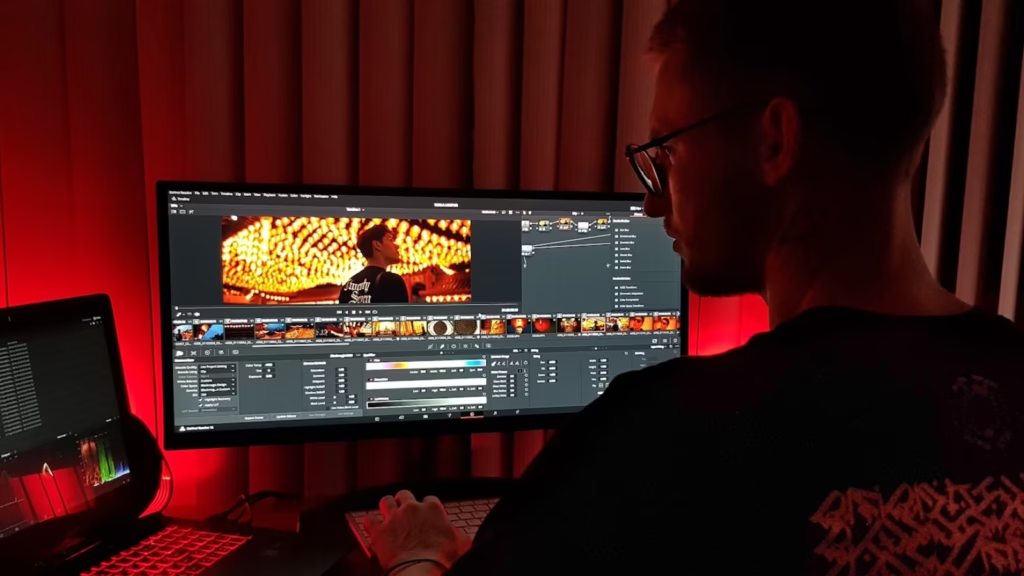
Behind every polished video lies a creative process that most audiences never see. While finished videos capture attention, the real storytelling happens inside the editing workspace. Screens filled with timelines, layers, clips, and adjustments tell a deeper story about how ideas are shaped into visuals. This is why pictures of editor environments have become so meaningful in today’s content-driven world. They offer a window into the creative decisions, workflow, and human judgment that define modern video production.
As video creation becomes more accessible, editing is no longer limited to professional studios. Creators across the world now rely on digital tools to bring their ideas to life. From social media clips to educational content and brand storytelling, editing spaces have become the heart of visual communication. Images of these spaces highlight how creativity, technology, and storytelling intersect.
What Pictures of Editor Really Represent
Pictures of editor interfaces are more than screenshots. They represent moments of decision-making. Every visible timeline cut, layered clip, and adjusted transition reflects a choice made to improve clarity, emotion, or flow. These visuals show how creators organize chaos into coherence.
For beginners, such images offer inspiration and learning. For experienced creators, they reflect personal workflows and creative habits. They also remind audiences that even in a fast-moving digital world, video creation remains a thoughtful, hands-on process guided by human insight.
The Rise of Accessible Editing Tools
As video content demand has grown, so has the need for tools that are easy to use and widely available. Free video editing software has played a major role in this shift. It has removed cost barriers and opened creative opportunities for students, freelancers, educators, small businesses, and independent creators.
These tools allow anyone to experiment with editing, explore storytelling techniques, and refine visual ideas without needing expensive licenses. When creators share pictures of editor workspaces built on free tools, it reinforces an important idea: quality content is no longer defined by budget, but by creativity and intention.
Editing as a Visual Thinking Process
Editing is not just about cutting clips; it is a form of visual thinking. Editors see stories in fragments and assemble them into narratives. Pictures of editor layouts show how creators map ideas visually, using timelines as storytelling guides.
This process becomes even more important when working on longer projects or complex narratives. Visual organization helps creators maintain consistency, pacing, and emotional flow. Editing software, whether paid or free, becomes the space where ideas evolve into structured stories.
How Free Video Editing Software Supports Creativity
Free video editing software is often underestimated, but modern tools offer impressive capabilities. They support trimming, layering, transitions, text, audio control, and visual adjustments that meet real creative needs. What makes them powerful is not just their features, but their accessibility.
Creators can explore ideas freely without worrying about subscriptions or limitations. This freedom encourages experimentation, learning, and growth. Many creators develop their skills entirely through free tools, proving that creativity thrives when access is open.
Learning Through Visual Examples
Many people learn editing by observing others. Pictures of editor environments shared online help demystify the editing process. They show how projects are structured and how creative problems are solved visually.
For newcomers, these images reduce intimidation. They make editing feel approachable rather than overwhelming. Combined with free video editing software, they create a learning ecosystem where creators can grow at their own pace.
Human Creativity in a Digital Workspace
Even as automation and smart tools advance, editing remains deeply human. Software provides the tools, but creators provide meaning. Pictures of editor workspaces remind us that behind every video is someone making decisions about timing, tone, and emotion.
These decisions shape how audiences experience content. Editing transforms raw material into stories that connect, inform, and inspire. Whether using professional platforms or free video editing software, the creative process remains personal and intentional.
The Future of Editing and Visual Storytelling
The future of video creation will continue to balance technology and creativity. Tools will become more intuitive, and editing workflows will grow more efficient. Yet the essence of editing will remain unchanged: shaping ideas into stories.
Pictures of editor environments will continue to symbolize this creative space. They capture the moment where imagination meets execution and where technology serves storytelling rather than replacing it.
Final Thoughts
Pictures of editor workspaces offer a rare look into the creative heart of video production. They show how ideas are organized, refined, and transformed into visual narratives. At the same time, free video editing software ensures that this creative process is open to everyone, regardless of background or budget.
Together, they represent a shift toward inclusive creativity. Video editing is no longer hidden behind studio walls. It is visible, accessible, and driven by human vision. In a world where video defines communication, these tools and spaces empower creators to tell stories that truly matter.