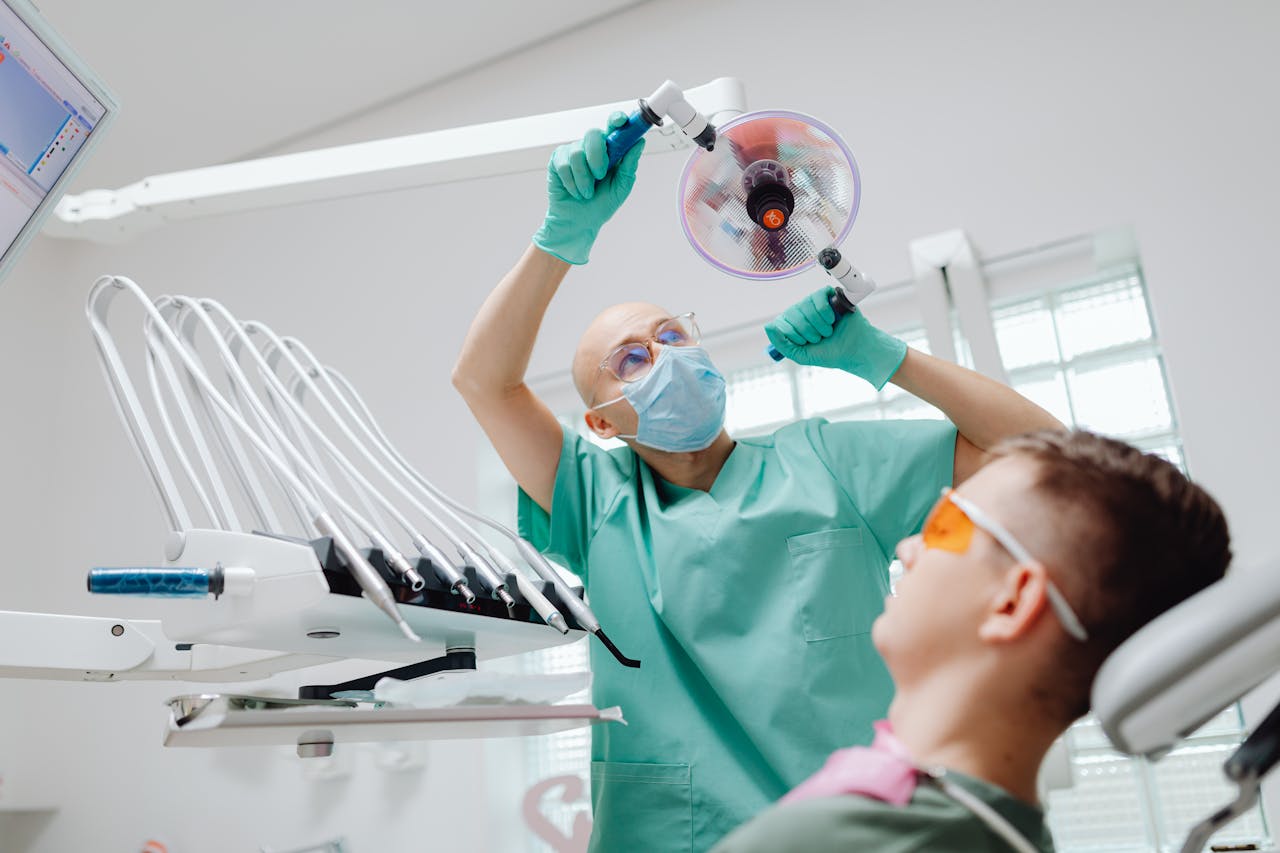
You invested time and money to repair your smile. Now you want those restorations to last. Crowns, veneers, fillings, and implants can fail sooner than you expect if you skip simple preventive steps. You face constant threats from plaque, grinding, and everyday wear. Small problems grow fast and turn a strong restoration into a weak spot. Preventive dentistry stops that spiral. You gain early warnings, gentle cleanings, and targeted advice that protect both tooth and restoration. You also avoid sudden pain and emergency visits. A Jacksonville dental care provider can track tiny changes in your bite, your gums, and your restorations before you see or feel them. That steady watch protects your comfort, your appearance, and your budget. This guide explains how routine care, smart habits, and quick action support the long life of every restoration in your mouth.
Why Aesthetic Restorations Need Extra Protection
A crown or veneer looks strong. It still depends on the tooth and gum around it. If the support fails, the restoration fails.
Three common threats stand out.
- Decay at the edges. Bacteria hide where the tooth meets the restoration. Decay starts small. It soon reaches under the crown or veneer.
- Gum disease. Swollen or receding gums expose edges and roots. That exposure loosens support and changes your smile line.
- Bite stress. Grinding or clenching puts heavy force on porcelain and fillings. Cracks and chips follow.
Preventive care targets each threat before it turns into tooth loss or costly repair.
Daily Habits That Protect Your Restorations
Your routine at home sets the base for long lasting restorations. Three habits matter most.
- Brush two times a day. Use a soft brush. Clean for two minutes. Focus on the gumline and the edges of crowns and veneers. The Centers for Disease Control and Prevention highlights brushing with fluoride toothpaste as a key step for stronger teeth.
- Clean between teeth every day. Floss or use interdental cleaners. Slide gently under the edges of restorations to remove trapped food and plaque.
- Use fluoride. Fluoride toothpaste and mouth rinses harden enamel around fillings and crowns. That protection slows new decay at the margins.
You also protect your restorations when you limit sugary drinks, snack less often, and drink water throughout the day. Each step cuts acid attacks that soften tooth surfaces near your restorations.
How Regular Checkups Extend Restoration Life
Routine visits are preventive care in action. You gain three core benefits.
- Professional cleaning. Your dental team removes hardened tartar that brushing and flossing miss. That cleaning lowers the risk of gum disease around crowns, implants, and veneers.
- Targeted exams. The dentist checks the fit, edges, and contact points of each restoration. Early changes show up under bright light and magnification.
- X rays when needed. Images reveal decay under crowns, bone loss around implants, and cracks that stay hidden to the eye.
The American Dental Association explains that regular exams help detect problems early and reduce the need for more complex treatment.
Comparison: With Preventive Care vs Without
| Aspect | With consistent preventive care | Without consistent preventive care |
|---|---|---|
| Average life of crowns and veneers | 10 to 15 years or longer | 5 to 7 years or less |
| Risk of decay at restoration edges | Lower. Problems found early and treated small. | Higher. Decay spreads under restorations. |
| Gum health around restorations | More stable. Less bleeding and recession. | Less stable. More swelling and bone loss. |
| Chance of sudden pain or fracture | Reduced. Bite issues were corrected early. | Increased. Cracks and chips appear without warning. |
| Long term cost | Lower. Fewer replacements and emergencies. | Higher. More complex work and repeated treatment. |
These patterns reflect what many patients experience over time. Small preventive steps protect both your health and your wallet.
Protecting Restorations From Grinding And Injury
Many people grind their teeth during sleep or under stress. You might not notice. Your dentist can see flat spots, tiny fractures, and worn edges on your restorations.
You can protect your smile with three tools.
- Night guard. A custom mouth guard spreads bite forces across your teeth. That guard shields porcelain and fillings from heavy pressure.
- Sports mouth guard. If you play contact sports, use a fitted guard to prevent chips, fractures, and tooth loss.
- Stress control. Simple steps such as exercise, stretching, or counseling can ease clenching during the day.
These measures reduce damage that often forces early repair or replacement of restorations.
Warning Signs You Should Never Ignore
Quick action can save a restoration. Watch for three early signs.
- Sensitivity. New sensitivity to hot, cold, or sweets around a crown or filling can signal decay or a crack.
- Changes in bite. If your teeth do not meet as before, contact your dentist. A high spot or loose crown can lead to breakage.
- Gum changes. Bleeding, swelling, or a pocket near a restoration may show infection or trapped plaque.
Call for an exam if you see any of these changes. Waiting often turns a small repair into a full replacement.
Working With Your Jacksonville Dental Care Provider
You and your dentist share one goal. You want your restorations to last as long as possible with strong support and a natural look.
At each visit you can
- Review your brushing and flossing method
- Ask about special tools for cleaning around bridges or implants
- Discuss fluoride options or sealants for nearby teeth
- Check if you need a night guard or a new one
Preventive dentistry is steady, simple, and effective. With regular care, smart daily habits, and fast response to warning signs, you protect the strength and beauty of every crown, veneer, filling, and implant in your mouth.