As digital interactions continue to dominate everyday life, identity verification has become a critical component of online security. From financial services to healthcare and e-commerce, organizations must ensure that users are who they claim to be—without compromising sensitive personal data. This growing challenge has led to the emergence of privacy-first digital identity solutions, with companies like Private ID leading the way.
Traditional identity verification systems often rely on storing large amounts of personal data, including biometric information such as facial scans. While effective in authentication, these methods raise serious concerns about data breaches, misuse, and long-term privacy risks. Once biometric data is exposed, it cannot be changed like a password, making it a permanent vulnerability.
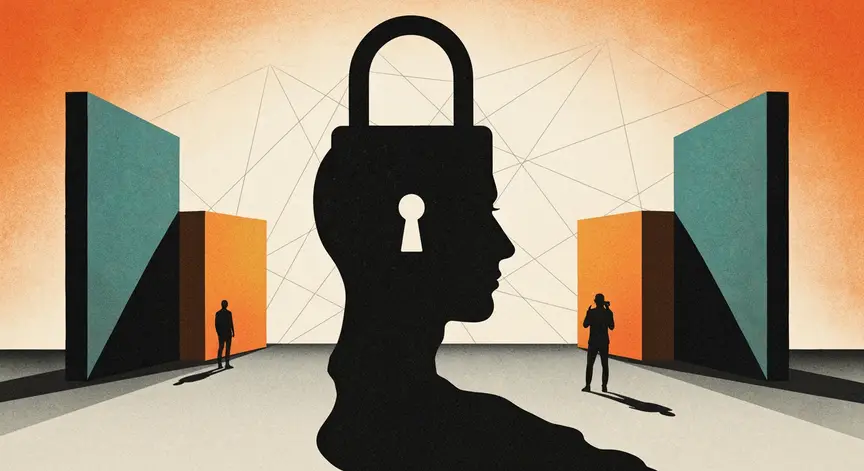
Private ID addresses this issue with a fundamentally different approach. Instead of storing raw biometric data, the platform uses advanced cryptographic techniques to transform biometric inputs into irreversible, privacy-preserving digital identities. This means that even if a system is compromised, the original biometric data cannot be reconstructed or misused. It’s a shift from data storage to data protection by design.
One of the standout features of Private ID’s technology is its decentralized architecture. By avoiding centralized databases of sensitive information, the risk of large-scale data breaches is significantly reduced. Users maintain greater control over their identities, aligning with global trends toward data sovereignty and user-centric privacy models.
In addition, Private ID’s solutions are designed to support modern use cases such as facial age verification, which is becoming increasingly important for platforms that must enforce age-based access controls. By combining privacy-preserving biometrics with accurate age estimation, organizations can verify user eligibility without storing or exposing sensitive data.
Another important aspect is the seamless user experience. Security solutions often face resistance when they introduce friction into digital processes. Private ID balances security and convenience by enabling fast and accurate identity verification without requiring excessive user input or compromising privacy. This is particularly valuable in industries where speed and reliability are essential.
The rise of digital identity fraud has further accelerated the need for secure verification systems. Cybercriminals are becoming more sophisticated, using deepfakes and synthetic identities to bypass traditional defenses. Privacy-enhancing technologies, like those used by Private ID, add an additional layer of protection by ensuring that identity verification is both accurate and resistant to manipulation.
Moreover, the scalability of such solutions makes them suitable for a wide range of applications. Whether it’s onboarding new customers, securing access to digital platforms, or verifying identities in remote environments, privacy-first systems can adapt to evolving business needs without increasing risk.
Looking ahead, the future of digital identity will likely be defined by how well organizations can balance security, privacy, and user experience. Solutions that prioritize data minimization and protection will play a crucial role in building a safer digital ecosystem.
Private ID exemplifies this new direction by offering a model where security does not come at the cost of privacy. As businesses and users alike demand more transparent and secure identity solutions, privacy-first technologies are set to become the standard rather than the exception.