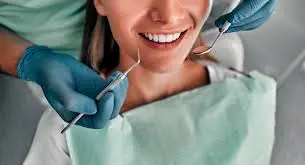
Many people view dental check-ups as an optional expense, especially when their teeth look and feel fine. Skipping a routine cleaning might seem like a smart way to keep a few extra dollars in your bank account this month. However, avoiding the dentist is one of the quickest ways to guarantee massive medical bills down the road.
- Understanding the Long-Term Financial Impact
- The Cost of Common Dental Problems
- How Minor Issues Escalate into Expensive Treatments
- The Link Between Oral Health and Overall Health Costs
- The Benefits of Regular Oral Health Monitoring
- Early Detection of Problems
- Preventive Treatments and Their Cost-Effectiveness
- Maintaining Good Oral Hygiene Habits
- Practical Tips for Effective Oral Health Monitoring
- Conclusion
Understanding the Long-Term Financial Impact
Dental care operates on a simple rule: the longer you wait, the more you pay. Understanding exactly how these costs accumulate can help you make better decisions about your healthcare budget.
The Cost of Common Dental Problems
Basic dental issues like cavities and mild gum disease (gingivitis) are incredibly common. When treated early, a standard filling or a deep cleaning is relatively affordable. Insurance plans often cover a large portion of these basic procedures. If you pay out of pocket, the cost is manageable and easy to plan for.
How Minor Issues Escalate into Expensive Treatments
A neglected cavity will eventually breach the enamel and infect the inner pulp of the tooth. When this happens, a standard filling will not solve the problem. You will need a root canal and a custom crown to save the tooth. If the infection progresses too far, the tooth must be pulled and replaced with a dental implant or bridge. These advanced treatments require multiple visits, specialized materials, and thousands of dollars. What could have been a quick $150 fix easily transforms into a $3,000 ordeal.
The Link Between Oral Health and Overall Health Costs
Your mouth is the gateway to the rest of your body. Severe gum disease allows harmful bacteria to enter your bloodstream. Medical studies consistently show strong links between poor oral health and systemic conditions like heart disease, diabetes complications, and respiratory infections. Treating these chronic medical conditions drains your finances rapidly. By keeping your gums healthy, you actively reduce your risk of developing expensive, life-altering medical issues.
The Benefits of Regular Oral Health Monitoring
Proactive dental care pays dividends over your lifetime. Regular monitoring gives you the upper hand against decay and disease.
Early Detection of Problems
Dentists use specialized tools and X-rays to see what you cannot see in the bathroom mirror. They can spot weakened enamel, hidden cavities between teeth, and early signs of bone loss. Catching these warning signs early allows you to reverse the damage or treat it with minimal intervention.
Preventive Treatments and Their Cost-Effectiveness
During a routine visit, your hygienist removes hardened plaque (tartar) that brushing alone cannot budge. Your dentist might also recommend fluoride treatments or dental sealants. These preventative measures are highly cost-effective. They act as an insurance policy for your teeth, physically blocking the bacteria that cause decay and saving you from future restorative work.
Maintaining Good Oral Hygiene Habits
Regular dental visits also serve as a helpful reset for your daily habits. Your dentist can point out areas in your mouth that you consistently miss while brushing. Getting professional feedback keeps you accountable and ensures your daily routine is actually working.
Practical Tips for Effective Oral Health Monitoring
You do not need a complicated routine to protect your teeth and your wallet. Consistency is the most important factor in maintaining a healthy mouth.
Regular Dental Check-Ups and Cleanings
Schedule professional cleanings every six months. This timeframe prevents tartar from accumulating to dangerous levels. If you live in Utah County, booking an appointment with a trusted dentist in Orem ensures your teeth receive the professional care they need to stay strong all year long. Make these appointments a non-negotiable part of your yearly schedule.
Your At-Home Oral Care Routine
Professional care must be supported by daily maintenance. Brush your teeth twice a day using fluoride toothpaste. Floss at least once a day to remove food particles trapped between your teeth. Consider adding an antimicrobial mouthwash to your routine to reduce bacteria and plaque buildup.
Recognizing Early Warning Signs
Pay attention to what your mouth is telling you. Gums that bleed when you brush are an early sign of gingivitis. Sensitivity to hot or cold drinks often points to enamel wear or an emerging cavity. Chronic bad breath can indicate an underlying infection. If you notice any of these symptoms, schedule a dental visit immediately rather than waiting for your next routine cleaning.
Conclusion
Taking care of your teeth is a brilliant financial decision. The small costs associated with toothbrushes, floss, and routine dental cleanings pale in comparison to the massive bills generated by severe dental neglect. Proactive oral care keeps your teeth intact and your savings account secure.