Choosing fine art photography for your home is one of the most meaningful decorating decisions you can make. Unlike mass-produced wall decor, a well-chosen photograph carries artistic intention, emotional depth, and lasting value. Whether you are a first-time buyer or a seasoned collector, knowing what to look for makes all the difference.
- What Is Fine Art Photography?
- How Do You Choose the Right Style of Fine Art Photography for Your Space?
- What Size Fine Art Photography Should You Buy?
- What Makes a Fine Art Photography Print High Quality?
- Are Limited Edition Fine Art Prints Worth the Investment?
- How Should You Frame Fine Art Photography?
- Where Should You Hang Fine Art Photography in Your Home?
- Frequently Asked Questions About Fine Art Photography
- What is the difference between a fine art print and a regular photo print?
- How do I know if a fine art photograph is authentic?
- Can fine art photography increase in value?
- How many prints should be in a limited edition?
- Is fine art photography a good gift for a housewarming or special occasion?
- Final Thoughts
This guide answers the most common questions collectors and interior design enthusiasts ask when selecting fine art photography, covering style, size, materials, framing, and why limited edition prints are worth the investment.
What Is Fine Art Photography?
Fine art photography is photography created with a deliberate artistic vision, where the image is the primary subject rather than a document of an event or person. It is produced in controlled editions, printed on archival materials, and signed by the photographer. Fine art photography is distinct from commercial or stock photography because its purpose is expression, not documentation.
When displayed in a home, fine art photography functions the same way a painting or sculpture does: it anchors a space, communicates a mood, and reflects the values and taste of the collector.
How Do You Choose the Right Style of Fine Art Photography for Your Space?
The best starting point is the emotional tone you want the room to carry.
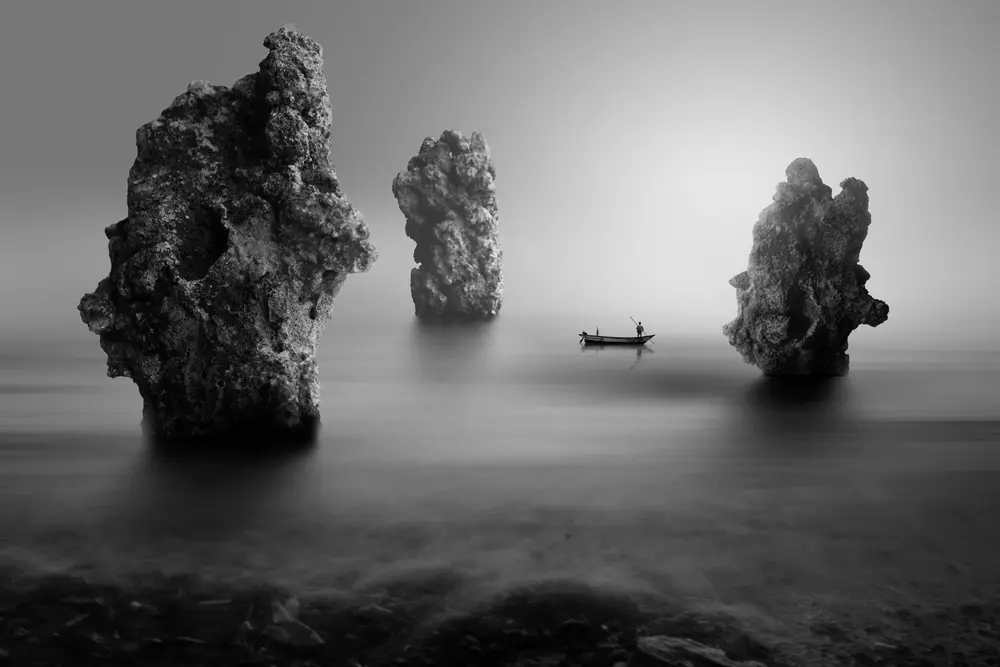
Ask yourself: What feeling do I want this space to create? A photograph of a still, fog-covered lake communicates calm and introspection. A dramatic black and white cityscape conveys energy and contrast. Abstract nature photography can introduce texture and mystery without overwhelming a room.
Match the photographic style to the function of the space. Bedrooms benefit from imagery that is soft, grounding, or serene. Living rooms and offices can carry bolder, more graphic compositions. Dining areas often work well with warm tones and organic subjects.
The most important rule is this: choose a photograph you genuinely respond to emotionally, not just one that matches your furniture color palette.
What Size Fine Art Photography Should You Buy?
Scale is one of the most misunderstood elements of collecting photographic art.
As a general guideline, a primary statement photograph should cover roughly two thirds of the wall space it occupies. Above a sofa or bed, this typically means a print between 40 and 60 inches wide. In a smaller room or hallway, a curated series of medium prints (16 by 20 inches or 20 by 24 inches) creates a gallery wall effect that feels intentional rather than cluttered.
Before purchasing, use painter’s tape to outline the dimensions directly on your wall. This removes the guesswork and prevents costly sizing errors. Large format prints, especially those printed on archival paper or aluminum, carry the most visual weight and signal a serious collecting sensibility.
What Makes a Fine Art Photography Print High Quality?
When evaluating fine art photography prints, the following details separate museum-quality work from decorative reproductions:
Archival paper or canvas: Archival materials resist fading and degradation for decades, often 100 years or more under proper conditions.
Giclée printing process: Giclée (pronounced zhee-CLAY) is the professional standard for fine art reproduction. It uses museum-grade pigment inks applied with microscopic precision, resulting in exceptional tonal range and color accuracy.
Signed and numbered editions: A photographer’s signature and edition number confirm the print is part of a controlled, limited release, which is essential for both authenticity and resale value.
Certificate of authenticity: Reputable photographers and galleries provide documentation confirming the print’s origin, edition number, paper type, and ink specification.
These are not just technical details. They define whether a photograph is a collectible or a commodity.
Are Limited Edition Fine Art Prints Worth the Investment?
Yes, and for more than one reason.
When a photographer limits the number of prints produced from a single image, genuine scarcity is created. As editions sell out and the photographer’s profile grows, early edition prints typically appreciate in value. This makes limited edition photography one of the more accessible entry points into art collecting with real long-term upside.
Beyond financial value, limited editions reflect an artistic commitment. By restricting production, the photographer signals that each print is intentional and irreplaceable. Collectors who invest in limited editions are participating in that decision.
Photographers like Lukas Griffin represent this philosophy at a high level. His carefully curated fine art photography prints are produced in strictly controlled editions, each one tied to a specific artistic vision, location, and moment in time. Collectors of his landscape and nature work consistently note that the images reveal new detail and meaning the longer they are lived with, which is the hallmark of genuinely great photographic art.
How Should You Frame Fine Art Photography?
Framing should complement the image without competing with it.
For black and white photography, a simple matte black or natural wood frame is usually the strongest choice. For color photography, a white or off-white float frame allows the image to breathe without visual interference. A float mount, where the print appears to hover slightly in front of the backing board, creates a clean, contemporary look suited to modern interiors.
Always use UV-protective glass or museum-grade acrylic when framing fine art photography. UV filtering prevents light damage and preserves color accuracy over time. Professional framers who specialize in fine art will offer these options as standard.
Avoid generic ready-made frames from mass-market retailers. The frame is part of the presentation and should reflect the same care that went into selecting the photograph itself.
Where Should You Hang Fine Art Photography in Your Home?
Placement affects both the experience of the photograph and its physical longevity.
Avoid hanging fine art photography in direct sunlight, near heating vents, or in high-humidity environments like bathrooms and kitchens, unless the piece has been specifically treated or sealed for those conditions.
Ideal locations include living rooms, bedrooms, home offices, and dining areas. A single large print above a fireplace or sofa creates an immediate focal point. A thoughtfully arranged grouping along a staircase transforms a transitional space into a gallery corridor.
Lighting dramatically changes how a photograph reads. Dedicated picture lights or adjustable track lighting aimed directly at the piece will reveal texture, tonal depth, and detail that ambient room lighting cannot match.
Frequently Asked Questions About Fine Art Photography
What is the difference between a fine art print and a regular photo print?
A fine art print is produced using archival materials and professional giclée printing, signed by the artist, and issued in a limited edition. A regular photo print is typically mass-produced on standard photographic paper with no edition control or artist authentication.
How do I know if a fine art photograph is authentic?
Look for a hand-signed signature, an edition number (such as 3/25, meaning the third print in an edition of 25), and a certificate of authenticity that documents the materials used and the photographer’s details.
Can fine art photography increase in value?
Yes. Limited edition prints from recognized photographers can appreciate significantly as editions sell out and the artist’s profile grows. Early edition numbers from an emerging or established photographer are generally the most valuable.
How many prints should be in a limited edition?
Editions vary widely. Smaller editions (under 25 prints) are considered more exclusive and tend to carry higher value. Editions of 50 to 100 are more accessible but still retain collectible status compared to open edition prints.
Is fine art photography a good gift for a housewarming or special occasion?
Absolutely. A limited edition fine art photograph is one of the most personal and enduring gifts you can give. It reflects thoughtfulness, carries lasting value, and elevates any living space.
Final Thoughts
Selecting fine art photography for your home is a deeply personal process, but it does not have to be complicated. Define the emotional tone you want, be intentional about scale and material quality, and invest in limited edition prints that carry both artistic significance and long-term value.
When chosen well, the photographs you bring into your home stop being decoration. They become part of how you experience your space every single day.
Explore museum-quality limited edition landscape and nature photography at Lukas Griffin’s official collection, where every print is produced to the highest archival standards and issued in strictly controlled editions.