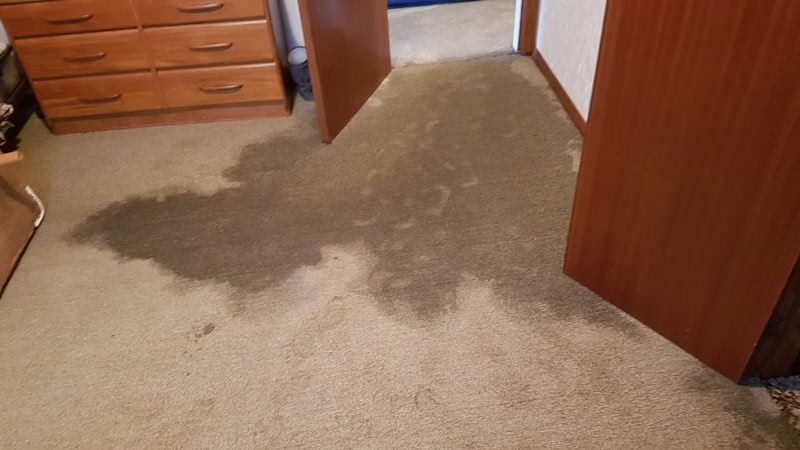
There’s nothing quite like the sinking feeling of stepping onto a soggy carpet. One moment you’re going about your day, the next you’re squelching across what used to be your favourite living room rug.
Whether it’s a burst pipe, a storm that decided your home needed an indoor pool, or a washing machine with rebellious tendencies, water damage is never fun.
But don’t stress just yet, because there are plenty of ways to rescue your carpet before it becomes a mouldy mess.
So, let’s get into it.
Act Fast
Time isn’t on your side when water is involved. The longer your carpet sits there marinating in moisture, the more likely you are to end up with mould, mildew, and that musty smell that haunts you every time you walk past.
First things first: sort out the source. If water is still gushing in, you’ll be fighting a losing battle trying to dry things out.
Once that’s handled, grab every towel you own and start blotting up as much water as you can. Don’t rub. Just press down firmly and let the towels do the work.
If you’ve got a wet-dry vacuum, now is its time to shine. Run it over the carpet repeatedly until you’ve sucked up every drop you can manage.
The quicker you move, the better your chances of saving your carpet without needing to replace the whole thing.
Pull Back the Carpet and Check Underneath
Here’s where things get a bit more involved, because you’re not just dealing with the damp surface anymore. A wet carpet is one thing, but once the underlay and floorboards cop it too, you’re facing a completely different kind of headache.
If the flooding was serious, you’ll want to peel back the carpet from the edges to see what’s lurking underneath. Australian homes often have timber floors, and wood doesn’t exactly tolerate sitting in water for hours on end.
Lift the carpet carefully and prop it up so air can circulate underneath. If the underlay is soaked through, it might need replacing. It’s basically like a sponge that refuses to let go of moisture.
Use fans, dehumidifiers, or even just open windows to get air moving through the space. The more airflow you create, the faster everything will dry out.
Use Natural Drying Methods
If you’re not in a rush to call in the professionals, there are some tried-and-true ways to speed up the drying process with what you’ve got at home.
Position as many fans as you can around the wet area, aiming them directly at the carpet. If you’ve got a dehumidifier, chuck it in the middle of the room and let it run for a few days.
Opening windows helps too, especially if it’s a dry day outside. Just keep an eye on the humidity levels—if it’s pouring rain or stupidly humid, you might be doing more harm than good.
For smaller spills or less severe flooding, sprinkling baking soda over the damp carpet can help absorb moisture and tackle any funky smells that start creeping in.
Leave it overnight, then vacuum it up in the morning. It’s simple, cheap, and surprisingly effective.
Disinfect to Prevent Mould and Bacteria
Once you’ve got the carpet mostly dry, you’re not quite done yet. Water damage often introduces bacteria and mould spores, especially if the water came from a contaminated source like a flooded drain.
So mix up a solution of one part vinegar to two parts water and spray it lightly over the affected area. Vinegar is a natural disinfectant and won’t leave harsh chemical residues behind.
For a deeper clean, you can add a few drops of tea tree oil to the mix. It’s got antifungal properties and smells a million times better than straight vinegar.
Let the solution sit for ten to fifteen minutes, then blot it up with clean towels. If you’re dealing with a larger area or persistent odours, it might be worth hiring professionals to ensure everything is properly sanitised.
Call in Professional Help
Sometimes, despite your best efforts, the damage is just too much to handle on your own. If the carpet has been underwater for more than 24 hours, or if you’re spotting dark patches that suggest mould has already moved in, it’s time to bring in the experts.
Professional cleaners have industrial-grade equipment that can extract water far more effectively than your home vacuum ever could. They’ll also assess whether the carpet is salvageable or if it’s time to say goodbye.
In places like Melbourne, where damp winters and bursts of humidity can make drying a real challenge, professional carpet cleaning is especially useful.
Services offering carpet rug cleaning in Melbourne can apply antimicrobial treatments to stop mould before it takes hold, and they’ll check the underlay and flooring to make sure nothing unpleasant is lurking underneath.
It’s an investment, sure, but it’s a lot cheaper than replacing an entire room’s worth of carpet or dealing with health issues down the track.
Prevent Future Disasters
Now that you’ve survived one soggy carpet situation, you’ll probably want to avoid repeating the experience. A bit of prevention goes a long way when it comes to water damage.
Check your pipes regularly for leaks, especially around washing machines, dishwashers, and hot water systems. A small drip today can turn into a flood tomorrow if left unchecked.
If you live in an area prone to heavy rain or storms, consider installing door seals or barriers to stop water from sneaking in under doors. You can also look into getting your carpets treated with a water-resistant coating.
And if disaster does strike again, having a wet-dry vacuum on hand means you won’t be scrambling to borrow one from the neighbours while your carpet slowly drowns.
Conclusion
Your carpet has been through a lot, but with a bit of quick action and some elbow grease, it can come out the other side looking and smelling a whole lot better.
So don’t let water damage get you down. Tackle it head-on, and you’ll be back to walking on dry, clean carpet before you know it. Well done for making it this far. Now go grab a cuppa. You’ve earned it!