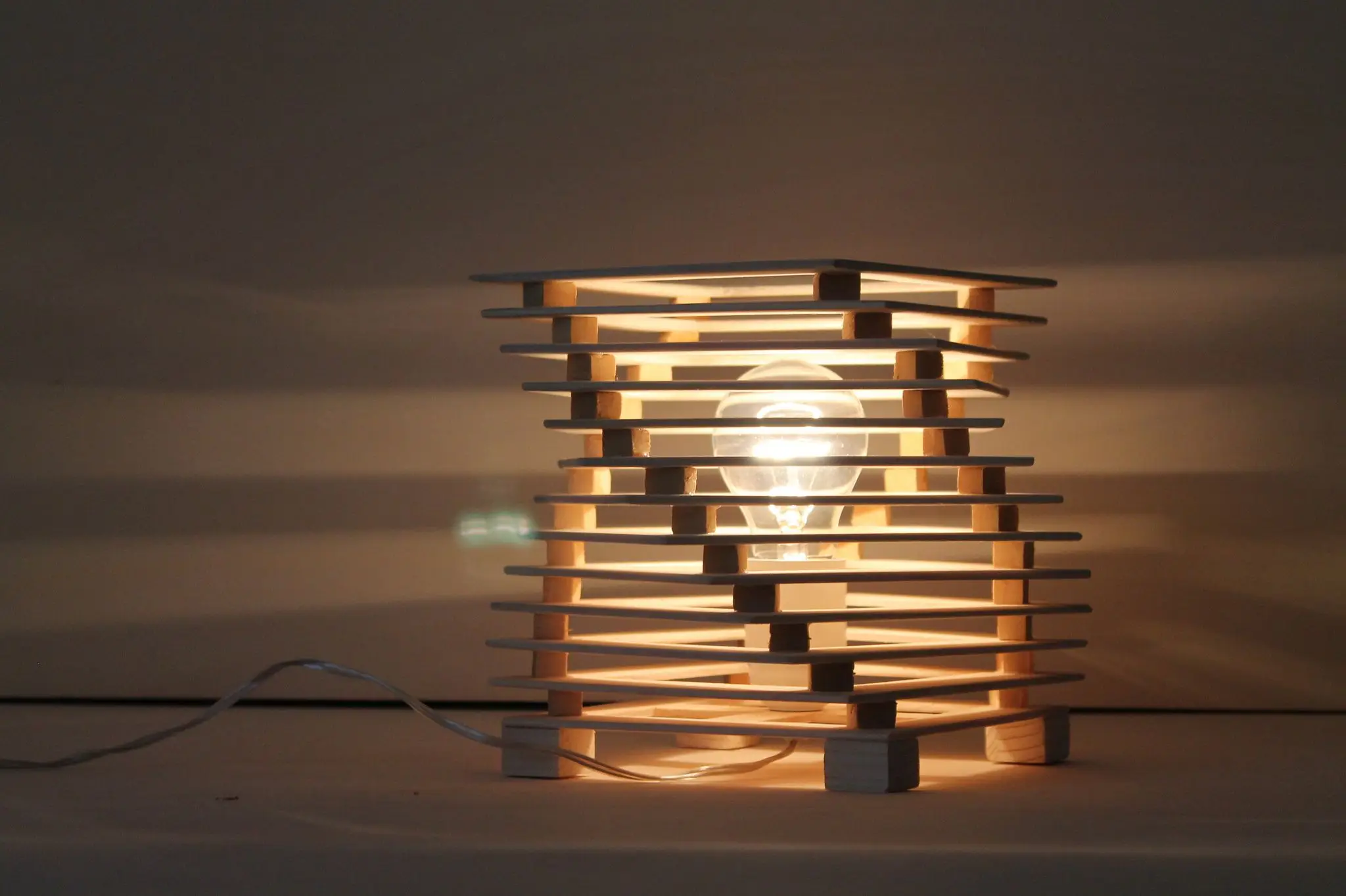
You know that feeling when a room looks fine, but still feels a little flat? The sofa is there, the rug is there, the walls are painted, and yet something is missing. In many homes, that missing piece is not another big piece of furniture. It is light with personality. That is exactly where a handmade wood lamp can change everything. It adds warmth, texture, shape, and a small sense of craft that mass-produced décor often misses.
- Why a handmade wood lamp changes a room so quickly
- Start with the 3 decoration jobs your wood lamp can do
- How to choose the right handmade wood lamp for your space
- Formula 1: an easy way to choose the right brightness
- 7 easy ways to decorate your home with a handmade wood lamp
- 1. Put it where your room feels cold, not just where you have empty space
- 2. Repeat the wood tone somewhere else in the room
- 3. Pair it with a soft-texture shade
- 4. Use it to build a layered-lighting corner
- 5. Let the handmade details stay visible
- 6. Choose warm-white LED bulbs instead of old hot bulbs
- 7. Style it with fewer objects than you think you need
- Formula 2: simple lamp-height placement for side tables and nightstands
- Room-by-room decorating ideas you can copy today
- 3 common decorating mistakes that make a wood lamp look awkward
- Safety matters too, especially with wood and lighting
- 3 real-life scenarios that show how this works
- 6 practical links worth opening before you buy or style one
- So, how should you decorate your home with a handmade wood lamp?
A handmade wood lamp works so well because it does two jobs at once. First, it gives you light. Second, it behaves like a decorative object even when it is turned off. That matters more than many people realize. Recent design coverage from Houzz and Better Homes & Gardens shows that natural materials, artisanal details, and imperfect wood finishes are still strongly tied to the warm, layered home look people want in 2025 and 2026, rather than the colder, overly polished style that can make a room feel generic.
So yes, you can absolutely decorate your home with a handmade wood lamp. The trick is to do it with intention. You do not want it to look random, crowded, too rustic, too dark, or unsafe. You want it to feel easy, balanced, useful, and beautiful. This article walks you through exactly how to do that in everyday language, with room-by-room examples, placement formulas, common mistakes, practical tables, and six trustworthy links you can actually use.
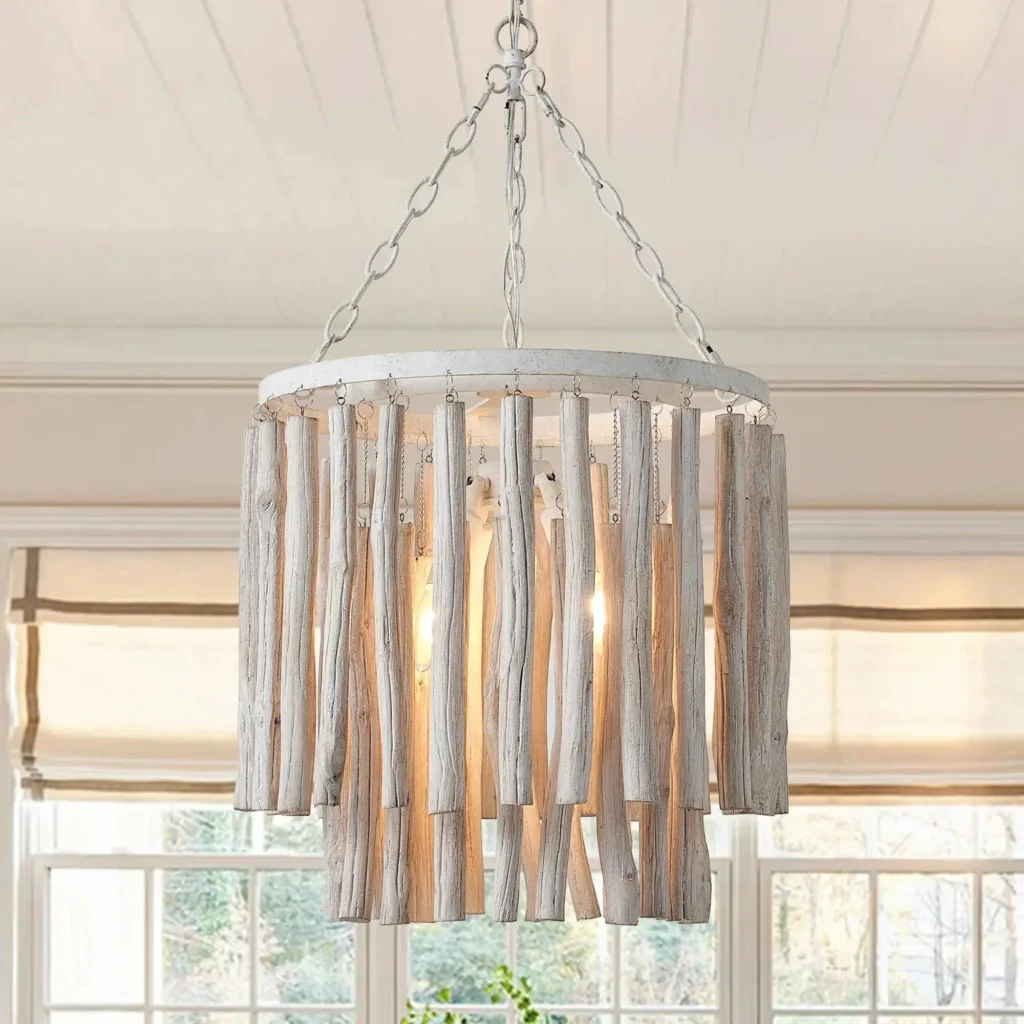
Why a handmade wood lamp changes a room so quickly
If you have ever brought home a shiny metal lamp and thought, “Why does this feel cold?” you already understand the difference. Wood has visual warmth. Even before the bulb turns on, it suggests comfort, craft, and a more lived-in atmosphere. That is one reason designers keep returning to natural and artisanal materials in current lighting collections. Houzz highlighted natural materials, warm finishes, and artisanal details as major decorative-lighting directions, and Better Homes & Gardens recently described imperfect, organic wood finishes as a better fit for today’s warmer interiors than mass-produced polished wood.
There is also a practical reason. A handmade wood lamp usually has visible grain, edges, carving, turning, or joinery. Those details give your eye something to land on. In a plain room, that extra texture can stop the space from feeling empty. In a busy room, it can act like a calm, grounding object that ties together fabric, flooring, baskets, frames, or wood furniture already in the space.
Key takeaway: a handmade wood lamp does not just “match” a room. It can warm the mood, soften the look, and add a crafted focal point without taking up much space.
Start with the 3 decoration jobs your wood lamp can do
Before you choose a spot, decide what job you want the lamp to do. This makes decorating much easier.
Job 1: Mood builder. You want softer, warmer light in the evening so the room feels calm. This is perfect for bedrooms, reading corners, and quiet living rooms.
Job 2: Texture anchor. You want the room to feel less flat. A wood lamp helps most in spaces with smooth surfaces such as painted walls, glass tables, metal shelves, or plain white bedding.
Job 3: Style bridge. You have mixed décor already. Maybe your room has modern lines, but also woven baskets, a vintage chair, or a natural-fiber rug. A handmade wood lamp can connect those pieces and make the whole room feel more intentional.
| Decoration job | Best room types | What you look for | Fast result |
| Mood builder | Bedroom, den, reading nook | Warm bulb, soft shade | Calmer evening feel |
| Texture anchor | Minimal living room, hallway | Visible grain or carved base | Less flat, more layered |
| Style bridge | Mixed-style homes | Wood tone that echoes furniture or flooring | More pulled-together look |
How to choose the right handmade wood lamp for your space
You do not need to overthink this, but you do need to look at four things: size, wood tone, lamp shape, and bulb behavior.
Size: a tiny lamp on a big console often looks lost. A huge chunky lamp on a narrow nightstand can feel top-heavy and awkward. If the lamp is going on a table beside a sofa or bed, it should usually feel substantial enough to hold its own, but not so large that it blocks sightlines or elbow room.
Wood tone: you do not need a perfect match. In fact, exact matching can make a room feel stiff. A better approach is “related, not identical.” If your floor is medium oak, your lamp can be lighter ash, honey, walnut, or a washed finish, as long as the undertone feels friendly with the room. Better Homes & Gardens’ recent guidance against overly uniform, mass-produced wood looks fits this idea well: a little variation often feels more human and current.
Lamp shape: a turned wood base feels classic and soft. A blocky handmade wood lamp feels more modern. A branch-like form feels rustic or organic. A geometric carved lamp can fit Scandinavian, Japandi, or modern-natural spaces.
Bulb behavior: this matters more than the base. ENERGY STAR’s brightness guide reminds shoppers to choose by lumens, not just watts, because brightness is measured in lumens. Their quick chart shows that what used to be a 40-watt incandescent is roughly 450 lumens, 60 watts is about 800 lumens, 75 watts is about 1,100 lumens, and 100 watts is about 1,600 lumens. This Old House’s 2026 bulb guide also stresses that bulb type, wattage, and color temperature all affect atmosphere, not just brightness.
That means a beautiful handmade wood lamp can still look wrong if the bulb is too cool, too harsh, or too dim for the room.
Formula 1: an easy way to choose the right brightness
Here is a practical formula you can use before you buy a bulb:
Recommended lamp brightness = room mood target × lamp role
To make that useful in real life, think of it this way:
- For a soft mood lamp, aim around 450 to 800 lumens.
- For a reading or task lamp, aim around 800 to 1,100 lumens.
- For a lamp that helps light a darker corner or larger room, you may need 1,100 lumens or more, depending on what other lights are on.
Example: if your handmade wood lamp is for a bedside table and your main goal is calm evening light, 450 to 800 lumens is usually enough. If the same lamp is in a reading chair corner where you knit, journal, or work on a tablet, 800 lumens or more will usually feel more useful. ENERGY STAR’s lumen chart supports these brightness ranges for comparing bulbs, and This Old House’s bulb guide explains why brightness and color temperature should be chosen based on how you use the room.
In a bedroom, a handmade wood lamp often looks best with warm, gentle light rather than a bright white bulb.
7 easy ways to decorate your home with a handmade wood lamp
1. Put it where your room feels cold, not just where you have empty space
This is the smartest first move. Many people place a lamp wherever there is an unused corner and stop there. But a handmade wood lamp has the most impact where the room feels visually cold or emotionally flat. That could be next to a white sofa, on a black console, beside a metal bed frame, or on a sleek desk that needs some softness.
Imagine a living room with gray upholstery, black frames, and a glass coffee table. It is not ugly. It just feels a little sharp. Add a handmade wood lamp with a linen shade on a side table, and suddenly the room has warmth without needing a full redesign. That is the kind of small, useful change that makes handmade lighting feel so convenient.
2. Repeat the wood tone somewhere else in the room
A wood lamp looks most intentional when it is not the only wood note in sight. Repeat that tone in one or two other places: a picture frame, a tray, a stool, a shelf bracket, or even a bowl. You do not need a matching furniture set. You just want a subtle visual echo.
Real-life example: if your handmade lamp is medium walnut, place a walnut tray on the coffee table or a walnut frame on a nearby wall. Now the lamp feels connected instead of random.
3. Pair it with a soft-texture shade
Wood and a harsh shiny shade often fight each other. Wood and fabric usually look friendlier. A linen or cotton shade diffuses light and keeps the lamp from feeling too heavy. This Old House notes that color temperature and bulb choice shape mood, but the shade also changes how that light lands in the room. A softer shade helps the warm bulb look even more inviting. :contentReference[oaicite:5]{index=5}
This works especially well if your room has hard surfaces like tile, glass, painted walls, or leather seating. The shade softens the light; the wood softens the look.
4. Use it to build a layered-lighting corner
One lamp by itself can look lonely. A better move is to create a mini “comfort zone” around it. Put the lamp beside a chair, small table, throw blanket, and book or candle. Now it becomes a little destination inside the room.
This idea is completely in line with current design direction. Recent design coverage has been pushing away from harsh, all-over lighting and toward warmer, more layered setups with natural materials and softer atmosphere. Houzz and 2026 mainstream design coverage both reflect that shift toward decorative, tactile, comfortable lighting. :contentReference[oaicite:6]{index=6}
5. Let the handmade details stay visible
If your lamp has carved lines, hand-tool marks, turned shaping, knots, or visible grain, do not hide all of that in a crowded spot. Give it a little breathing room. This is one of the easiest mistakes to fix. Handmade pieces need a small amount of negative space around them so your eye can actually notice why they are special.
In simple terms, do not bury a beautiful handmade wood lamp between a giant plant, three framed photos, and a stack of storage boxes. Let it be seen.
6. Choose warm-white LED bulbs instead of old hot bulbs
A handmade wood lamp naturally suits warm, cozy lighting better than blue-white glare. ENERGY STAR explains that you should shop by lumens for brightness, and consumer bulb guides show why LEDs are now the easier everyday choice for efficiency and atmosphere. For most homes, a warm-white bulb gives wood a friendlier look than a very cool bulb. This Old House’s 2026 guide also explains that bulb type and color temperature change a room’s feel in a big way.
That is a useful little secret: sometimes the lamp is fine and the bulb is the problem.
7. Style it with fewer objects than you think you need
Handmade wood already has texture. It already has personality. So if you crowd it with too many decorative extras, the whole area can start to feel messy. Usually, a lamp plus one or two companions is enough: perhaps a book and a small bowl, or a vase and one framed photo, or a tray and a candle.
Key takeaway: with a handmade wood lamp, the best styling is often simple, warm, and slightly edited.
| Styling method | How fast it is | What you need | Best for |
| Cold-corner placement | 5 minutes | Lamp only | Rooms that feel flat |
| Wood-tone repeat | 10 minutes | Lamp + tray or frame | Mixed furniture rooms |
| Layered-lighting vignette | 15 minutes | Lamp + chair/throw/table | Reading corners and living rooms |
Formula 2: simple lamp-height placement for side tables and nightstands
You do not need a design degree to make a lamp feel balanced. Use this easy formula:
Comfortable lamp height = table height + 24 to 30 inches
Here is what that means in normal life. If your side table is about 24 inches tall, a lamp around 48 to 54 inches in total height often feels visually balanced for seated use. If your nightstand is 26 inches tall, a lamp around 50 to 56 inches can work well. This is not a strict law, but it is a very useful starting point because it keeps the light near a comfortable level and stops the lamp from looking either tiny or towering.
Example: your bedside table is 25 inches high. Add 26 inches and you get a target lamp height of about 51 inches. That often looks natural and useful for evening reading.
This formula is especially helpful when shopping online, where many wood lamps look bigger or smaller than they really are.
On an entry console, a handmade wood lamp can make the whole area feel more welcoming the moment you walk in.
Room-by-room decorating ideas you can copy today
Living room
Put the lamp on a side table near the end of the sofa, or on a console behind the seating area. If the room already has overhead lighting, use the wood lamp to create a softer evening layer rather than trying to flood the whole room with brightness. Pair it with a tray, one book, and a textile like a throw or woven basket nearby.
Bedroom
This is one of the best rooms for a handmade wood lamp. Wood already feels restful and grounded, which suits a sleep space perfectly. Use a warm-white bulb and a softer shade. If your bedroom has white bedding, black accents, or painted furniture, the wood lamp can stop it from feeling too sharp.
Entryway
This is a surprisingly powerful spot. A wood lamp on an entry console makes the home feel cared for the second you walk in. It also helps at night when overhead entry lighting feels too bright. Add a bowl for keys and one small mirror or frame above it.
Home office
If your desk area feels too corporate or too screen-heavy, a handmade wood lamp can soften it immediately. Pick a brighter bulb if you actually work by that light, but keep the tone warm enough that the room still feels pleasant after dark. This is especially useful if your desk has metal legs, tech gear, and plain walls.
Reading nook
This is almost the dream setting for a wood lamp. A chair, a side table, a lamp, and one soft textile can turn a forgotten corner into a useful little retreat. If you want fast impact, this is one of the easiest rooms to style.
| Room | Main goal | Best brightness feel | Easy companion pieces |
| Living room | Warm layered light | Soft to medium | Tray, book, basket |
| Bedroom | Calm evening mood | Soft | Small vase, book, linen shade |
| Home office | Useful but not harsh | Medium to bright | Notebook, plant, wood frame |
3 common decorating mistakes that make a wood lamp look awkward
Mistake 1: choosing a bulb that is too cool. A very cool white bulb can make a handmade wood lamp look disconnected from the cozy effect you probably wanted. The wood says “warm,” but the light says “office ceiling.” That mismatch is why bulb choice matters so much. ENERGY STAR and current consumer bulb guides both make it clear that brightness and bulb type need to match the use of the space.
Mistake 2: using the lamp as the only light source in a large room. One lamp in a big dark room often looks small and strained. The better approach is layered light: let the wood lamp handle mood or task light while another source supports the room overall.
Mistake 3: buying a handmade lamp and hiding all the handmade character. If the carved base, grain pattern, or sculptural shape is what makes the lamp special, crowding it with clutter removes the point of choosing handmade in the first place.
Safety matters too, especially with wood and lighting
This part is important. A handmade wood lamp should feel cozy, not risky. The U.S. Consumer Product Safety Commission’s current electrical-safety guidance says homes should check that each lamp uses the appropriate wattage for the fixture, and its household safety checklist advises that if you are unsure, use a bulb 60 watts or less in marked situations and follow fixture labeling. UL Solutions explains that portable luminaires are evaluated for fire, shock, contact-burn, and mechanical risks, which is why checking for a recognized safety certification mark matters so much when buying or gifting a lamp.
That gives you three simple safety rules:
- Do not exceed the lamp’s rated bulb limit.
- Prefer cooler-running LED bulbs for everyday use.
- Check for a recognized certification mark and stable construction before you style it in your home.
If you are decorating with a handmade lamp from a market, craft fair, or small seller, this is especially useful. Beautiful woodwork is great, but wiring and heat safety matter just as much.
3 real-life scenarios that show how this works
Scenario 1: your living room feels too gray. You have a gray sofa, black metal side table, and white walls. The room is neat but not inviting. Add a medium-toned handmade wood lamp with a light linen shade, repeat that wood tone in one tray on the coffee table, and switch to a warm LED bulb. Suddenly the room looks softer and less “showroom cold.”
Scenario 2: your bedroom looks nice during the day but harsh at night. The ceiling light is too bright, so the room never feels relaxing. Put a handmade wood lamp on the nightstand, use a soft bulb in the 450-to-800-lumen range, and keep the rest of the styling simple. The room becomes useful for reading, but also calm enough for winding down.
Scenario 3: your entryway is functional but forgettable. You drop your keys, walk through, and never think about it. Add a wood lamp, a small mirror, and a bowl for keys. That tiny area now feels welcoming instead of accidental. It also makes the house feel more finished when guests walk in.
A reading corner is one of the easiest places to let a handmade wood lamp shine without competing with too many other objects.
6 practical links worth opening before you buy or style one
- ENERGY STAR’s brightness guide — a free government-backed tool that helps you choose bulbs by lumens instead of guessing by watts. It is very useful when your handmade wood lamp looks good but the light still feels wrong.
- This Old House light bulb buying guide — a recent, consumer-friendly guide explaining bulb types, wattage, and color temperature in plain language.
- CPSC electrical safety guide — a current official safety page that helps you avoid wiring and lamp-use mistakes at home.
- CPSC home electrical safety checklist — a practical checklist you can use to verify bulb wattage and fixture safety in minutes.
- UL Solutions portable luminaires page — a trustworthy reference showing why safety certification matters for lamps, especially handmade or boutique pieces.
- Houzz decorative lighting trends — a helpful design reference showing how natural materials and artisanal lighting still fit current home styling.
So, how should you decorate your home with a handmade wood lamp?
The easiest answer is this: treat it like a light source and a small sculpture at the same time. Place it where the room feels cold, repeat its wood tone once or twice nearby, use a warm LED bulb, and do not crowd it with too many extra objects. Let the handmade character show. Let the light feel soft and useful. Let the lamp connect your room instead of just filling space.
If you remember only five things, remember these: choose the right brightness, keep the style edited, repeat the wood tone, use layered light, and stay safe with certified wiring and correct bulb limits. Do that, and a handmade wood lamp becomes more than décor. It becomes one of those rare home pieces that is beautiful, practical, easy to use, and instantly mood-changing.
And that is why this works so well in everyday homes. You are not trying to impress a showroom. You are trying to make your home feel warmer, softer, and more like you. A handmade wood lamp can do exactly that.