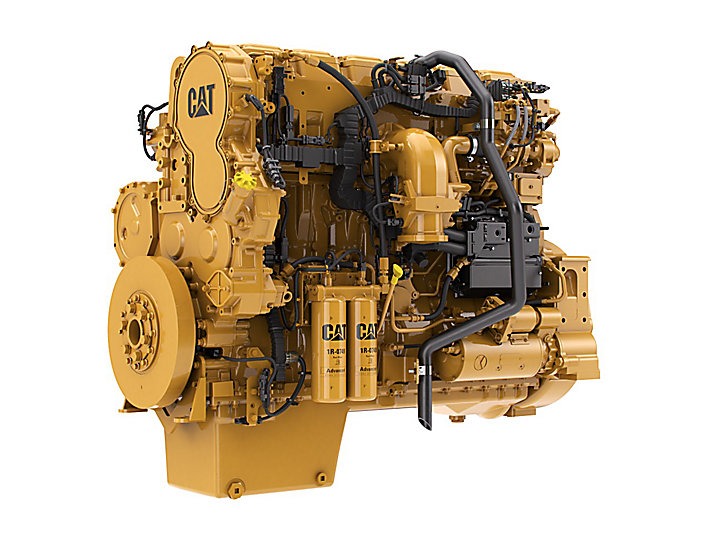
Fuel costs represent one of the largest operational expenses in heavy-duty industries, often accounting for 30-40% of total operating budgets in construction, mining, and transportation sectors. The Caterpillar C15 engine has earned its reputation as a reliable workhorse, powering everything from haul trucks to excavators across demanding job sites worldwide. However, even this proven powerplant can fall short of its efficiency potential when subjected to improper maintenance, suboptimal operating conditions, or outdated practices. The financial impact is substantial—a fleet of just ten machines experiencing a 10% efficiency loss can translate to tens of thousands of dollars in wasted fuel annually. This guide provides engineers and fleet managers with a comprehensive roadmap to unlock maximum fuel savings from their CAT C15 engines. Through understanding core efficiency principles, implementing rigorous maintenance protocols, adopting smart operational strategies, and considering strategic upgrades, you can significantly reduce fuel consumption while maintaining the performance your operations demand.
Understanding Caterpillar C15 Fuel Efficiency Fundamentals
The Caterpillar C15 is an inline six-cylinder diesel engine with a displacement of 15.2 liters, designed to deliver robust power output ranging from 435 to 550 horsepower depending on configuration. At its core, fuel efficiency in this engine hinges on how effectively it converts diesel fuel into mechanical work. The C15 employs advanced turbocharging technology that forces compressed air into the combustion chamber, allowing more fuel to burn efficiently and generating greater power from each combustion cycle. Many C15 variants feature ACERT (Advanced Combustion Emissions Reduction Technology), which optimizes the air-fuel mixture and combustion timing to reduce emissions while maintaining performance. However, this sophisticated system requires precise calibration—any deviation from optimal operating parameters directly impacts fuel consumption. The aftertreatment systems, including diesel particulate filters and exhaust gas recirculation, also influence efficiency by creating backpressure that the engine must overcome. Engineers should familiarize themselves with Brake Specific Fuel Consumption (BSFC), measured in grams per kilowatt-hour, which quantifies how much fuel the engine consumes to produce a unit of work. The C15 typically achieves BSFC values between 200-220 g/kWh under optimal conditions. Understanding that heavy-duty applications demand high torque at lower RPMs helps explain why the C15 is tuned for peak efficiency in the 1200-1600 RPM range, where most productive work occurs in construction and mining environments.
Proactive Maintenance: The Foundation of Peak Performance
Air Intake and Filtration System Care
The combustion process in your C15 engine depends on a steady supply of clean air—approximately 12,000 liters per minute at full load. A clogged air filter restricts airflow, forcing the turbocharger to work harder and creating a rich fuel mixture that wastes diesel. Inspect air filters every 250 operating hours in dusty environments, or follow your machine’s restriction indicator which should trigger replacement at 25 inches of water column restriction. Check all intake ducting from the filter housing to the turbocharger inlet for cracks, loose clamps, or damaged boots that allow unfiltered air to bypass the filtration system. These leaks introduce abrasive particles that damage cylinder walls and piston rings, directly degrading combustion efficiency over time.
Fuel System Optimization and Injector Health
Fuel injectors in the C15 operate at pressures exceeding 25,000 PSI, delivering precisely metered fuel in multiple injection events per combustion cycle. Contaminated fuel or worn injectors disrupt this precision, causing incomplete combustion and efficiency losses of 5-15%. Source diesel from reputable suppliers and drain water separators daily in humid conditions. Replace primary and secondary fuel filters according to Caterpillar’s schedule—typically every 500 hours—and never extend intervals to save costs, as the expense of one failed injector far exceeds filter costs. Conduct injector cut-out tests annually using diagnostic software to identify cylinders with excessive leak-off or poor spray patterns. When one injector shows deterioration, consider replacing the full set since they wear at similar rates, preventing future imbalances that force the ECU into less efficient compensation modes. Many diesel engine specialists, including companies like GRT, offer comprehensive injector testing services that can identify performance degradation before it significantly impacts fuel economy.
Optimizing Engine Oil and Cooling Systems
Internal friction accounts for roughly 10% of fuel energy loss in diesel engines. Using the correct oil viscosity—typically 15W-40 for most C15 applications—reduces parasitic drag on pistons and bearings while maintaining adequate protection. Follow oil analysis programs that track wear metals and contamination, allowing condition-based changes rather than arbitrary intervals. The cooling system maintains optimal combustion chamber temperatures; overheating causes the ECU to retard injection timing and reduce power output, forcing operators to push the throttle harder. Inspect radiator cores for debris buildup monthly, test coolant concentration to maintain proper freeze and boil-over protection, and replace thermostats that stick open, as they prevent the engine from reaching its designed operating temperature where efficiency peaks.
Operational Strategies for Engineers and Fleet Managers
Beyond mechanical maintenance, how operators interact with the C15 engine profoundly impacts fuel consumption. Excessive idling represents one of the most wasteful practices in heavy equipment operations—a C15 consumes approximately 3-5 liters per hour while idling, producing zero productive work. Implement automatic shutdown systems that power down equipment after five minutes of inactivity, and educate operators that modern diesel engines require minimal warm-up time except in extreme cold. During active operation, encourage smooth throttle application rather than aggressive acceleration, as sudden power demands force the turbocharger into boost quickly, dumping excess fuel before optimal air-fuel ratios stabilize. In haul truck applications, progressive shifting techniques that keep engine speed within the 1200-1600 RPM sweet spot can reduce fuel consumption by 8-12% compared to high-RPM operation. For highway applications, cruise control maintains consistent speeds that prevent the constant acceleration-deceleration cycles that plague manual throttle control. Fleet managers should leverage telematics systems that monitor real-time fuel consumption, idle hours, and engine load factors across their equipment population. This data reveals patterns invisible to individual operators—identifying machines with abnormal consumption that require mechanical attention, routes or job site layouts that create inefficiencies, and operators who would benefit from targeted coaching. Establish fuel efficiency benchmarks for similar applications and share comparative performance data with operators, creating accountability without punitive measures. Many fleets have achieved 10-15% consumption reductions simply by making fuel economy a visible, measured priority supported by training programs that demonstrate the direct connection between operating technique and company profitability.
Advanced Tuning and Technology Upgrades
Once your maintenance protocols and operational practices are optimized, strategic technology upgrades can extract additional efficiency gains from your C15 engine. ECU remapping represents the most direct electronic intervention, adjusting fuel injection timing, boost pressure curves, and torque management parameters to prioritize economy over raw power output. Reputable tuning companies can reprogram the engine control module to reduce fuel delivery during light-load conditions and optimize combustion phasing for lower BSFC values, potentially yielding 3-7% consumption reductions. However, approach this cautiously—improper tuning voids warranties, may violate emissions regulations, and can accelerate engine wear if parameters exceed design tolerances. Always work with Caterpillar-certified technicians who understand the C15’s operational envelope and can verify compliance with regional emissions standards. For on-highway applications like line-haul trucks, aerodynamic improvements deliver measurable returns by reducing the parasitic load the engine must overcome. Cab roof fairings, side skirts, and trailer tail devices reduce drag coefficients, allowing the C15 to maintain highway speeds at lower throttle positions. Similarly, low-rolling-resistance tires minimize the energy lost to tire deformation with each revolution, though engineers must balance efficiency gains against the traction requirements of off-road job sites. In stationary or auxiliary power applications, consider installing automatic load-sensing systems that adjust engine speed dynamically based on hydraulic or electrical demand, eliminating the waste of running at full RPM when partial power suffices.
Achieving Long-Term Fuel Economy Success
Maximizing fuel efficiency in your Caterpillar C15 engine requires a disciplined, multi-layered approach that addresses mechanical integrity, operational discipline, and strategic enhancement opportunities. Understanding the fundamental engineering principles governing combustion efficiency provides the knowledge foundation, while rigorous preventive maintenance—from air filtration to injector health—ensures your engine operates within its designed performance envelope. Operational strategies that minimize idle time, optimize engine speed ranges, and leverage telematics data transform theoretical efficiency into measurable cost savings across your fleet. For organizations committed to continuous improvement, carefully considered technology upgrades offer incremental gains that compound over thousands of operating hours. The reality is that fuel efficiency is not a one-time achievement but an ongoing commitment requiring coordination between maintenance teams, operators, and management. A well-maintained C15 engine running under optimized conditions can deliver 15-20% better fuel economy compared to neglected counterparts, translating directly to improved project margins and reduced environmental impact. As fuel prices fluctuate and sustainability expectations intensify, the organizations that master these efficiency principles will maintain competitive advantages while extending the productive lifespan of their capital investments. Your C15 engine represents a significant asset—treat it as a precision instrument rather than an indestructible workhorse, and it will reward you with years of economical, reliable service.