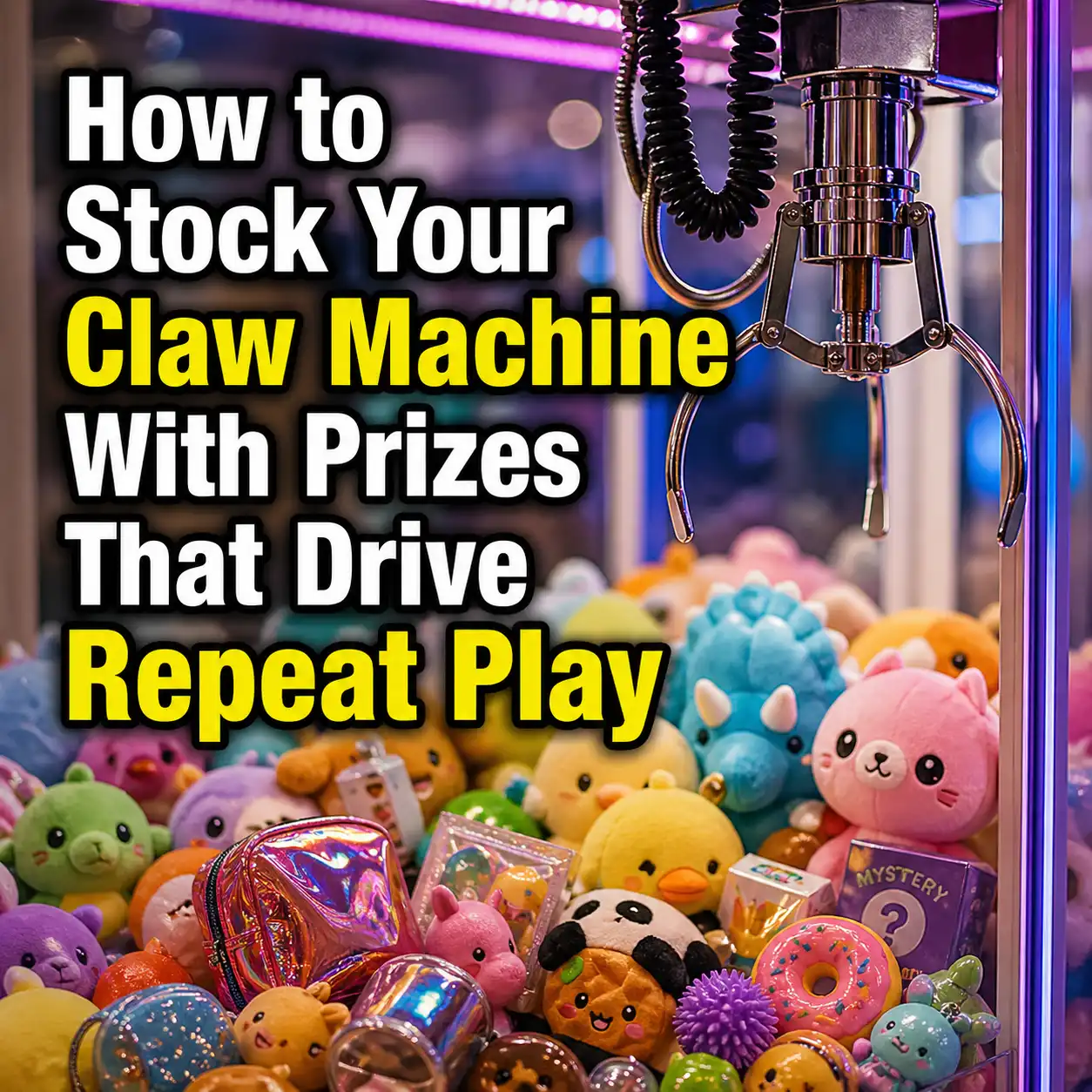
Nobody plays a claw machine for the challenge alone. The prizes do the selling. What sits behind that glass panel determines whether a passerby keeps walking or reaches for their wallet. Getting the inventory right transforms a dusty cabinet into a reliable earner. Plush toys, novelty goods, and seasonal items each shape how often players return and how much they spend per visit. Here is a practical breakdown of stocking strategies that keep coins dropping and customers coming back.
Why Prize Selection Directly Affects Revenue
Player psychology at a claw machine is surprisingly simple. Something colorful catches the eye, and perceived value seals the deal. Industry data suggests that cabinets filled with appealing, recognizable items generate up to 30% more replays compared to those loaded with forgettable stock. The link between what sits inside the glass and what lands in the coin slot is hard to ignore.
Operators who source soft crane plush mixes for claw machines frequently report longer average sessions. Pre-curated assortments save time on sourcing while delivering the variety that players respond to. A vibrant, well-stocked cabinet signals value from across the room, which is often all it takes to pull someone in for that first attempt.
Match Prizes to the Audience
Know the Location Demographics
A family entertainment center demands a completely different lineup than a bar arcade. Younger crowds reach for stuffed animals, licensed characters, and anything bright. Adult venues tend to perform better with quirky novelty pieces, small tech accessories, or collectible-quality plush figures. Aligning inventory with the people most likely to play eliminates much of the guesswork in restocking.
Consider Size and Perceived Worth
Players make a snap judgment about whether a prize looks “worth it” before they even grip the joystick. Items that seem too small for the cost of a single play discourage attempts almost instantly. Oversized plush toys, by contrast, generate excitement and often get shared on social media. A reliable benchmark: each prize should appear to be worth more than three plays combined.
Rotate Stock Regularly
Nothing kills repeat visits faster than a stale cabinet. A regular who spots the same lineup week after week has no incentive to try again. Swapping out even 20% of the contents every two to three weeks keeps the display feeling fresh. Seasonal themes, holiday-specific pieces, and limited-run products all give returning players a reason to reach for their wallets again.
Tracking which items disappear first and which linger untouched provides useful purchasing data. That feedback loop sharpens buying decisions and highlights the categories each location responds to best.
Use Color and Arrangement Strategically
Create Visual Contrast
A machine stuffed with identical white bears fades into the background noise of an arcade. Mixing colors, sizes, and textures makes the cabinet stand out under overhead lighting. Position the most attention-grabbing items near the glass at eye level, where they can catch a glance from several feet away.
Avoid Overcrowding
Jamming too many items together frustrates players and makes it harder for the claw to grip properly. Loose spacing gives each prize room to breathe and stand on its own visually. A fill level between 70% and 80% capacity tends to hit the right balance between looking full and remaining playable.
Balance Cost and Margin
Per-unit prize cost matters, but margin per play matters more. Affordable plush items purchased in bulk can deliver strong returns when the machine’s difficulty settings align with payout ratios. Most profitable operators keep prize cost between 15% and 25% of total revenue per cycle. Buying curated assortments rather than individual pieces lowers per-unit price and significantly cuts sourcing hours.
Track Performance and Adjust
Profitable operations run on data, not gut feeling. Recording coin counts, depletion rates, and refill frequency for each machine reveals patterns that intuition alone would miss. Cabinets near entrances may benefit from flashier, high-visibility stock. Units positioned in quieter corners might perform better with premium items that reward curious players. Every location behaves differently, and the numbers tell the real story.
Conclusion
Stocking a claw machine well is part visual merchandising, part margin math. The right prizes grab attention, encourage replays, and protect profitability. Matching items to the local audience, refreshing inventory on a consistent schedule, and arranging the cabinet for maximum visual punch all contribute to stronger machine performance. Operators who treat prize selection as an ongoing process, not a one-time task, consistently pull better returns from every unit on the floor.