It is stressful and sometimes overwhelming to be in charge of several debts, but it should not dominate your life. The right attitude can help you to take a hold back, ease the financial burden, and head toward the goal of getting out of debt. Realizing your choices, making a clear roadmap, and consulting with a professional when necessary are the points that will help to manage the debt effectively. This article will take you through the workable tips on how to handle a variety of debts without losing your yen and solvency.
Knowing Your Financial Position
Becoming the master of a variety of debts begins by knowing your financial position. It is not a bad idea to be honest with yourself before coming up with any decisions, just look at your income, expenses and the overall debts you owe. Being aware of your position will provide you with a sense of direction in your planning as well as minimize the stress which accompanies having several responsibilities at the same time.
To create a detailed picture of your finances also is a way to know what debts have the highest interest rates and are the most urgent ones. Through analyzing your monthly cash flow and balance sheets, you are able to make good decisions on which debts to pay off first and also allocate your payment efficiently.
Appraising Debt Consolidation Alternatives
Debt consolidation can prove a good idea of making several debts one easily manageable payment. This can either be done by taking a new loan to settle the current debts or negotiating with the creditors to give a plan under which they would be repaid. By consulting a licensed insolvency trustee Victoria, you will be able to know whether such a method may be applied in your particular case and avoid any adverse effects.
An insolvency trustee will also be able to advise you on other options, including consumer proposals or payment plans, which would be more appropriate to your financial objectives. Knowing what you have to do and consultative help make you have confidence in your decision and are less likely to feel overwhelmed by several debts.
Developing a Workable Repayment Schedule
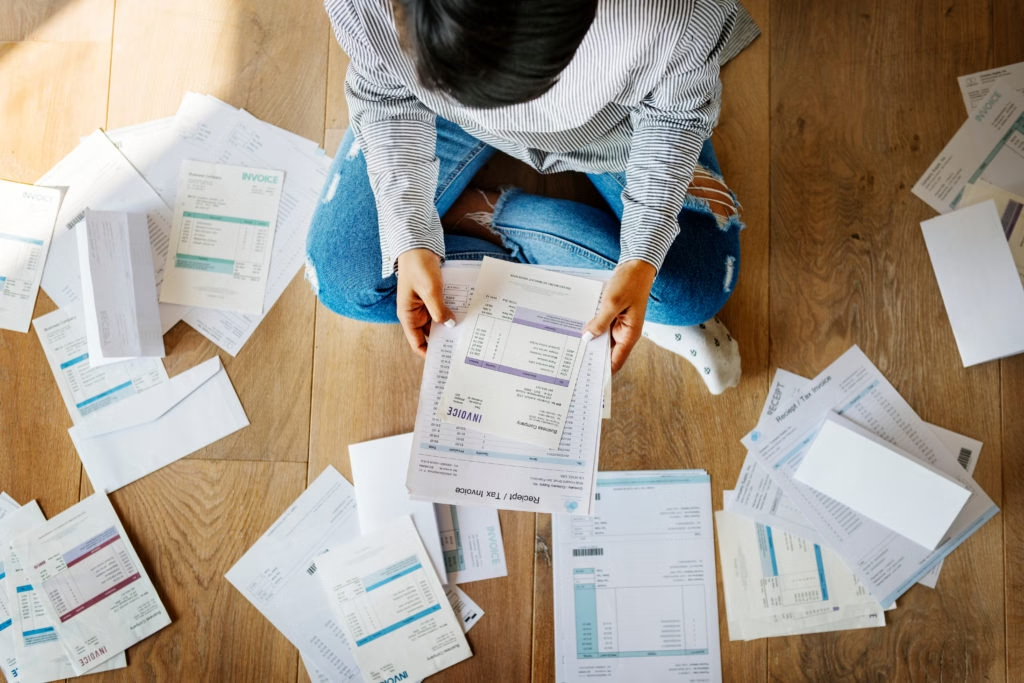
After knowing about your financial position and possibilities, it is necessary to develop a realistic repayment plan. Begin by writing down all your debts like balances, interest rates and monthly minimum payments. Then, calculate the amount you can comfortably spend on debt repayment on a monthly basis without affecting basic living costs.
The most important thing to do is to be consistent in carrying out your repayment plan. Consistent payments and adherence to the plan would not only result in the minimization of debt as time passes, but a sense of control and achievement can be developed. It is always good to keep up with your progress to stay on course and make some changes in case of some unforeseen costs.
Spending and Budgeting
Budgeting and managing your expenses is extremely important in managing a variety of debts. Monitor all your costs and realize areas where you can cut on unnecessary expenditures. The savings can be allocated towards the repayment of the debt, this way, the progress becomes faster and more effective, and no further debt is taken.
Budgeting is also useful in planning your future financial problems. The ability to set limits and adhere to them will make you develop a sustainable method of managing your finances. Your repayment plan is accompanied with a properly planned budget, which will decrease the burden of having many financial obligations at the same time.
Consulting Professional Advice
The assistance to overcome the complicated debt cases could be offered with the help of professional guidance. Licensed insolvency trustees are knowledgeable and experienced to assess your situation and suggest options that will benefit your long-term financial objectives. They are also capable of communicating with creditors and negotiating conducive terms on your behalf.
By calling a licensed insolvency trustee, you do not always have insolvency. It is an active measure to put your money back in check and make sure that you are employing the best techniques to cut off the debt. Professional assistance may guarantee calmness and the definite way to financial success.
Being Financially Disciplined
Financial discipline is crucial in keeping track of everything after you have made a plan. Do not enter into new debts with high interest rates and concentrate on establishing good financial habits. At the same time, minor routine steps, like timely payments and monitoring of costs, will make a huge difference in the long run.
Financial discipline is also concerned with looking at your budget and repayment strategy frequently to suit changes in either income or expenditure. The commitment and discipline will enable you to keep working on a problem of having a number of debts and not feel overwhelmed, finally having more financial freedom.