Running a home workshop sounds exciting. Finding 3-phase power in a neighborhood is a real headache. Most houses only have standard single-phase power.
Heavy machines like lathes and mills need more. So many hobbyists simply give up on industrial equipment.
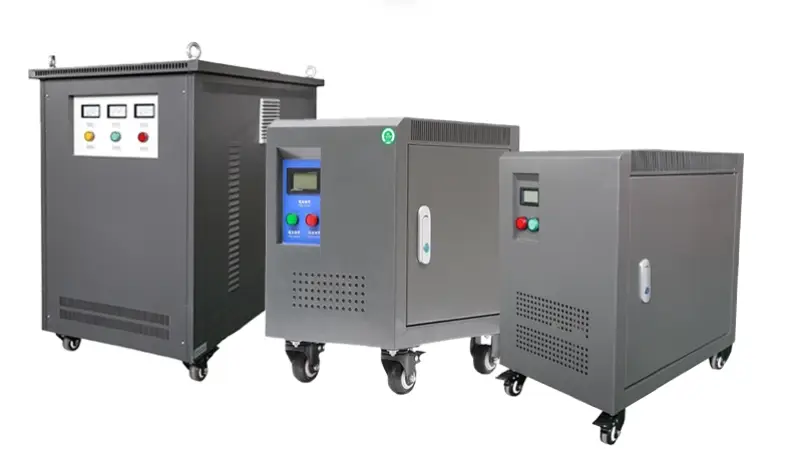
There’s a smarter option now. A single to three phase inverter acts as a bridge between your home outlet and your industrial machine. It’s affordable, compact, and surprisingly simple to set up.
You don’t need to upgrade your utility grid. You don’t need expensive electricians. Just the right inverter and basic wiring knowledge get you started.
What Is a Single to Three Phase Inverter?
Think of it like a translator. Your home speaks single-phase. Your machine speaks three-phase. This device handles their conversation.
It takes standard home electricity and converts it into three-phase output. That output powers industrial motors smoothly and efficiently.
Inside, it uses electronics to create the third phase artificially. The result feels just like real utility three-phase power to your motor.
Most modern units also include built-in motor protection features. Overcurrent, overload, and overheating protection come standard on quality models.
Why Your Workshop Needs One
A single to three phase inverter solves a real problem in home workshops. Here is how it compares to other common power options.
Compared to Grid Upgrades
Boosting your power grid can cost a fortune. You’ll have to deal with expensive permits, endless inspections, and weeks of waiting. A phase converter costs a fraction of that price.
Compared to Rotary Converters
Rotary converters are bulky and loud. They also waste energy continuously, even when your machine sits idle. Solid-state inverters only draw power when actually needed.
Space and Efficiency Wins
Modern inverters mount easily on a wall. They run quietly and consume minimal standby power. For small workshops, space and energy saving matter a lot.
Step-by-Step: How to Set Up Your Inverter
Installing an inverter is easy if you follow the right steps. Just pick the right unit, then start the setup.
Step 1: Match Voltage and HP Ratings
First, check your machine’s nameplate. Check the voltage, phase, and horsepower needs. Then, pick an inverter that matches or slightly exceeds them.
Never undersize your inverter. Running it at full capacity constantly shortens its lifespan significantly.
Choosing the Right Inverter for Your Workshop
- Choose a VFD (variable frequency drive) that supports single-phase input and three-phase output.
- Match your motor horsepower and pick an inverter with 20–30% higher capacity.
- Check voltage compatibility; most home workshops use 220V.
- Look for key features like soft start, overload protection, and speed control.
- Prefer reliable brands like Huanyang, TECO, or Delta.
- Avoid cheap, unbranded units to reduce failure and performance issues.
This format improves scanability and helps with featured snippets.
Step 2: Wiring Basics
Connect your single-phase supply to the input terminals. Then connect the output terminals directly to your motor. Always stick to the wiring diagram in the inverter manual.
Most brands mark the input and output clearly. Just make sure to double-check every connection before you flip the switch.
Step 3: Programming Parameters
Most inverters have a simple keypad interface. Set the motor’s rated frequency, voltage, and current limits there. Also, enable motor protection features like thermal overload cutoff.
These settings protect your motor during startup and operation. Take ten minutes to program them correctly from the beginning.
Top Equipment to Power
A phase converter works brilliantly across many common workshop machines. Here are the best applications for most hobbyist setups.
1. Metal Lathes run noticeably smoother with consistent three-phase power delivery. Variable speed control also helps enormously when turning different metals and materials. Finish quality improves significantly compared to single-phase motor operation.
2. Milling Machines benefit directly from stable and consistent torque delivery throughout operation. Heavy startup loads become much easier for the motor to handle safely. Vibration also reduces noticeably, which improves your overall cutting precision considerably.
3. Heavy-Duty Table Saws respond very well to inverter-driven three-phase power. Blade speed stays consistent even when cutting pressure increases significantly. Ripping hardwood becomes smoother and safer with steady power behind the blade.
4. Band Saws and Drill Presses also perform better with variable frequency control available. Adjusting blade or drill speed for different materials becomes quick and simple. Operators gain much greater control over every single cut or drilling operation.
The variable frequency drive capability inside most inverters enables precise motor speed adjustment. That precise control makes a genuine difference during detailed and delicate work sessions.

Safety and Maintenance Tips
Safety always comes before productivity in any workshop environment.
1. Grounding
Ground your frequency inverter properly and completely before first use always. Loose or missing grounding creates serious electrical shock hazards very quickly. Use a dedicated ground wire connected to a proper earthing point nearby.
2. Ventilation
Keep airflow clear around the unit at all times during operation. Overheating damages inverters faster than almost anything else combined. Clean all cooling vents monthly using short bursts of compressed air carefully.
3. Dust Protection
Workshop dust is a serious enemy of electronic components inside inverters. Stick a basic foam filter over the air intakes. Keeping it clean or swapping it out every so often will help your inverter last much longer.
4. Regular Inspections
Check all wiring terminal connections thoroughly every six months minimum. Vibration from nearby machines gradually loosens terminal screws over time. Loose connections cause localized overheating and can seriously damage both your inverter and connected motor.
5. Operating Temperature
Most inverters specify a maximum ambient operating temperature in their manual. Don’t run the unit in hot, tight spaces without air. Keeping it cool ensures it stays reliable for years.
Conclusion
A single to three phase inverter removes one of the biggest barriers in building a serious home workshop. You don’t need huge grid upgrades or messy setups to run big machines. The right inverter lets you run lathes, mills, and heavy tools right from your home outlets without any stress.
It’s easy to set up, saves you a ton of money, and works better right away. Choose the right inverter, follow the setup steps, and you are ready to upgrade your workshop to a professional level without the industrial price tag.