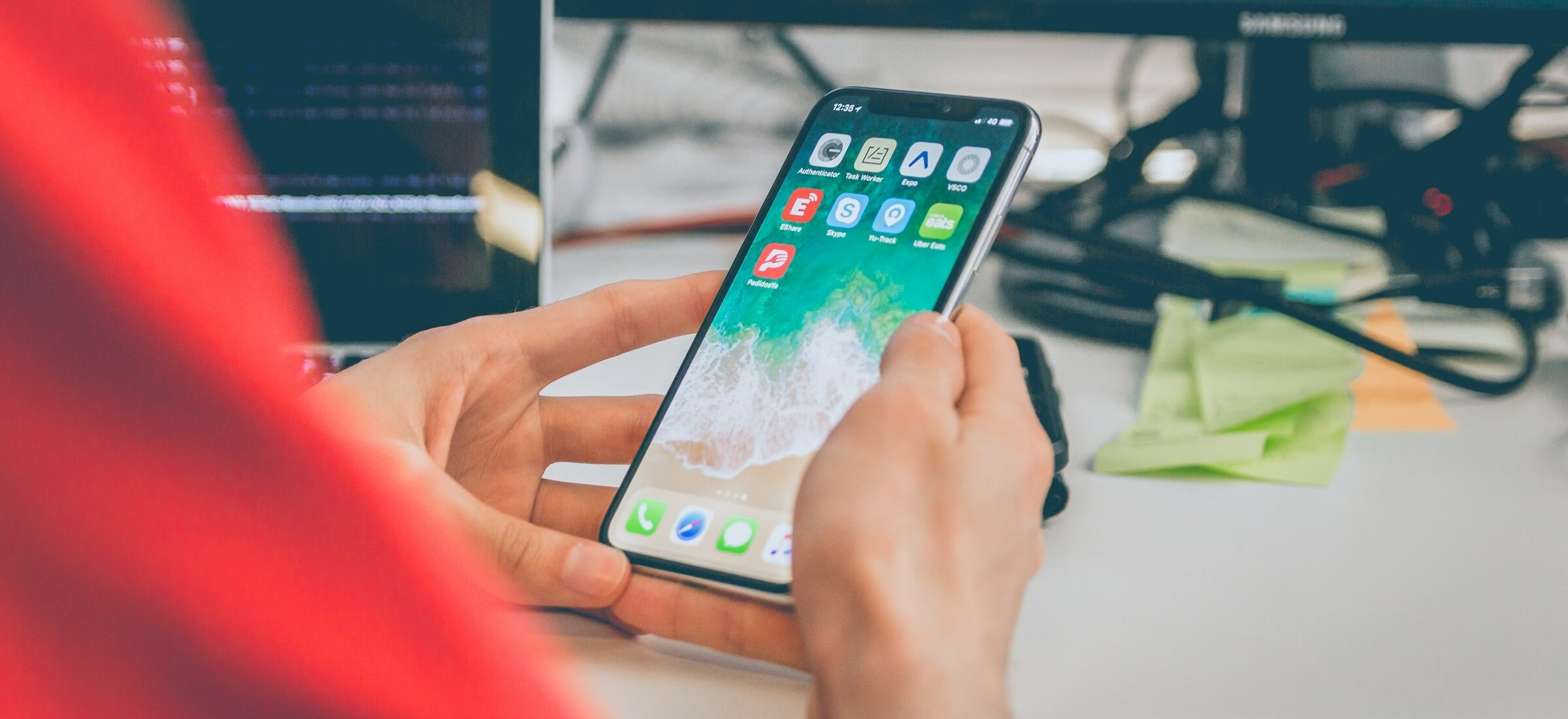
Work once lived in offices. Teams met in rooms. Files sat in cabinets. Managers walked from desk to desk. That model changed. Virtual technologies moved work into the digital space. Teams now work from home, co-working hubs, trains, and airports. A laptop and internet link connect people to projects and colleagues. Remote and hybrid work grew from this shift. Hybrid teams split time between the office and home. Remote teams work from many cities or countries. This new setup needs tools that replace office routines. Virtual platforms fill that role.
Communication Became Continuous
Communication once depended on meetings, calls, or email chains. Delays were common. Teams waited hours or days for replies. Virtual communication platforms changed this pattern. Messaging tools allow quick exchanges between coworkers. Video platforms host meetings without travel. Screen sharing allows live discussion of files and plans. A developer in one city can review code with a designer in another. A manager can run a meeting with staff across time zones. Teams now build daily habits around these platforms. Channels organize discussions by topic. Notifications signal updates. Meeting recordings allow review later. Communication no longer stops when people leave the office.
Project Management Moved to Shared Digital Boards
Project tracking was done in spreadsheets or on printed plans in many offices. Updates came during meetings. Tasks sometimes slipped through gaps. Virtual project platforms changed task tracking. Teams now manage work on shared boards and dashboards. Each task appears as a card or ticket. Managers assign tasks. Workers update progress. Deadlines stay visible to everyone. Comments sit next to the task itself. This approach builds transparency. A team member can see what others handle. Managers see progress across departments. The result is less guesswork. Work becomes visible in real time.
Time Tracking Became Structured and Traceable
Remote work raised one question for many companies: how to track work hours without physical presence. Virtual time tracking tools solved that problem. Workers log hours through apps or browser tools. The system records when work starts and ends. Companies now maintain FLSA-compliant digital logs to track labor records in distributed teams. These logs help maintain compliance and clear records for payroll and audits. This process also helps project accounting. Managers review the time spent on tasks. Billing teams convert those hours into invoices. For consulting firms and agencies, time data helps determine total annual billable hours for employees and projects. That level of visibility rarely existed in older office systems.
Document Collaboration Became Live
Office work once relied on document versions. Someone emailed a file. Another person edited it. A third person saved a new version. Virtual collaboration tools removed this cycle. Now teams edit documents together in one workspace. Multiple users write, comment, and revise at the same time. Each change appears instantly. Version history records every update. A team can restore past drafts if needed. This system saves time. It also removes confusion about which version is current. For remote teams, this shared workspace acts as a digital desk.
Bottom line
Virtual technologies reshaped how work moves across organizations. Communication, task tracking, time recording, and document editing are now available in digital systems. Remote and hybrid teams rely on these tools to stay aligned. Work flows through shared platforms rather than office routines. This shift will continue. New tools will add automation, analytics, and cross-system integration. But the core change will remain simple. Work no longer depends on a building. It depends on the connection.